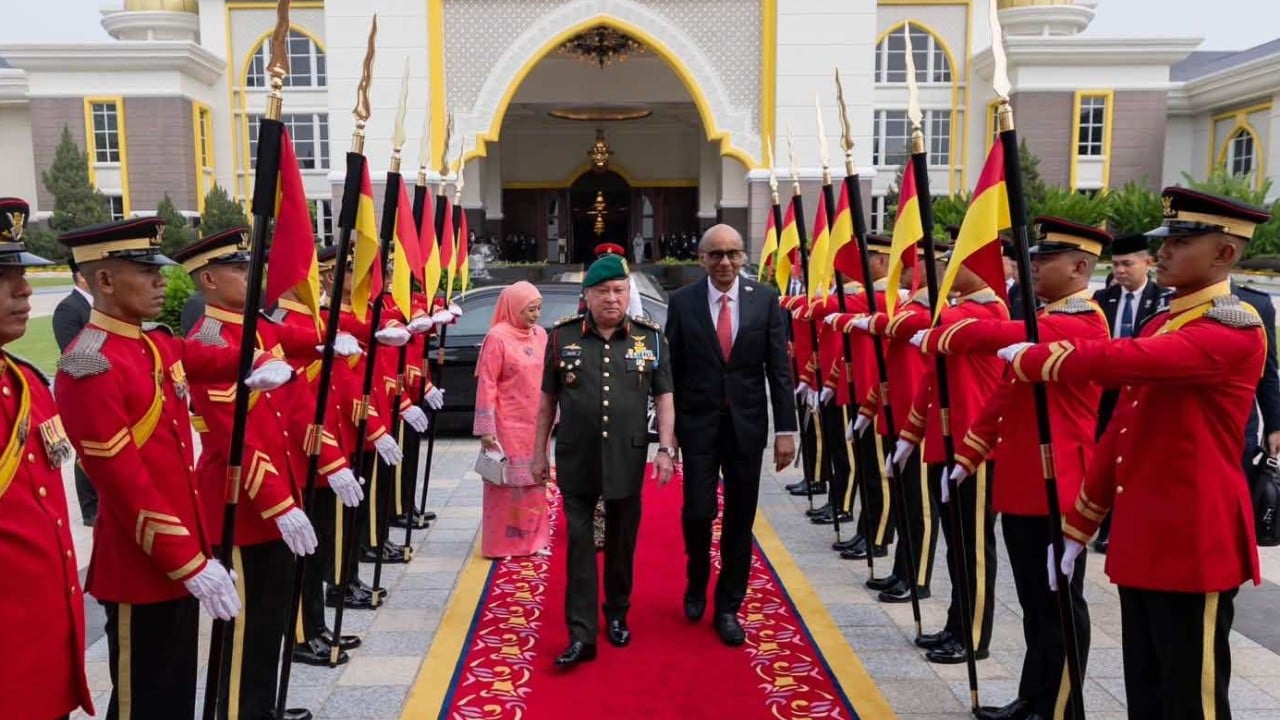
Geopolitics usually feels like a series of transactional deals or bitter feuds. But right now, something different is happening across the Johor Strait. Singapore-Malaysia relations are moving past the old historical baggage and entering what leaders call a mature era. President Tharman Shanmugaratnam’s four-day state visit to Malaysia from July 12 to 15, 2026, isn't just another ceremonial photo-op. It represents a fundamental shift in how these two neighbors deal with each other.
For decades, the narrative between Singapore and Malaysia was defined by friction. People focused on water agreements, airspace disputes, and the painful memory of the 1965 split. Today, the focus has completely shifted toward real economic integration and shared survival in a fractured global environment.
Moving Past the Baggage of 1965
If you look back at the history, the split between Singapore and Malaysia was messy and emotional. For a long time, political rhetoric on both sides capitalized on those raw nerves. But the current leadership under Singapore's President Tharman and Malaysian Prime Minister Anwar Ibrahim is taking a completely different approach.
They aren't ignoring the differences. They are dealing with them calmly. During his visit, which reciprocated Malaysian King Sultan Ibrahim’s visit to Singapore back in May 2024, Tharman openly acknowledged that close neighbors will always have sensitive issues to sort out. The difference now is the commitment to international law and quiet diplomacy over loud, nationalistic posturing.
This isn't about ignoring history. It's about outgrowing it. The bilateral trade figures show exactly why neither side can afford petty arguments anymore. Total trade between the two nations hit 402.35 billion Malaysian Ringgit (around 93.97 billion US dollars) in 2025. That is a 1.5 percent increase from the previous year. Even better, the first five months of 2026 saw trade jump by 14.5 percent compared to the same period in 2025, reaching 189.90 billion Ringgit.
Beyond the Bilateral Trade Numbers
The economic ties go deeper than just moving goods back and forth across the Causeway. The real story lies in two massive infrastructure plays: the Johor Bahru-Singapore Rapid Transit System (RTS) Link and the Johor-Singapore Special Economic Zone (JS-SEZ).
The RTS Link will change daily life for thousands of commuters who currently endure the world's busiest land border crossing. It will connect people faster and make cross-border employment vastly easier. But more importantly, it helps the younger generation build a natural familiarity with each other. They won't view the other side as a foreign rival, but as an extension of their daily economic lives.
The Special Economic Zone acts as a practical solution to a shared problem. Singapore is short on land and labor but has massive capital and global connection. Johor has space, resources, and a hungry workforce. By combining these strengths, the region becomes a much more attractive destination for global investors who are currently looking to diversify away from unstable Western or North Asian markets.
Why This New Maturity Matters to You
You might wonder why a diplomatic state visit matters to the average citizen or business owner. The answer is simple. A stable, integrated Singapore-Malaysia partnership creates economic predictability.
When the two countries cooperate, supply chains become more reliable. Food security improves, especially since Singapore relies heavily on Malaysian agriculture, and Malaysia benefits from Singaporean investments in high-tech farming and sustainability projects. During the state visit, Minister for Sustainability and the Environment Grace Fu accompanied President Tharman, signaling that green economic initiatives and resource management are top priorities for both cabinets.
This cooperative stance also protects both nations from global economic shocks. With the rise of trade protectionism and fracturing global alliances, small and mid-sized economies cannot stand alone. By joining forces, Singapore and Malaysia offer a unified value proposition to global multinational corporations.
To make the most of this changing relationship, businesses and professionals should look at cross-border opportunities now. Don't wait for the RTS Link to be fully operational to start building networks in Johor. Look into the emerging investment guidelines of the JS-SEZ, establish contacts with regional business groups like the Kuala Lumpur Business Club, and explore joint ventures that combine Singaporean capital with Malaysian scale. The era of treating the Causeway as a hard barrier is officially over.