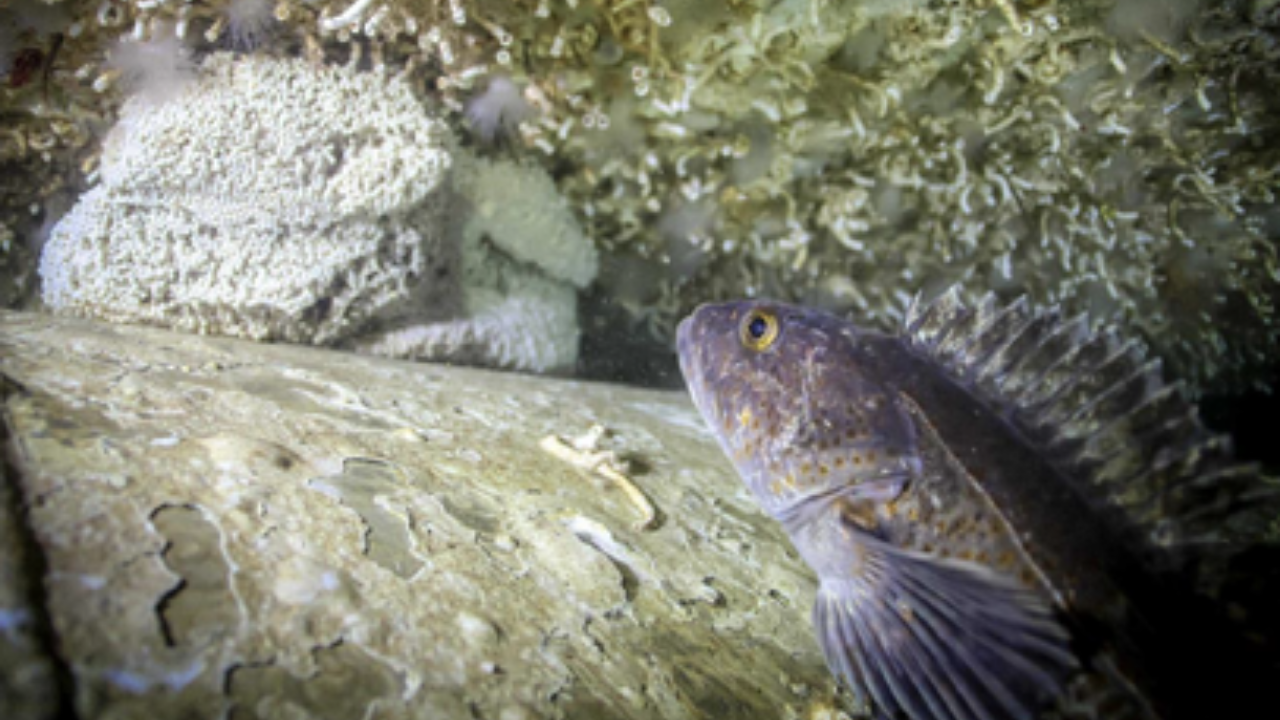
Everyone loves a good corporate or state-sponsored magic trick. Take a rusted-out hunk of naval steel, drive it out past the continental shelf, pull the plugs, and watch the greenwash write itself. In 2015, Canada did exactly that, scuttling a 113-meter destroyer off the coast of British Columbia. Five years later, breathless headlines declared that over 170 species had colonized the wreck. The conservation internet lost its collective mind.
Nature finds a way, right?
Wrong. We have fallen in love with a comforting corporate myth: that throwing our garbage into the ocean counts as ecological restoration if we slap the word artificial reef on it. I have spent decades watching governments and NGOs celebrate structural pollution while actual, complex marine biomes rot away unnoticed. We look at a rusted hull encrusted with anemones and call it a victory, ignoring the fact that we have essentially turned the seafloor into an industrial dumping ground with good PR.
The Bait and Switch of Bioproductivity
The core lie of artificial reefs is the confusion between sheer biomass and actual ecological health. Yes, if you drop a massive steel monolith into a barren, sandy desert of an ocean floor, things will grow on it. Barnacles, algae, rockfish, and starfish will arrive in droves.
Biomass accumulates. The surface area increases. The divers post gorgeous underwater photos.
Strip away the aesthetic triumph, and you find a biological trap known to fisheries scientists for decades: attraction versus production. A sunken warship does not magically create new life out of thin air. It acts as an underwater magnet, vacuuming up organisms from surrounding natural habitats and concentrating them in one convenient, highly fishable location.
Imagine building a highway diner in the middle of an empty desert. Drivers pull off because the food is there, but that does not mean the desert is suddenly producing more cattle and wheat. It is just sucking customers away from local towns. When we sink a destroyer, we are not healing the ocean. We are creating an ecological Vegas strip. Predators congregate because the prey is cornered against the steel walls. Commercial and recreational anglers swarm the coordinates because finding fish has been reduced to reading a GPS map of a graveyard.
We have optimized the slaughter, not the sanctuary.
The Toxic Legacy We Ignore
Let us talk about what lives inside these majestic steel tombs before they go down. Warships are floating chemical soup kitchens. Despite meticulous clean-up efforts, stripping a decommissioned military vessel down to its bare bones is an exercise in managed contamination.
Polychlorinated biphenyls, heavy metals, asbestos, residual fuel oils, and industrial paints do not simply vanish because a bureaucrat signed a clearance certificate. Over decades, saltwater acts as a corrosive solvent. That thriving ecosystem of 170 species? Many of them are bioaccumulating toxins leached directly from the metal carcass they call home.
We celebrate the crabs and rockfish moving into the bulkheads while ignoring the chemical cocktail bleeding into the marine food web. It is the ecological equivalent of living inside an old lead-paint factory because the rent is cheap and the pigeons keep you company.
Real conservation is messy, slow, and unglamorous. It involves protecting eelgrass meadows, fighting industrial runoff, and leaving natural rocky reefs alone so they can recover on their own terms. Sinking a warship is clean, telegenic, and utterly passive-aggressive. It lets governments check a box, wave a flag, and pretend they saved the planet while dodging the hard, expensive work of actual environmental stewardship.
Stop treating the Pacific Ocean as a disposal site for obsolete military hardware. The ocean does not need your trash, no matter how many barnacles you manage to grow on it.
Leave the ships on dry land. Clean up our mess at the source. And stop confusing a parking lot for a forest just because weeds found a crack in the pavement.