Six bids. It doesn’t sound like an avalanche, but in the context of Hong Kong's battered property sector, it feels like a definitive shift.
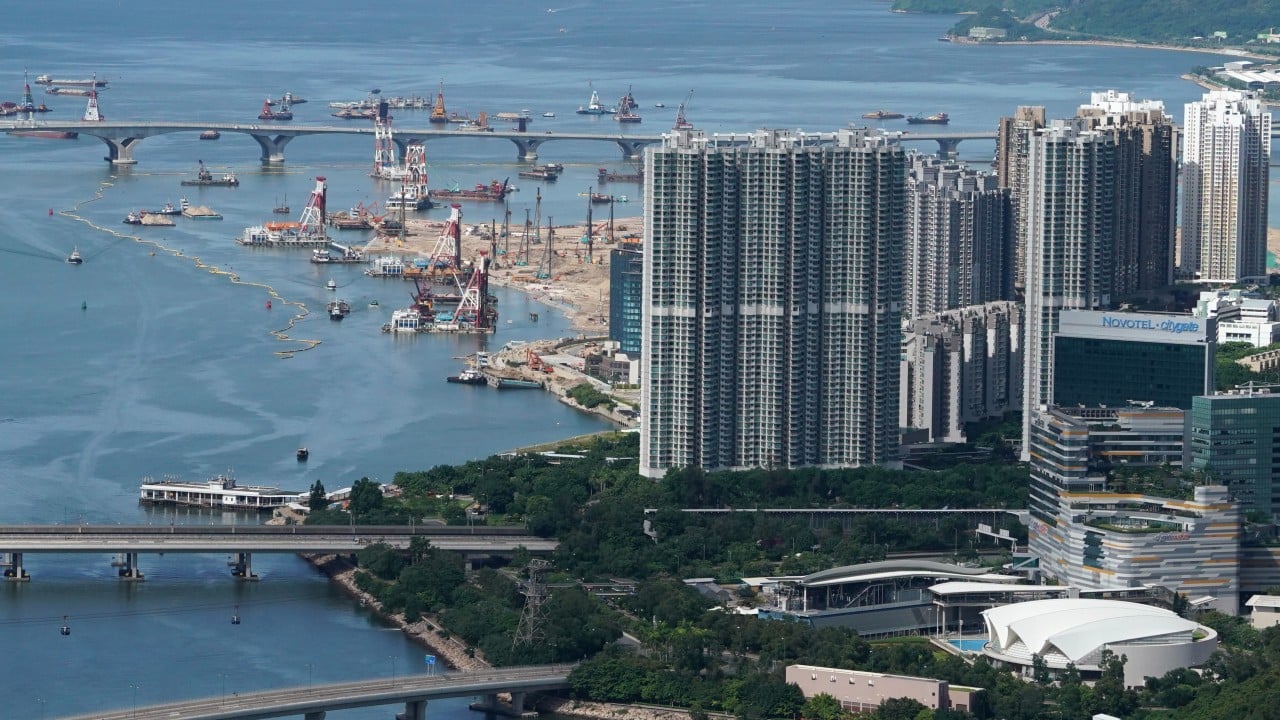
When the government closed the tender for Tung Chung Town Lot No. 54 at Area 106A, the local real estate industry breathed a collective sigh of relief. Major heavyweights showed up. Sun Hung Kai Properties threw its hat in the ring. K Wah International and China Overseas Land & Investment submitted offers. Sino Land and Kerry Properties even teamed up, forming a joint powerhouse consortium to bid on the site.
For months, the narrative surrounding Hong Kong real estate has been a monotonous drone of caution, high interest rates, and lingering inventory. Developers weren't just being careful; they were frozen. But this latest land sale tells a different story. Developers are looking past immediate market anxiety and betting on the city's long-term infrastructure play.
What Developers Actually See in Area 106A
The market valuation for this 14,152-square-meter plot sits anywhere between HK$850 million and HK$1.6 billion. That translates to a wide range of HK$1,600 to HK$3,000 per square foot. It’s not peak-market pricing, and nobody expected it to be.
What makes this plot attractive isn't a speculative price boom. It's the sheer practicality of the location.
- The Waterfront Factor: The plot sits on a prime harborfront location, offering a premium layout for the eventual units.
- Massive Yield Potential: The site can accommodate nearly 1,000 residential units with a maximum gross floor area of 49,532 square meters.
- The Transit Anchor: It will be directly served by the future Tung Chung East Station.
In Hong Kong, transit-oriented development is the closest thing to a guaranteed win. Buyers don't just want luxury; they want connectivity. By lining up for a site that relies heavily on future railway infrastructure, builders are signaling that they trust the government's long-term transit timeline. They're ready to lock up capital now because they know the end product has an integrated audience waiting for it.
The Reality Behind the Caution
Let's be completely honest about why six bids is a big deal right now. The property market hasn't magically cured itself overnight. We’re still dealing with structural shifts. The government completely pulled general commercial sites from the land sale list because office vacancy rates remain stubbornly high. Retail spending habits are changing, and luxury retail is recovering at a slow crawl.
Yet, residential space is a different beast entirely. Monthly transaction volumes across the city have been stabilizing around the 5,000-unit mark. Well-located, competitively priced projects are still seeing high sell-through rates.
Financing conditions are also moving in a direction that favors builders and buyers alike. With the benchmark 1M-HIBOR easing down to 2.28% at the end of March, mortgage stress is softening. Industry analysts project that as borrowing costs continue to level out, mass residential prices could see a 5% to 8% bump. Rental demand is surging too, fueled by a steady influx of mainland professionals and non-local students looking for housing. Developers aren't blind to these micro-trends. They realize that while the broader economy faces headwinds, the baseline hunger for quality housing remains intact.
Moving Past the Premium Slump
For the past couple of years, government land revenue was nothing short of depressing. For the entire previous fiscal year, the total land premium income generated from successful residential tenders hovered around a modest HK$8.36 billion. Out of eight listed sites, only five actually sold.
The Tung Chung turnout suggests a return of market discipline without the paralyzing fear. Builders are no longer hiding on the sidelines, nor are they aggressively overbidding like they did during the frantic upcycles of the past decade. They're making calculated, strategic entries.
We saw early signs of this shift earlier when Kerry Properties grabbed a rare plot in Shau Kei Wan for HK$1.39 billion, outbidding seven rivals. We saw it when China Overseas Land & Investment broke a five-year dry spell for mainland developers by securing a Ngau Tau Kok housing plot for HK$1.8 billion. The six bids in Tung Chung solidify this pattern. It proves that the appetite for land acquisition is healthy, provided the site offers a clear path to monetization through infrastructure or location scarcity.
Your Strategic Next Steps
If you are navigating the Hong Kong property landscape—whether as an investor, an industry professional, or a corporate observer—the Tung Chung tender provides clear signals on where to direct your focus.
First, pivot your attention toward transit-proximate assets. The developer interest in Tung Chung East confirms that proximity to future MTR nodes is the primary risk-mitigator in the current climate. Avoid speculative projects that lack concrete, government-backed infrastructure timelines.
Second, track the pricing sweet spot. Watch for the official award price of Tung Chung Town Lot No. 54. If the winning bid lands toward the higher end of the HK$1,600 to HK$3,000 per square foot valuation range, treat it as a green light that major players are willing to pay a premium for volume. If it lands on the lower end, it means developers are demanding a steep margin for risk, and you should adjust your own asset valuations accordingly.
Finally, monitor the upcoming Northern Metropolis tenders. The government’s large-scale land disposal package in the Hung Shui Kiu/Ha Tsuen New Development Area closes in July. This will be the ultimate test of developer sentiment. The Tung Chung results show that builders are willing to invest in established infrastructure extensions; the July tenders will reveal if they are equally ready to fund the city's broader, industry-led strategic expansion. Keep your capital flexible until those results clarify the true depth of institutional confidence.