The tea in the glass was still hot when the first shockwave hit, rattling the windowpanes of a kitchen in Sanaa just enough to send a tiny, dark ripple across the amber liquid.
For months, the rhythm of life in the Yemeni capital had been measured by a brutal kind of endurance. People knew the sound of the engines before they saw the silver geometry flashing against the stratosphere. They knew the particular, hollow thunder that follows an impact miles away, a sound that vibrates in the soles of your feet long before it reaches your ears.
That morning, the ledger had been violently rewritten.
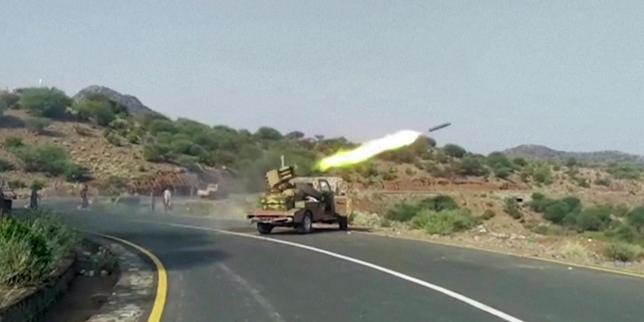
Hours earlier, high above regional waterways and desert dunes, an escalation had violently punctured the fragile status quo. A major attack orchestrated by the Houthi movement struck deep, a calculated blow that shattered military calculations and forced an immediate, devastating response. The coalition led by Saudi Arabia did not wait for dawn to answer. More than thirty separate aerial strikes ripped through the clouds, descending upon designated strongholds with unforgiving precision.
To read about it on a glowing screen thousands of miles away is to encounter rows of cold statistics. Thirty-plus sorties. Strategic assets targeted. Retaliatory measures executed. The language of military bulletins is designed to distance the reader from the impact, wrapping violence in sterile terminology that sounds like a corporate merger gone wrong.
Let us strip that away.
Imagine sitting on a concrete rooftop as the sun drops behind the jagged peaks of the mountains, watching the horizon turn the bruised color of a plum. For a civilian living under this protracted conflict, the politics are abstract, but the physics are terrifyingly personal. When thirty-plus bombing runs are authorized in direct retaliation, the shockwaves do not just strike concrete bunkers or hidden launch sites. They pass through the walls of homes where children are trying to sleep, through schools, through markets where merchants are packing away bruised tomatoes and dusty onions.
The air smells of cordite and pulverized stone.
This is the hidden cost of escalation. Every major offensive met by an overwhelming counter-offensive creates a gyre of cause and effect that swallows ordinary lives whole. The Houthi leadership launched their major strike knowing the hammer would fall. They calculated the risk, weighed the cost, and pulled the trigger anyway. In the high-stakes chess match of regional dominance, human collateral is treated as an acceptable expenditure.
But down on the ground, the math looks entirely different.
Consider what happens next in a country already brought to its knees by years of continuous warfare. Infrastructure that barely survived yesterday takes another fatal blow. Power grids flicker and die, plunging neighborhoods into absolute darkness. Water pumping stations halt their machinery because the fuel has run dry or the generator housing has collapsed under a stray projectile. The humanitarian crisis, already described by international observers as one of the worst on the planet, deepens by another notch.
We talk about geopolitical strategy as if it were a board game played by ghosts. We analyze the trajectory of drones and the strategic rationale behind airstrikes. We weigh the signaling value of a thirty-strike response against the deterrence it hopes to achieve.
Yet, deterrence is a myth whispered by people who never had to pull glass shards out of a child's shoulder.
When the smoke cleared over the targeted sectors, the silence that returned was not peace. It was the heavy, suffocating quiet of a community bracing for the inevitable next blow. Because in a war built on endless cycles of action and reaction, a massive counter-strike is never an ending. It is merely the opening chord of the next terrifying movement.
The glass of tea grew cold on the table. The electricity cut out entirely, plunging the room into the deep, velvet blackness of a city at war. Outside, somewhere in the distance, a dog barked, and the wind carried the faint, metallic scent of ash across the valley.