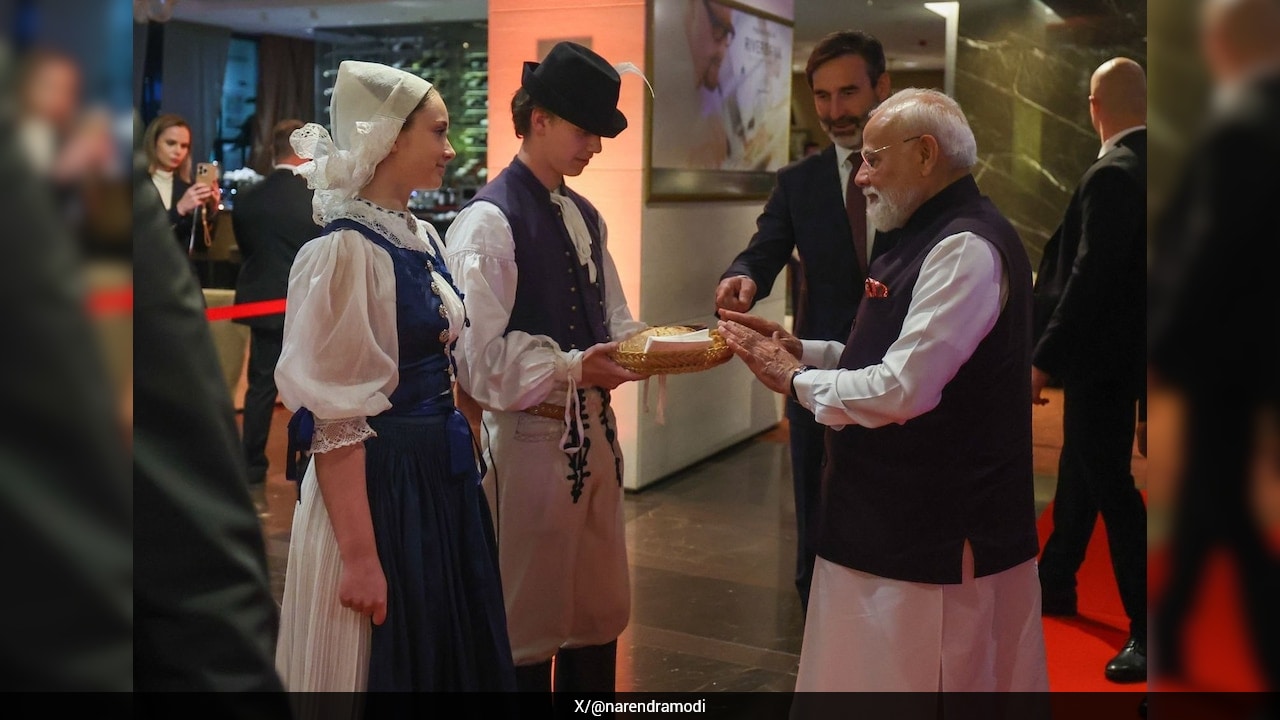
When Indian Prime Minister Narendra Modi stepped off his aircraft in Bratislava, he didn't just walk into a standard diplomatic red-carpet reception. He walked straight into a centuries-old Slavic ritual. Before the standard handshakes and bilateral meetings even started, Slovak hosts presented him with a loaf of freshly baked bread and a small well of salt.
If you are wondering why a modern European nation greets a global superpower leader with basic pantry staples, you aren't alone. It looks simple on the surface. But in Central and Eastern Europe, this isn't just a quirky hospitality trait. It is the highest cultural honor a host can bestow.
As the first Indian Prime Minister to visit Slovakia since its independence in 1993, Modi's arrival marked a major diplomatic milestone. The decision by Slovak Prime Minister Robert Fico's government to lead with the bread and salt ceremony was a calculated, deeply respectful message. Here is the real meaning behind the ritual and why it matters for international relations.
The Literal Elements Of Slavic Hospitality
To understand the gesture, you have to break down what these two elements mean to the Slavic people. This tradition, known locally in Slovakia as chlieb a soľ, dates back to the Middle Ages. It represents an unwritten pact between the host and the traveler.
- The Bread: Historically, bread is the ultimate symbol of life, sustenance, and prosperity. Offering bread means the host is willing to share their livelihood and wealth with you. It signifies a wish that the guest will never know hunger or lack.
- The Salt: Salt was once a rare commodity, used as currency and prized for its ability to preserve food and ward off spoilage. In this ritual, salt represents purity, health, and a protective shield against evil. It implies that the friendship being offered is built to last and will not decay over time.
When Slovak Foreign Minister Juraj Blanár met Modi on the tarmac, the presentation of these items meant something very specific in the language of traditional diplomacy. It said, "Our home is open to you, we share our prosperity with you, and we protect this bond with absolute sincerity."
How The Ritual Actually Works
There is a specific protocol to receiving this welcome, and it's a shared experience that creates an immediate human connection. The bread, often an intricately decorated loaf baked specifically for the occasion, sits on an embroidered textile cloth called a prostieradlo.
The guest is expected to tear off a small piece of the loaf with their fingers. They then dip that piece lightly into the salt container placed in the center or alongside the loaf before eating it. It is a communal breaking of bread right at the border.
This custom isn't reserved exclusively for visiting heads of state. If you travel through rural Slovakia or attend a traditional Slovak wedding, you will find families greeting guests at the doorway with the exact same setup. Bringing it to the airport tarmac for a state visit elevates a routine political meeting into an intimate, familial reception.
Merging Vande Mataram With Slovak Folk Culture
The welcoming ceremony went far beyond the culinary greeting. A local Slovak youth ensemble called Kopaniciarik, hailing from the Myjava region, performed traditional dances in vibrant, historic costumes.
The real surprise came when the Lucnica Ensemble, a renowned Slovak folk group, performed a rendition of Vande Mataram. The timing here was incredibly deliberate. The performance coincided with the 150th anniversary of India's national song, a detail that resonated strongly with the visiting delegation.
Modi later took to social media to highlight how these folk traditions keep a nation's history alive. For a leader who consistently emphasizes cultural pride and heritage in his own domestic policy, the Slovak strategy hit the mark perfectly. It showed that the hosts had done their homework, matching India's cultural pride with their own.
The Serious Business Behind The Ceremony
While the cultural display caught the headlines, the real substance of the three-day trip centers on major economic shifts. Slovakia is a quiet powerhouse in European manufacturing, particularly in the automotive and heavy industrial sectors.
The meetings with Prime Minister Robert Fico and President Peter Pellegrini are designed to unlock specific corporate investments.
- Automobile Manufacturing: Slovakia produces more cars per capita than any other country in the world. With India pushing hard into electric vehicle infrastructure, technology sharing between Slovak plants and Indian manufacturers is a core priority.
- Defense Production: Central Europe has become a critical hub for defense supply chains over the last few years. Joint ventures in military equipment and software development are actively on the table.
- Green Energy and AI: The two nations are looking to collaborate on sustainable technology and data innovation, building a bridge between Central European manufacturing prowess and India's massive tech workforce.
By starting the visit with an ancient symbol of protection and prosperity, Slovakia set a cooperative tone for intense commercial negotiations.
Experiencing Central European Culture For Yourself
If you want to understand the depth of Slovak hospitality beyond geopolitical headlines, the best path is to witness these folk traditions firsthand.
Plan a visit to the Myjava region during their annual summer folklore festivals, where groups like Kopaniciarik perform live. You can experience the local craftsmanship, taste traditional sourdough breads baked in wood-fired ovens, and see how historical preservation shapes modern Slovak identity. It offers a fascinating look at how a modern European nation uses its past to build its global future.