When you picture wildlife crime in the United Kingdom, you probably think of poached salmon, stolen birds of prey, or illegally dug badger setts. You don't picture someone creeping onto a windswept Devon heathland with a trowel and a plastic tub to dig up an ant nest.
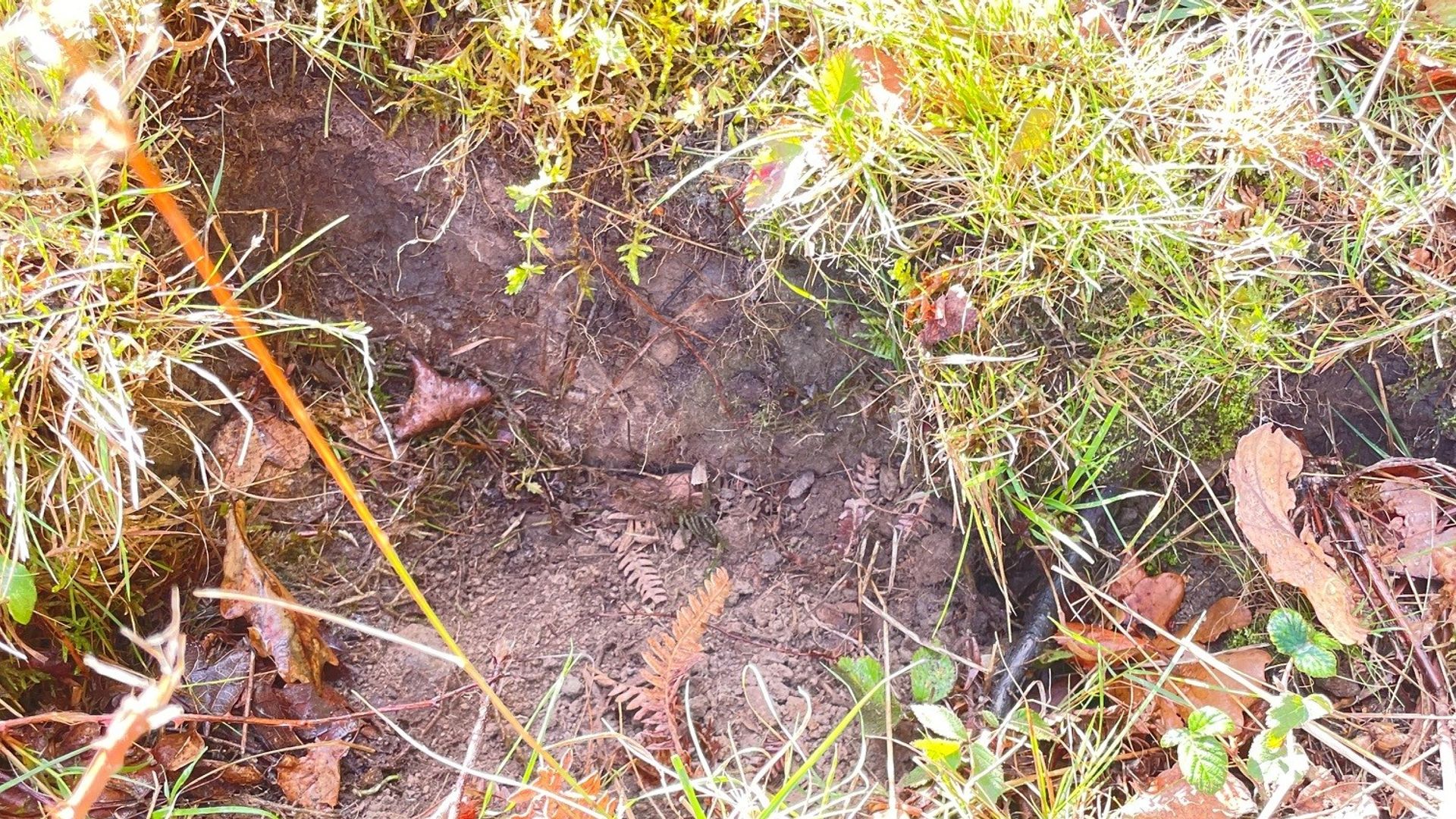
Yet that is exactly what happened. Conservationists at a Devon nature reserve discovered that an entire colony of rare ants had been dug out of the ground and stolen, leaving behind a crater in a fragile habitat and a gaping hole in a delicate local ecosystem.
To most people, an ant is something you sweep off your kitchen counter or spray on your patio. Taking a few hundred of them from the countryside sounds bizarre, almost comical. It isn't. The theft of a rare ant colony from a protected Devon site highlights a growing, weirdly lucrative underground market for exotic and native insects—and exposes just how vulnerable small invertebrates are to targeted poaching.
The Reality Behind the Devon Ant Colony Theft
Devon is one of the last strongholds in Britain for several specialized insect species. Between its coastal cliffs, ancient woodlands, and lowland heathlands, the county supports rare ants that simply cannot survive anywhere else in the country. Species like the narrow-headed ant (Formica exsecta), which relies on open, sunny heathland and specific soil temperatures, survive in tiny, isolated pockets across the southwest of England.
When thieves target a colony like this, they aren't grabbing a few worker ants for a kid's science project. Worker ants are sterile females; without a queen, a jar of workers will die off within weeks. To establish a viable captive nest or sell a colony on the black market, poachers have to dig deep into the soil or thatched mound to extract the queen—or multiple queens, depending on the species—along with the brood of eggs, larvae, and pupae.
Digging up a mature nest destroys years of biological architecture. Some rare wood ants and heathland ants build intricate subterranean chambers that regulate humidity and temperature across seasons. Ripping that open with a spade doesn't just remove the stolen insects; it collapses tunnels, exposes surviving workers to predators, and tears up surrounding flora that took decades to establish.
Worse still, many rare UK ant species have terribly low dispersal rates. Unlike common black garden ants (Lasius niger), which send out massive swarms of flying queens every summer to colonize every crack in the pavement, specialized heathland and woodland ants rarely travel far. Losing a single established nest in Devon can wipe out a local sub-population permanently.
Why Would Anyone Steal Rare Ants?
It comes down to money and obsession. Over the last decade, ant-keeping—known formally as myrmecology—has exploded from an obscure academic niche into a massive global hobby. Thousands of enthusiasts keep living ant colonies in custom-built acrylic and plaster nests called formicariums. YouTube channels dedicated to feeding and filming captive ant colonies pull in millions of views.
Most ant keepers are ethical hobbyists. They wait for summer nuptial flights, catch a newly mated queen walking across a public footpath, and raise a colony from scratch. That's standard practice and causes zero ecological harm.
Then there is the dark side of the hobby.
Rare, slow-reproducing, or geographically restricted species command high prices online. While a common garden ant queen might sell for a few pounds, a mature colony of a scarce native or European species with a fertile queen can fetch anywhere from £50 to several hundred pounds on private forums, social media groups, and unregulated online classifieds. Collectors want bragging rights. They want species their peers can't easily find in their own backyards.
Devon's specific geography makes it a prime target. Because the county hosts species found in almost no other UK locations—such as the black bog ant (Formica picea) or the narrow-headed ant—poachers know that collectors elsewhere in Britain or mainland Europe will pay a premium for them. You don't need sophisticated gear to pull off the theft. A hand shovel, a pair of aspirators (tubes used to suck up insects safely), and a few ventilated containers fit easily inside a standard hiking backpack. A thief can walk onto an unstaffed reserve early in the morning, dig out a nest in ten minutes, and walk back to their car looking like an ordinary dog walker or birdwatcher.
The Ecological Domino Effect Nobody Talks About
People often struggle to care about bugs the way they care about red squirrels or ospreys. That's a massive blind spot in how we think about conservation. Ants are ecosystem engineers. Remove a keystone ant colony from a Devon reserve, and the consequences ripple outward in ways most visitors never notice.
First, rare ants are crucial soil turners and seed dispersers. Many woodland and heathland plants rely on a process called myrmecochory—ants carry seeds back to their nests, eat the nutrient-rich outer coating, and leave the undamaged seed planted safely underground. Without those ants, certain native wildflowers struggle to spread.
Second, rare ants sit at the center of bizarre, hyper-specific food webs. Take the Large Blue butterfly (Phengaris arion), one of Britain's most famous conservation success stories, which was reintroduced to southwest England after going extinct in the UK in 1979. Large Blue caterpillars trick red ants (Myrmica sabuleti) into carrying them into their underground nests, where the caterpillars spend months feeding on ant grubs before pupating. If someone digs up or disrupts the host ant colonies on a reserve, they aren't just killing ants; they are starving out rare butterflies, beetles, and parasitic wasps that depend entirely on those specific ant nests to complete their life cycles.
Third, native red and wood ants act as natural pest controllers, consuming massive quantities of caterpillars, flies, and other invertebrates that would otherwise defoliate young trees and shrubs. They keep the entire heathland or woodland floor in balance.
What UK Law Actually Says About Insect Poaching
There is a widespread misconception that because insects are small and abundant, you can just take whatever you find in the countryside. That is flatly wrong, especially on protected land.
Under the Wildlife and Countryside Act 1981, it is illegal to intentionally kill, injure, or take certain strictly protected invertebrates, or to damage and destroy their shelters. Even where a specific ant species isn't individually listed on Schedule 5 of the Act, nature reserves in Devon carry extra layers of legal protection.
Most major reserves in the county—managed by organizations like the Devon Wildlife Trust, the RSPB, Natural England, or the National Trust—are designated as Sites of Special Scientific Interest (SSSIs), National Nature Reserves (NNRs), or Special Areas of Conservation (SACs). Under the Countryside and Rights of Way Act 2000, digging up soil, removing fauna, or damaging habitats on an SSSI without explicit written consent from Natural England is a criminal offense carrying hefty fines.
Beyond statutory conservation laws, taking wild animals or removing earth from private or charity-owned reserve land without permission falls under basic theft and criminal damage laws. Police forces across southwest England, including Devon & Cornwall Police, have dedicated Rural Affairs teams that increasingly treat wildlife crime—including rare plant and insect poaching—as serious offenses rather than minor nuisances.
Why Protecting Small Wildlife Is Harder Than Guarding Rhinos
Conservation charities face an impossible balancing act when rare species live on open-access reserves.
If a reserve puts up a big sign saying "Warning: Extremely Rare Narrow-Headed Ants Live Right Here," they might as well hand poachers a treasure map. Conservationists in Devon and across the UK routinely keep the exact GPS coordinates of rare ant mounds, orchid patches, and reptile hibernacula secret from the general public. They publish broad updates about habitat management, while staff and volunteers quietly monitor the actual nests.
Even then, reserves cover hundreds of acres of rugged terrain. Charities cannot afford 24-hour security patrols for anthills. They rely heavily on public vigilance, camera traps in high-risk zones, and the basic decency of visitors sticking to marked footpaths.
Another complication is policing the online trade. Unlike ivory or exotic reptiles, which require CITES permits and customs checks at borders, a small plastic vial containing a queen ant and twenty workers can easily slip through the domestic postal system undetected. Sellers on encrypted messaging apps or niche forums use coded language, listing rare wild-caught colonies as "captive-bred" or "rescued from garden construction" to bypass platform bans.
How Ethical Ant Keepers and Reserve Visitors Can Help
If you care about British wildlife—or if you're an ant keeper who doesn't want the hobby ruined by wildlife criminals—there are clear lines you should never cross.
- Never dig up wild nests. Raising a colony from a single queen caught during a summer nuptial flight on an urban pavement is rewarding, sustainable, and completely legal. Digging into soil, rotting logs, or moss on any heathland, woodland, or nature reserve destroys irreplaceable micro-habitats.
- Scrutinize sellers before buying. If someone online is selling a mature colony of a scarce UK species like Formica exsecta, Formica rufibarbis, or Formica pratensis, walk away. These species are notoriously difficult to breed in captivity; almost every established colony offered for sale was poached from the wild.
- Stick to marked trails on Devon reserves. Even well-meaning photographers stepping off paths to get a closer look at heathland wildlife can crush shallow subterranean ant chambers under their boots.
- Report suspicious digging immediately. If you see someone on a nature reserve with trowels, specimen tubes, or sifting trays who isn't wearing official reserve staff or volunteer identification, take note of their description and vehicle details from a safe distance. Report it directly to the reserve wardens and call the police non-emergency number (101) to ask for the Rural Affairs team, citing potential wildlife crime on a protected site.
Conservationists in Devon spend years carefully managing scrub, grazing ponies, and monitoring soil conditions just to keep fragile insect populations alive. Losing a rare colony to a greedy collector with a spade is a gut punch to everyone doing that work—and keeping these tiny ecosystems intact depends on regular visitors refusing to look the other way.