The air in early July smells of sulfur and charred sugar. It is a scent deeply woven into the American subconscious, a olfactory cue that promises celebration, summer heat, and the collective exhale of a holiday. You know the sound well. A low thud, a sharp hiss, and then the sky fractures into brilliant, temporary geometry. We gather on lawns, tailgates, and asphalt to watch the spectacle. We pull our blankets tight against the sudden drop of evening air. We look up.
But there is a parallel rhythm to this holiday, one that rarely makes it into the promotional flyers or the neighborhood group chats.
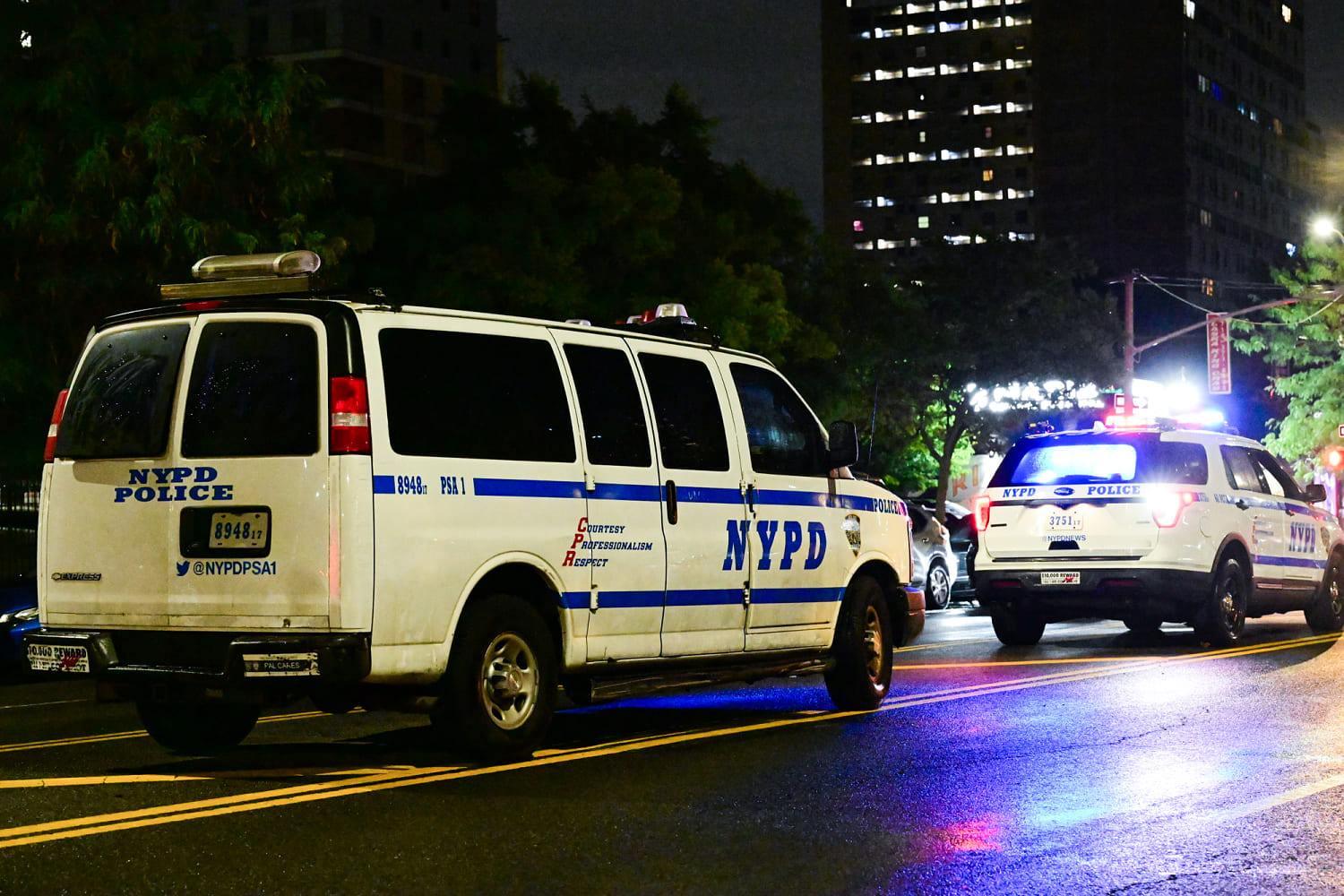
Listen closely between the booms. In that brief, heavy silence before the next shell explodes, a different reality unfolds every single year. While the sky blazes with synthetic stars, living rooms across the country turn quiet in ways that have nothing to do with awe. The flashes of red, white, and blue reflecting off windowpanes aren't always signs of celebration. Sometimes, they are the strobe lights of emergency vehicles reflecting off a neighbor’s driveway.
We have treated the casualties of our national birthday as an acceptable line item in the budget of American joy. We open the morning papers on July fifth, skim the inevitable headlines about nighttime violence and backyard mishaps, sigh at the numbers, and move on to the leftover hot dogs.
The numbers are just numbers until you stand in the emergency room.
The Anatomy of a Midnight Shift
Consider a hypothetical emergency physician named Sarah. She has worked the trauma bay in a major metro area for twelve years. For Sarah, the Fourth of July is not a holiday; it is an annual, predictable tide of human wreckage.
By 11:00 PM, the waiting room smells like beer and smoke. The cases arrive in waves, dictated by the trajectory of the sun and the consumption of alcohol. First come the minor burns—the teenagers who held sparklers just a second too long, failing to realize that the glowing wire in their hand burns at nearly two thousand degrees Fahrenheit. That is hot enough to melt glass. It liquefies skin in a heartbeat.
Then, as the night deepens, the nature of the injuries shifts.
The radio crackles. The paramedics bring in a young man who tried to relaunch a dud mortar from a cardboard tube. The device exploded at chest height. Sarah doesn't see a statistic when the gurney rolls in. She sees a shattered hand, a torn shirt, and the wide, unblinking eyes of a twenty-two-year-old who has just realized his life will never be the same. The velocity of a commercial-grade firework explosion mimics the blast dynamics of military ordnance. When it goes wrong, it doesn't just burn; it amputates. It blinds.
This isn't an isolated anomaly. It happens dozens of times in dozens of cities every single summer night. Across the nation, at least six people lost their lives in a single evening of celebratory gunfire and explosive mishaps, while scores of others filled trauma centers with life-altering injuries.
We call these incidents accidents. That word feels inadequate. An accident implies an unpredictable convergence of chaotic forces. What happens every July is entirely predictable. It is structural. We mix high-grade explosives, mass gatherings, alcohol, and firearms, and then we act surprised when the equation yields blood.
When the Celebration Turns Inward
The danger of the holiday isn't confined to the backyard enthusiasts who misjudge a fuse. There is a darker, more volatile current that runs through the midsummer heat.
Think about the atmosphere of a crowded city block on a humid July night. The air is thick. The noise is relentless. For hours, the distinction between a commercial firecracker and a small-caliber handgun becomes dangerously blurred. The sharp crack of a nine-millimeter blends seamlessly into the staccato rhythm of a firework finale.
This acoustic camouflage creates a strange, perilous environment. People gather on porches, children play on sidewalks, all under the assumption that the noise surrounding them is entirely festive. But celebratory gunfire is a uniquely American delusion. Every bullet fired into the air must obey the laws of physics. It ascends, slows, turns, and falls back to earth with enough terminal velocity to penetrate human skulls.
In the chaos of the noise, the realization of danger arrives too late.
Imagine a family sitting on a stoop, watching the distant city display. A sudden thud, a cry, and a child collapses. The parents look around, confused, searching the sky for a stray firework casing, only to realize the wound is clean, deep, and quiet. The shooter may be three blocks away, firing into the dark in a moment of chemically induced euphoria, entirely unaware that their celebration just became another family's permanent mourning.
The statistics tell us that dozens were wounded in shootings that erupted alongside the holiday festivities this year. But a statistic cannot capture the sound of a mother screaming on a linoleum floor while a surgeon tries to locate a stray round. It cannot capture the sudden, violent erasure of a future.
The Disconnect of the Morning After
Why do we look away so quickly?
Perhaps it is because the contrast is too sharp to bear. The Fourth of July is wrapped in the mythology of freedom, community, and the easy days of midsummer. Admitting that this weekend is consistently one of the deadliest periods of the year feels like an admission of national failure. It forces us to confront uncomfortable truths about our relationship with violence, our casual disregard for safety when alcohol is involved, and our deep-seated need for spectacle.
We compartmentalize the tragedy. We tell ourselves that the victims were reckless, that they didn't know how to handle the equipment, or that they were simply in the wrong place at the wrong time. We blame the individuals to absolve the culture.
But the line between the safe spectator and the casualty is devastatingly thin. A sudden gust of wind can alter the trajectory of a Roman candle. A manufacturing defect can cause a mortar to detonate instantly inside its tube. A stray bullet doesn't care if you are an innocent bystander or a participant in the madness.
The real tragedy lies in the repetition. We know exactly what will happen next July. The stores will open, the tents will pop up in parking lots, the coolers will be packed, and the trauma bays will clear their schedules in anticipation of the rush. We are locked in a loop of predictable grief.
The sun comes up on the fifth of July, revealing streets littered with grey ash, red paper casings, and plastic cups. The smoke clears slowly from the riverbanks and the parks. In thousands of homes, people wake up to the routine of a normal summer day.
But in six specific homes, the silence is total. The bedrooms belong to people who were alive twenty-four hours ago, who perhaps spent the morning marinating meat or buying ice, completely unaware that the night would demand their lives. Their shoes sit by the door. Their phones buzz with unread texts from friends asking if they made it home okay.
In the hospital down the street, a young man looks down at a heavily bandaged forearm, trying to comprehend how a three-second thrill managed to erase a decade of plans. The room is sterile, quiet, and smelling faintly of antiseptic, a stark contrast to the sulfur and smoke of the night before.
We will continue to watch the sky. We will continue to cheer at the bright lights and the loud noises. But until we confront the human cost of the spectacle, the true color of the holiday will always be the stain left behind on the pavement long after the sparks have gone dark.