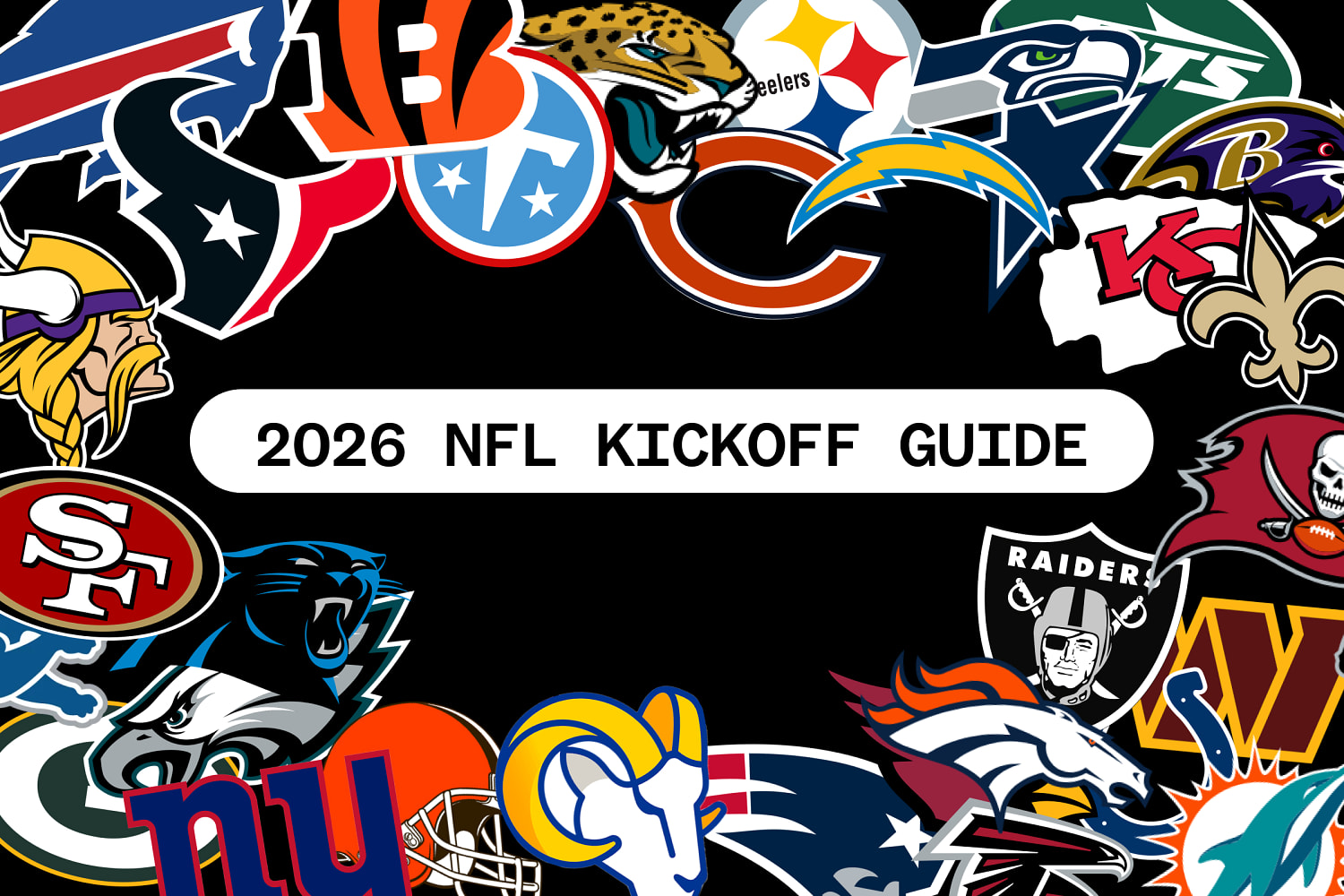
Autumn smells like woodsmoke, damp grass, and desperation. If you stand near the tunnel of any NFL stadium about twenty minutes before kickoff, the air thickens with a very specific kind of electricity. It is the sound of metal cleats clicking on polished concrete. It is the deep, chest-rattling bass of twenty thousand people screaming into a void that only football can fill.
We watch because we are searching for mirrors.
Every single Sunday from September to February, millions of us sit on sagging couches, leaning forward, hands wrapped around mugs of coffee or cold cans of beer, waiting for a team to save our week. We study the depth charts. We argue about play-calling efficiency. We track offensive line snap counts like they are stock tickers. But beneath the numbers lies a raw, messy human drama.
Consider a hypothetical fan named Marcus, sitting in a living room in Chicago, staring at a television screen as his team faces a third-and-long with forty seconds left on the clock. Marcus is thirty-four. He works forty-five hours a week at a logistics firm. His back hurts when it rains. Yet, in this exact moment, his entire nervous system is wired directly into the right arm of a twenty-four-year-old quarterback standing fifty yards away from a wall of hostile linebackers.
Why do we care so much?
Football is the ultimate modern mythology. It gives us heroes with flaws, villains with rings, and scripts written by chaos. This season, the narratives are sharper than ever. The old guard is fading, their knees creaking under the weight of a decade of hits. A new wave of dual-threat playmakers is tearing up defensive schemes that coordinators spent twenty years perfecting.
Take the reigning offenses dominating the early portion of this NFL season. They are not running the playbook of our childhoods. The huddle is dying. Coaches are calling plays with the frantic speed of stock traders on a frantic trading floor. They use pre-snap motion not just for window dressing, but as a diagnostic tool, forcing linebackers to reveal their coverages like poker players blinking under bright lights.
Think about what happens on a single pass play.
The ball snaps. Time compresses. The quarterback drops back, feeling the invisible weight of three-hundred-pound defensive tackles collapsing the pocket. He has roughly 2.5 seconds to make a life-altering decision. Does he check it down to the running back for a safe four yards, or does he trust a second-year wide receiver running a deep crossing route against a Cover-3 safety?
In that fraction of a second, years of grueling practice, film study until three in the morning, ice baths, surgery scars, and mental exhaustion converge. Success isn't just about athletic talent. It is about spatial awareness in the middle of absolute carnage.
We project our own resilience onto these players. When a running back takes a brutal helmet-to-helmet collision, pops back up, and immediately slaps his teammate's helmet, we feel a strange, ancestral surge of validation. If he can get up from that, maybe we can drag ourselves out of bed for Monday morning's commute.
The economics of the game have shifted, too, but fans rarely care about salary caps until their favorite franchise lets a star receiver walk in free agency. That is when the front office becomes the villain. We obsess over general managers the way our grandparents obsessed over mayors. We want stability. We want a franchise quarterback locked into a ten-year deal that guarantees relevancy, or at least hope, for a decade.
Yet hope is a fragile commodity in this league.
One torn ACL can turn a Super Bowl contender into a dumpster fire by October. One blown coaching assignment can ruin a career. The margin between glory and oblivion is measured in blades of grass.
Watch the sidelines. Look at the head coach with his laminated play-sheet pressed against his lips, speaking into a headset while his face turns the color of a winter turnip. He knows his job security depends on the whims of nineteen-year-olds and twenty-two-year-olds who are exhausted and bruised. He is managing million-dollar egos while trying to trick a defensive coordinator who spent sixty hours watching his tendencies on a glowing iPad.
This is what makes the NFL season an endurance test for everyone involved. For the players, it is physical ruin paid for in generational wealth. For the fans, it is an emotional roller coaster that demands three hours of absolute attention every single week, followed by six days of surgical dissection on sports talk radio and group chats.
We keep coming back because the ending is never written until the clock reads zeros.
As the weather turns colder and the playoff race tightens, the stakes shift from hypothetical projections to hard reality. Division leads shrink. Fumbles in the freezing rain become legendary. Careers are defined by single throws in January.
The stadium lights cut through the December dusk, casting long, dramatic shadows across the turf as the kicker lines up for a forty-five-yard field goal with the wind swirling off the lake, and the entire world outside those concrete walls simply ceases to exist.