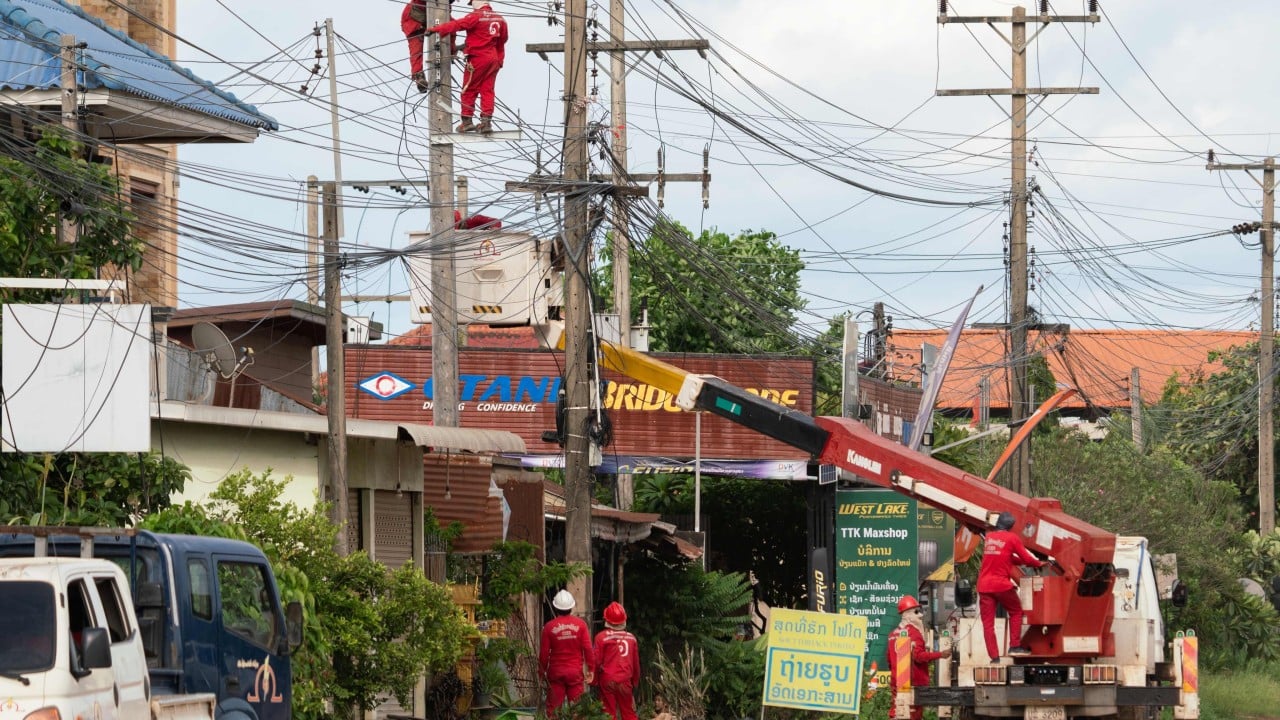
Air conditioning units are humming overtime, factories are churning out goods at a breakneck pace, and data centers are cropping up across tropical capitals. Power demand in Southeast Asia is surging at roughly 5.4 percent annually, putting the region on a collision course with a severe energy security crisis.
When the International Energy Agency flagged this vulnerability in its recent assessment, it wasn't just talking about rolling blackouts. It pointed to a deeper structural trap. The region is leaning heavily on imported fossil fuels just as its appetite for electricity hits historic highs. If you think this is just a local headache, look closer. Supply chains tied directly to global manufacturing depend on these exact power grids staying online.
What's Driving the Insatiable Hunger for Power
Three major forces are colliding right now. Industrial expansion across nations like Vietnam, Indonesia, and Malaysia is the most obvious culprit. Factories shifting out of other regions need steady, heavy-duty power supplies.
Then you have the climate reality. Rising average temperatures mean cooling demand is skyrocketing. Air conditioning isn't a luxury anymore; it's basic infrastructure. When a heatwave hits Bangkok, Jakarta, or Manila, the grid feels the strain immediately.
Add in the digital boom. Tech giants are scattering data centers across Southeast Asia to capture regional growth. These facilities run 24/7, consuming as much electricity as small towns. Traditional grids simply weren't designed for this kind of concentrated, uninterrupted load.
The Import Trap and Fossil Fuel Vulnerability
Many emerging economies in the region built their rapid growth on coal and imported gas. That worked fine when fossil fuel prices were stable. Now, geopolitical shocks and volatile global markets make that reliance an expensive gamble.
When global diesel or liquefied natural gas prices spike, import-dependent nations bleed foreign reserves. Governments are forced to choose between subsidizing power bills for citizens or watching industrial output stall. It's a lose-lose scenario that drains national budgets and leaves energy systems exposed to external shocks.
Why Renewable Energy Integration Is Moving Too Slow
Everyone agrees that solar and wind are part of the answer, but scaling them up brings its own headaches. Intermittent generation collides with archaic grid infrastructure. Transmission lines are outdated. Storage capacity is lagging behind generation targets.
Without robust grid upgrades and battery storage, pumping more intermittent solar into the system risks localized instability. Power gets wasted because the lines can't handle the load, or worse, sudden drops cause system trips.
Governments are waking up to this bottleneck, but bureaucracy and high upfront capital costs slow down the transition. Decentralized rooftop solar has picked up some slack as homes and small businesses take matters into their own hands, yet heavy industry still needs massive, centralized baseload power.
Practical Steps Forward for the Region
Fixing this mess requires a hard pivot in policy and capital allocation. Regional power integration, such as cross-border grid sharing under initiatives like the ASEAN Power Grid, needs to move past endless committee meetings. If surplus hydropower from Laos can balance daytime solar peaks in Singapore or Malaysia, everyone wins.
At the corporate level, industrial players can no longer treat energy as a plug-and-forget utility expense. Energy audits, on-site microgrids, and direct corporate power purchase agreements for renewables are becoming survival requirements rather than green marketing checkboxes.
Southeast Asia holds immense economic potential, but that momentum stalls out the moment the lights go out. Securing the region's energy future demands immediate capital poured into smart grids, domestic renewables, and storage, before demand completely outpaces reality.