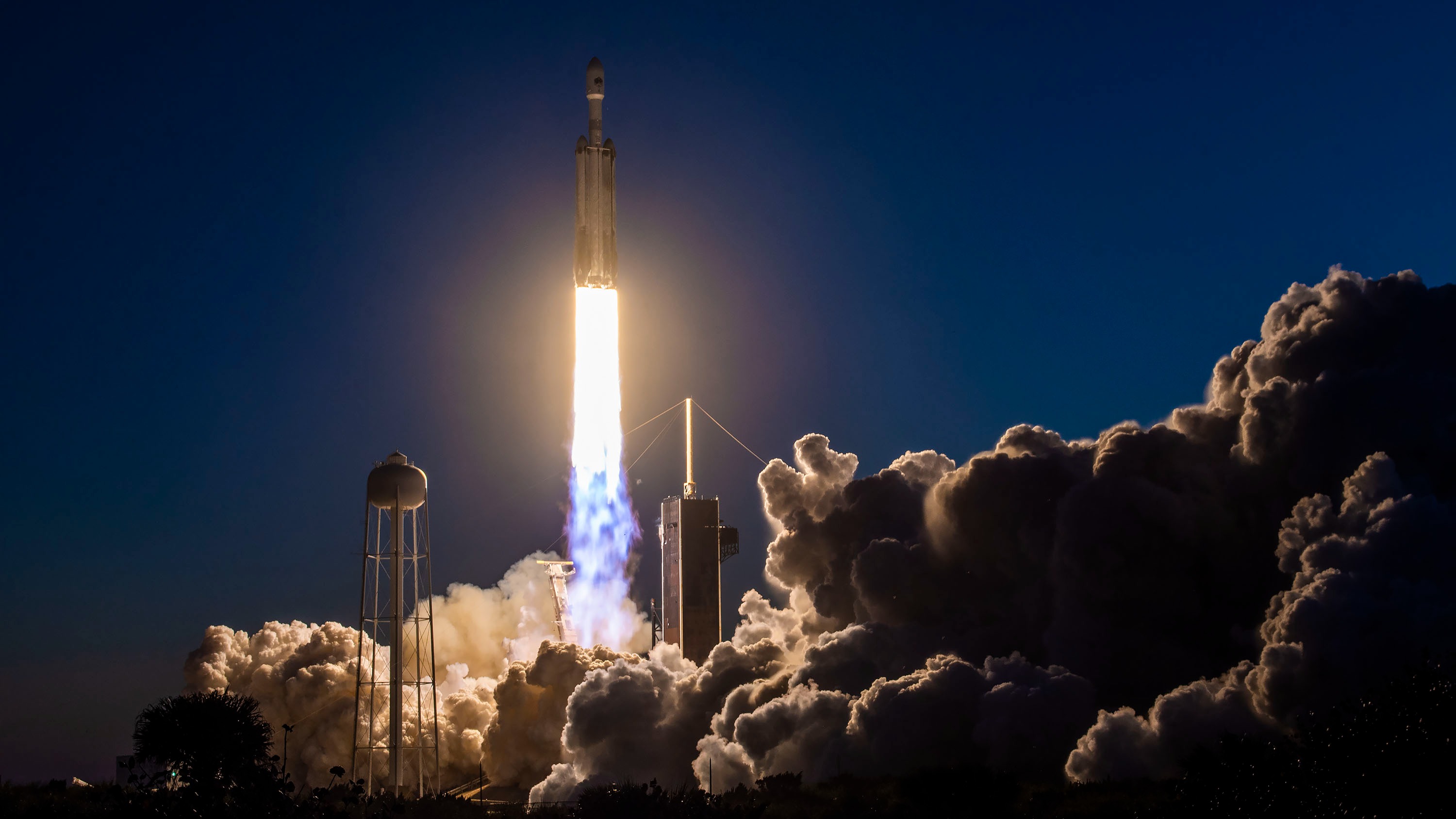
Credit markets are starting to sweat over SpaceX, and for good reason. Behind the dazzling rocket launches and the routine booster catches sits a quiet, aggressive corporate borrowing spree that has rating agencies and bondholders recalculating risk. Elon Musk's aerospace juggernaut is no longer just a heavily capitalized private startup experimenting with government payloads. It has transformed into a capital-intensive infrastructure behemoth pouring tens of billions of dollars into unproven orbital architectures, global satellite constellations, and heavy manufacturing facilities before those assets can reliably pay for themselves.
Wall Street treats debt differently when it belongs to a monopoly launching classified military hardware versus a firm attempting to commercialize interplanetary transport and low-Earth-orbit broadband all at once. The core anxiety centers on liquidity burn matched against revenue visibility. Starlink is generating real cash flow, certainly, but the capital expenditure required to keep that constellation refreshed, scale ground station networks, and support millions of consumer terminals eats up the margins almost as fast as they print. When you layer an unprecedented rocket development program on top of that operational overhead, the math stops looking like a traditional tech company and starts looking like a 19th-century railroad trust—except the tracks are being laid in the vacuum of space. Discover more on a similar issue: this related article.
The Capital Expenditure Trap
Space exploration is a brutal treadmill of upfront expenditure with delayed cash realization. Historically, aerospace firms insulated themselves from catastrophic credit risk by relying on massive, guaranteed cost-plus government contracts that transferred financial liability onto the taxpayer. SpaceX flipped that script by using fixed-price commercial contracts, internal equity funding, and a famously lean manufacturing philosophy that built rockets in tents and iterated through explosions.
That scrappy operational model worked when the Falcon 9 was the primary vehicle and cash was cheap. It hits a structural wall when building Starship. Further reporting by MarketWatch delves into similar views on this issue.
Starship is not an incremental upgrade; it is an entirely new paradigm of heavy-lift capability meant to replace the entire existing fleet while simultaneously funding a Martian colony. Every prototype welded together at Starbase, every orbital test flight that ends in a fiery disintegration over the Gulf of Mexico, and every multi-acre manufacturing plant constructed from scratch represents immense capital outlay. The debt markets absorbed these expenditures comfortably during periods of low interest rates. Now, with cost of capital remaining elevated across the global economy, lenders want to see a direct line of sight to debt reduction. Instead, they see borrowing increasing to fund a launch cadence that must scale exponentially just to break even.
To understand why credit risk is rising, look at the composition of SpaceX's recent financial maneuvers. Private placements, secured credit facilities, and leveraged notes have been utilized to keep the liquidity pipeline full. When a private corporation of this magnitude leans heavily on debt markets, it signals that internal cash generation from commercial satellite internet and launch services is insufficient to cover the grand vision.
Starlink Economics and the Rural Broadband Gamble
Starlink is often cited as the ultimate financial firewall. Hundreds of thousands of maritime vessels, commercial airlines, remote communities, and consumer households pay monthly subscription fees for high-speed internet beamed from the sky. The revenue is recurring, sticky, and growing.
Yet the unit economics of a massive satellite constellation carry hidden liabilities. Satellites in low-Earth orbit experience severe atmospheric drag. They have a design lifespan of roughly five years, meaning the constellation must constantly be replenished with fresh hardware just to maintain current capacity.
This creates a treadmill of perpetual manufacturing and launch costs. If demand stalls, or if regulatory hurdles delay market expansion in key international territories, the fixed costs of maintaining thousands of active satellites remain static. Furthermore, the ground hardware—the user terminals shipped to consumers—has historically been subsidized heavily by SpaceX to drive adoption. Selling hardware below manufacturing cost while absorbing the R&D bill for next-generation terminal chips creates a persistent cash drain that subscription revenue must aggressively chase.
Bondholders are starting to model worst-case scenarios where subscriber growth plateaus against rising competition from terrestrial 5G home internet and rival low-Earth-orbit constellations backed by telecom conglomerates. If ARPU (Average Revenue Per User) faces downward pressure, the debt service obligations become a heavy anchor on corporate agility.
The Government Subsidy Lifeline and Geopolitical Exposure
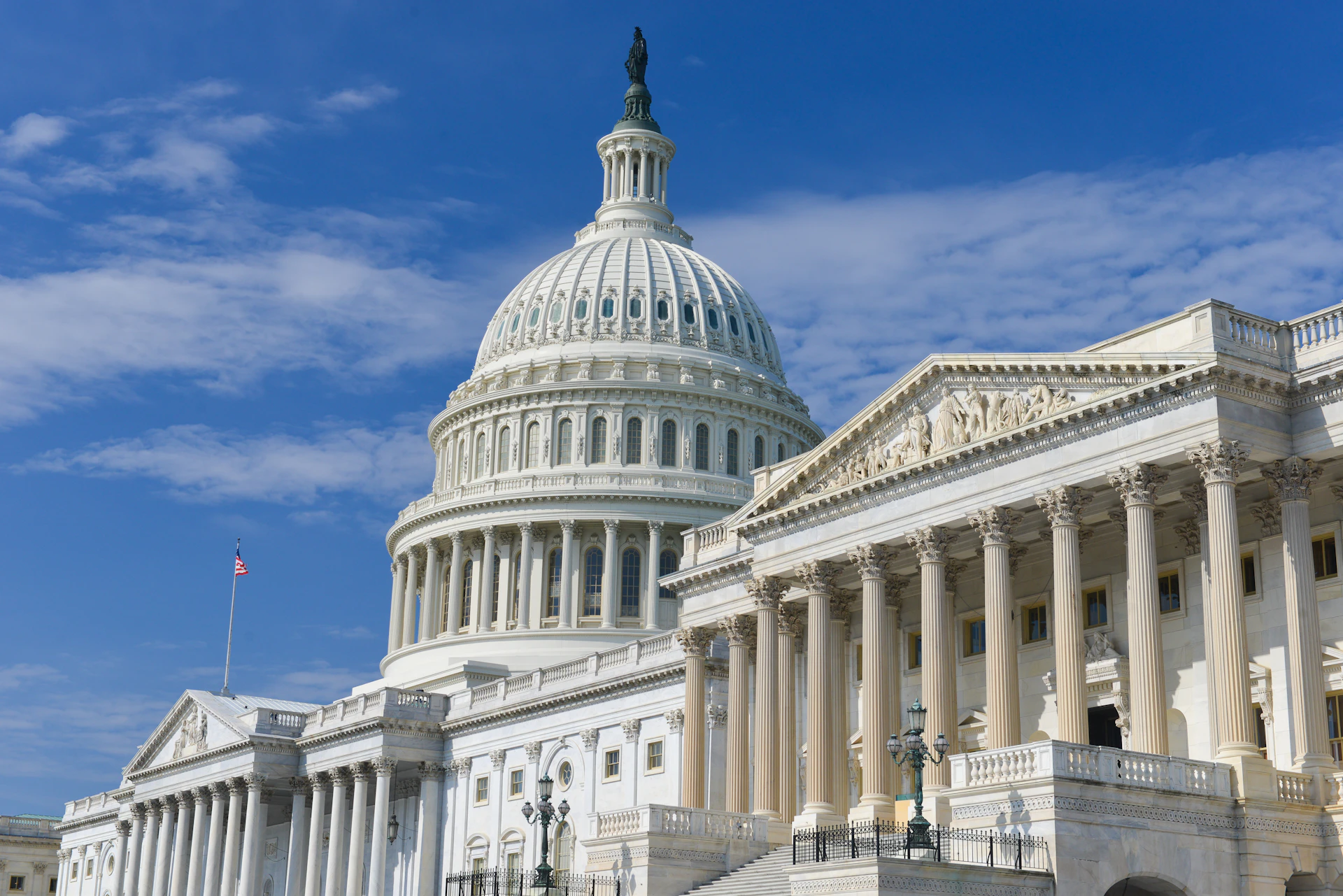
SpaceX operates with a massive structural advantage that separates it from standard corporate debtors: it is functionally indispensable to United States national security and NASA’s civil space ambitions.
National reconnaissance payloads, military communications, and astronaut transport to the International Space Station rely almost entirely on Falcon 9 and Falcon Heavy. This creates an implicit sovereign backstop. The federal government cannot afford to let SpaceX fail financially because there is no domestic backup ready to step in if liquidity dries up.
However, leaning on government dependency introduces its own form of credit risk. Political shifts, budgetary stalemates in Washington, or defense procurement overhauls can alter cash flow projections overnight. If a future administration decides to renegotiate launch manifest pricing or delay Artemis program milestones, the projected revenue streams that lenders used to justify corporate borrowing could face sudden compression.
At the same time, the regulatory landscape governing international Starlink operations is growing more complex. Sovereign nations are increasingly wary of foreign-owned satellite constellations operating within their borders without strict local data routing or licensing agreements. Every country that bans or restricts Starlink narrows the addressable market, directly impacting the top-line growth required to service high-yield debt obligations.
Rethinking the Private Valuation Bubble
The tension in SpaceX’s credit profile reflects a broader reckoning across the tech and aerospace sectors regarding capital discipline. Private market valuations have long operated under the assumption that growth justifies any amount of cash burn, provided the total addressable market is large enough.
SpaceX’s market is theoretically limitless—it spans global telecommunications, defense logistics, orbital delivery, and deep-space transport. But debt markets do not trade in total addressable markets; they trade in cash flow timing and collateral quality.
When credit default swaps or secondary private share sales hint at rising risk premiums, it exposes the friction between visionary ambition and financial gravity. Elon Musk has never shied away from high-stakes gambles, often stating that bankruptcy was a hair's breadth away during the early days of both SpaceX and Tesla. But scaling a multi-hundred-billion-dollar enterprise requires navigating financial realities that differ fundamentally from managing a scrappy startup.
The borrowing spree is a calculated wager. If Starship achieves rapid, fully reusable flight status, launch costs will plummet to levels that render all global competition obsolete, opening up industrial-scale manufacturing and resource extraction in space. If the development timeline drags on, or if technical hurdles prove insurmountable within current capital constraints, the weight of the debt could force defensive restructuring or a premature public offering under unfavorable market conditions.
The rockets will keep launching, but the ledger behind them is facing its most demanding flight test yet.