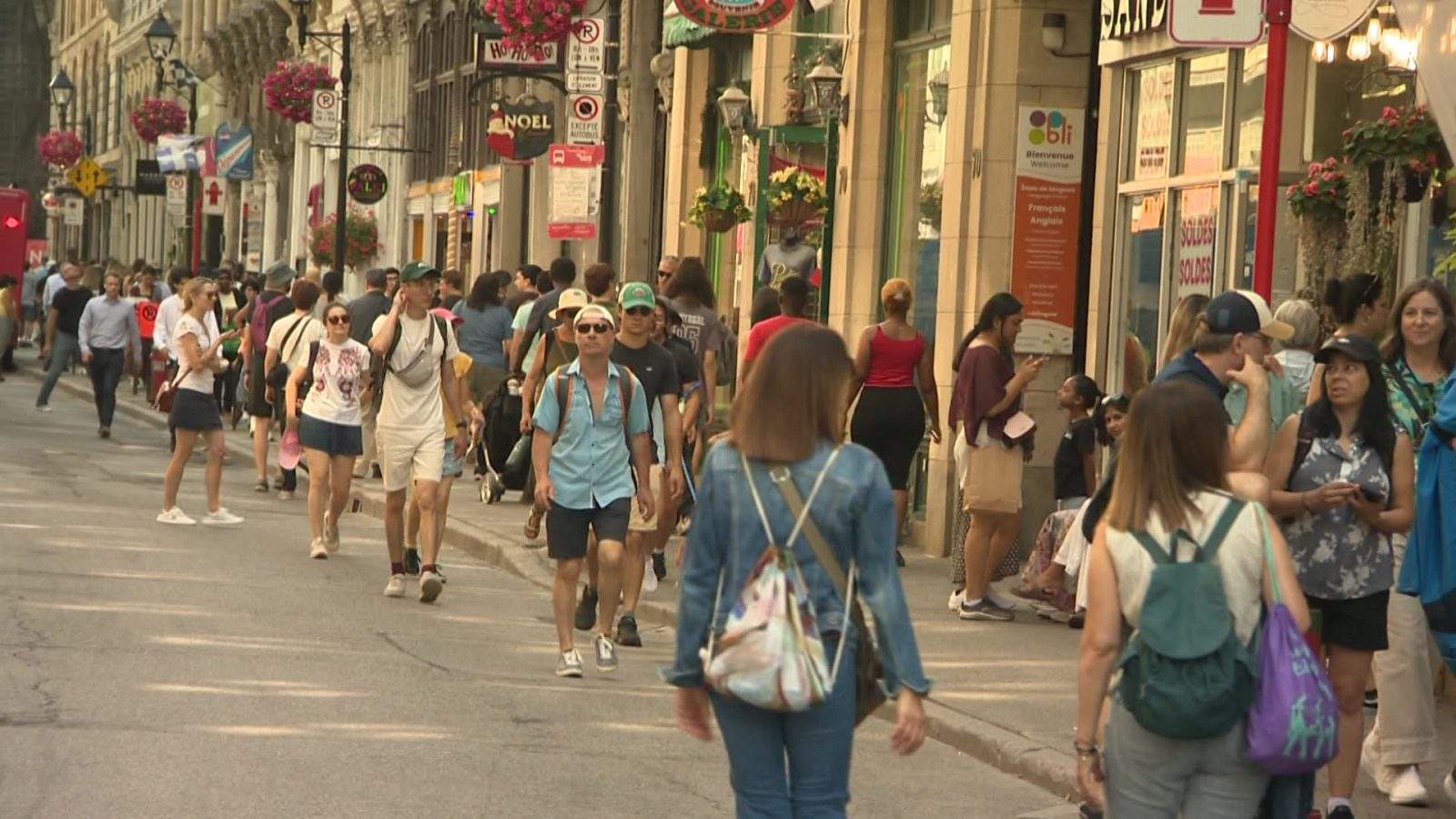
If you think you can walk into a Spanish bar, order a round of tinto de verano, and coast through your holiday without a care, you are in for a nasty surprise. Spain is cracking down hard on tourism management, and local bars, restaurants, and hotels are caught in the crossfire of aggressive new regulatory enforcement. British holidaymakers accustomed to a laissez-faire Mediterranean getaway are finding themselves facing steep financial penalties over minor oversights.
The pressure isn't just theoretical. Local councils across hotspot destinations like the Costa del Sol, Mallorca, and Ibiza are wielding enforcement powers with zero patience for clueless visitors. If you are heading to Spain this year, you need to understand how these sweeping mandates change your daily routine, or you might fund a local municipal budget by accident.
The Real Cost of Stricter Hospitality Mandates
Spain welcomed an astonishing volume of international visitors recently, pushing local infrastructure to its absolute limit. Residents aren't hiding their frustration over mass tourism, and regional governments are responding by passing stringent operational controls on hospitality venues.
Venues that step out of line face astronomical penalties, which means business owners are passing compliance stress directly onto customers. Under sweeping regulations like Royal Decree 933/2021, accommodation providers and tourism operators must harvest and transmit massive blocks of personal data directly to the Ministry of Interior. We are talking about dozens of data points per guest, stretching from home addresses to banking details and specific relationships between travelers.
If you check into an apartment or hotel and refuse to cooperate with these intrusive identity checks, venues are legally mandated to turn you away. They can't afford the alternative. Non-compliant businesses risk administrative penalties scaling up to €30,000. That kind of exposure turns every local tavern owner into an anxious bureaucrat.
Public Consumption and Behavioral Crackdowns
It is not just what happens inside the doors of a licensed venue. The crackdown extends straight onto the terrace and out into the street. Popular regions have updated municipal bylaws targeting public drinking and rowdy behavior with immediate, heavy-handed fines.
Drinking alcohol outside designated zones or stepping off a beach terrace with a plastic cup can trigger fines ranging from €500 to €3,000. Local police are not giving verbal warnings anymore. They issue on-the-spot paperwork, and ignoring it won't make it disappear once you cross back through UK border control.
Venues themselves are facing strict operating hour constraints and limits on alcohol promotions. Forget about booking an all-inclusive hotel package expecting an open-ended flood of cheap drinks. Many areas cap guests at a strict maximum of six alcoholic drinks per day, split evenly between lunch and dinner slots. Happy hours, two-for-one drink specials, and automated pub crawls are actively being outlawed or heavily penalized.
The Bottle Deposit Scheme Complication
If you prefer buying your drinks at local supermarkets or grabbing a quick beverage to go, a fresh administrative hurdle is rolling out nationwide. Spain is implementing a bottle and can return system across retail shops, bars, and restaurants.
Customers now encounter a supplementary returnable deposit fee added to bottled and canned drinks at checkout. While you get that money back, it requires you to physically return containers to designated automated collection points or original retail locations. For tourists staying in short-term lets without a car or living far from a drop-off machine, it is a frustrating extra chore that catches many people off guard.
Protecting Your Trip From Costly Penalties
Navigating these shifts requires absolute preparation. Do not assume standard holiday routines from five years ago still apply.
- Keep your documentation bulletproof: Carry physical or easily accessible digital copies of your accommodation bookings and return travel. Border agents and property managers are checking credentials more aggressively than ever.
- Respect local public drinking boundaries: Never assume you can walk down a public street or sit on a beach after dark with an open container of alcohol. Stick to licensed indoor areas or authorized outdoor terraces.
- Expect slower check-ins: Because hotels and rental managers have to log extensive personal data under strict government oversight, expect queues at reception to take twice as long. Have your passport details and personal info ready to go.
- Watch the alcohol caps: If you booked an all-inclusive resort package, check the fine print regarding daily drink limits before you start ordering.
Keep your wits about you, read the fine print of your bookings, and don't let a stray administrative rule turn your dream Mediterranean holiday into an expensive legal headache.