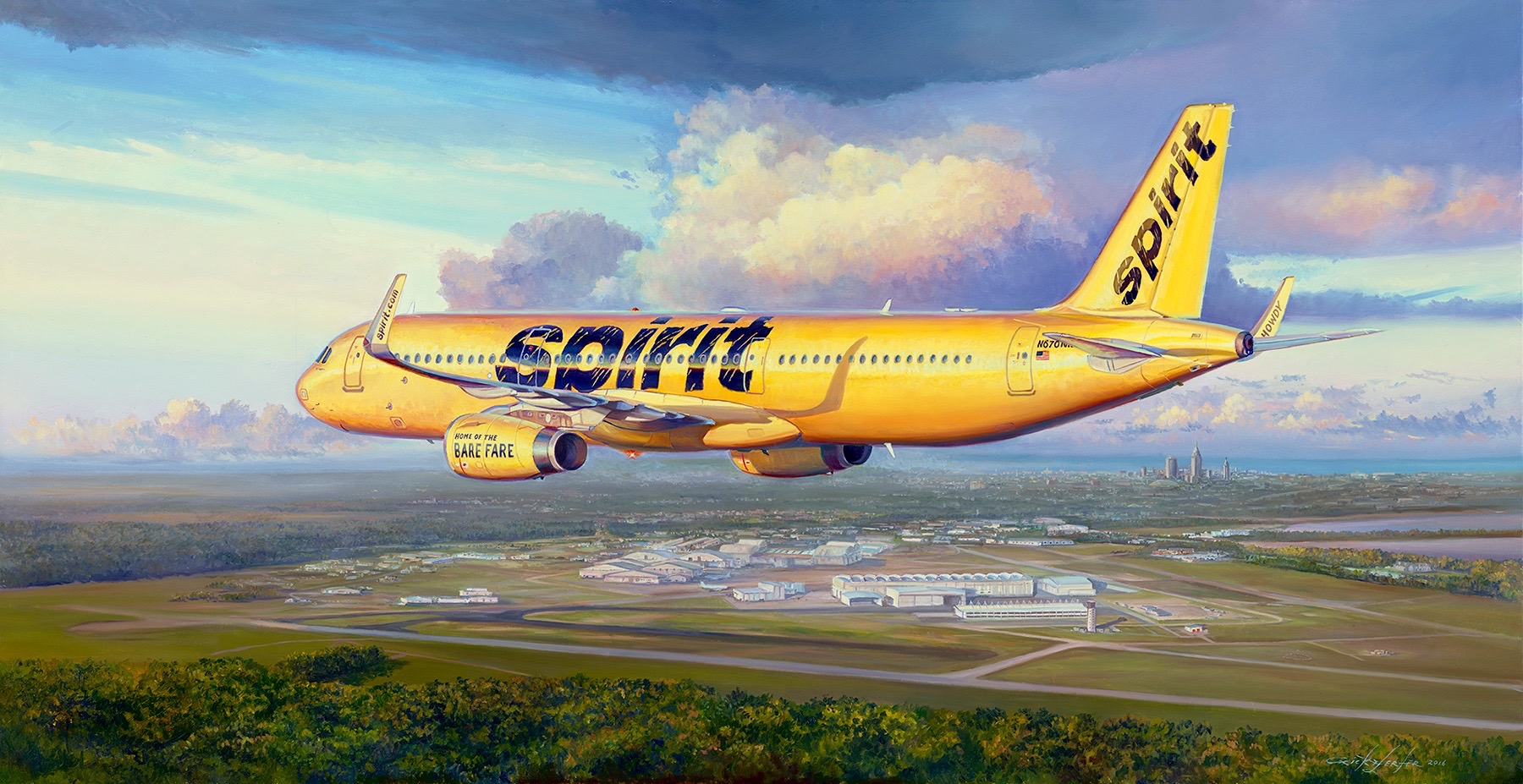
The headlines are dripping with the kind of corporate sentimentality that keeps bad businesses on life support. "U.S. May Extend $500 Million in Rescue Funding to Spirit Airlines." It sounds like a lifeline. It sounds like a strategic move to preserve "competition" in a thinning sky. It’s actually a half-billion-dollar donation to a pyre.
Washington is preparing to treat a fundamental business model failure as a temporary liquidity crisis. It isn't. Spirit Airlines is not a victim of bad luck; it is a victim of a market that has finally matured past the "Greyhound with wings" era. Injecting taxpayer-backed capital into this hollowed-out hull won't save a single long-term job. It will only delay the inevitable while enriching the very creditors who should be taking the haircut. Don't forget to check out our previous post on this related article.
The Competition Myth
Pundits love to scream about "budget options" disappearing. They argue that without Spirit, the "Big Four" carriers will immediately jack up prices to the moon. This logic is decades old and ignores the current reality of revenue management.
Low-cost carriers (LCCs) like Spirit served a purpose when the majors—Delta, United, American—were bloated and inefficient. Today, the majors have mastered the "Basic Economy" segment. They have the scale to price-match Spirit on every route that matters while offering a product that doesn't feel like a punishment. Spirit's competitive edge wasn't a lower cost structure; it was a lower standard of dignity. Now that the majors can offer the same price with a functioning app and a seat that doesn't feel like a plastic park bench, Spirit's reason for existing has vanished. To read more about the background here, The Motley Fool offers an in-depth breakdown.
Why Five Hundred Million is a Rounding Error
Let’s look at the math that the "rescue" advocates are ignoring. Spirit’s debt load is a mountain. We are talking about billions in maturities looming like a storm front. A $500 million infusion is the equivalent of trying to stop a hemorrhaging artery with a decorative Band-Aid.
In the airline business, cash burn is a monster that never sleeps. Between Pratt & Whitney engine issues grounding a chunk of their neo fleet and the collapse of the JetBlue merger, Spirit is bleeding out. That $500 million will be consumed by interest payments and operational overhead before the ink on the check is dry. It doesn't fund innovation. It doesn't buy new planes. It buys time for executives to polish their resumes.
The Moral Hazard of "Too Budget to Fail"
We’ve entered a dangerous era where we believe every major employer deserves a government-backed mulligan. By signaling a potential rescue, the government is distorting the market. It prevents the healthy "creative destruction" that capitalism requires to remain efficient.
If Spirit fails, those planes don't vanish. Those slots at LaGuardia and O'Hare don't evaporate. They get liquidated. They get bought by carriers with better balance sheets and more sustainable strategies. A bankruptcy isn't the end of the world; it's the beginning of a better allocation of resources. Keeping Spirit on a government-funded drip prevents a more competent airline from taking those resources and actually serving the public.
The Engine Problem Nobody Mentions
The competitor articles mention the "GTF engine issues" as if it’s a temporary snag. It’s a systemic disaster. The Pratt & Whitney Geared Turbofan (GTF) issues have forced Spirit to ground dozens of aircraft.
When your entire business model depends on high utilization—meaning those planes need to be in the air 12 hours a day—having a significant portion of your fleet rotting on the tarmac is a death sentence. Spirit isn't just fighting a bad economy; they are fighting physics and supply chain rot. No amount of Treasury Department intervention fixes a cracked turbine blade or a three-year backlog in engine parts.
Stop Asking if We Need Spirit
The question isn't whether Spirit is "needed." The question is whether their current structure is viable. It isn't. The ultra-low-cost carrier (ULCC) model in the United States is broken. It relied on cheap fuel, cheap labor, and a consumer who was willing to tolerate misery for a $39 fare.
Fuel is no longer cheap. Labor costs for pilots and flight attendants have spiked as unions rightfully demanded their share of the post-pandemic recovery. And the consumer? The consumer has grown up. They want WiFi. They want a reliable schedule. They want to know that if their flight is canceled, the airline has more than one alternative flight three days later.
The Brutal Truth for Investors
If you are holding Spirit stock hoping for a "government bounce," you are the mark. Every dollar of "rescue" funding will be structured as senior debt. It sits at the front of the line. The common shareholder is already at zero; they just haven't realized it yet. This $500 million isn't a bridge to prosperity. It’s a bridge to a Chapter 11 filing where the government and the secured lenders carve up the remains.
The Strategy of Surrender
What should Spirit do? They should stop begging for scraps and start the liquidation process now while they still have some leverage. Sell the slots. Sell the gates. Pivot to a boutique regional model if they must. But the dream of being a national ULCC powerhouse is dead.
We are witnessing the final gasps of a business model that was built for a different world. Pumping taxpayer money into Spirit is a betrayal of the taxpayer and a misunderstanding of the industry. Let the market do its job.
Let the airline die so something better can take its place.


