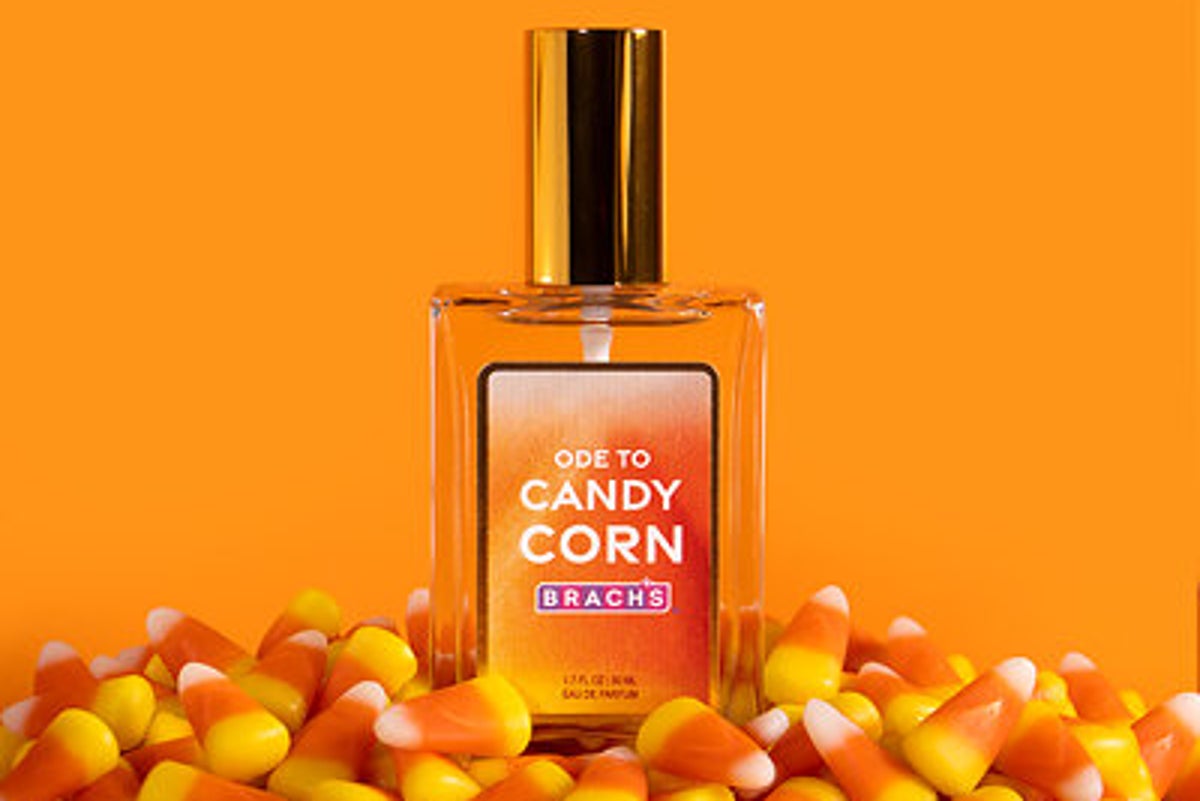
The fragrance industry loves a gimmick. Marketing departments sit in glass boxes, look at a calendar, see late October approaching, and instantly panic. They think the consumer wants to smell like damp earth, burnt sugar, and a novelty store fog machine. Brands rush out limited-edition bottles labeled as Halloween in a bottle, betting that novelty will override good taste.
It is a terrible strategy. Meanwhile, you can read similar stories here: Princess Diana and the Million-Dollar Weaponization of Silk.
I have watched brands spend millions on seasonal novelties that sit on clearance shelves by November first, gathering dust next to unsold plastic skeletons. The lazy consensus in beauty journalism is that seasonal novelty drives engagement, that people want literal translations of holidays slapped onto their pulse points.
They are wrong. Nobody actually wants to walk around smelling like an aisle of discount candy corn and wet pavement. To understand the bigger picture, we recommend the recent analysis by Glamour.
To understand why this seasonal perfume trend fails, we need to look past the marketing hype and examine how olfaction actually works in human psychology.
The Fallacy of Literal Translation
Perfume is abstraction, not illustration. The moment a fragrance house tries to recreate a literal experience—like a haunted hayride or a bowl of melted chocolate—it stops being perfumery and starts being ambient room spray.
A well-crafted scent relies on tension. It needs contrast between dark and light, sweet and dry, clean and dirty. A literal Halloween perfume usually abandons tension entirely in favor of a sledgehammer of ethyl maltol and synthetic smoke notes. It is sweet enough to induce a migraine, layered with a synthetic campfire note that smells less like a crisp autumn evening and more like an electrical fire in an industrial warehouse.
When you wear a literal novelty scent, you cease to be a person making a distinct aesthetic choice. You become a walking advertisement for a holiday. You smell like a theme park queue.
The Chemistry of Atmospheric Scent
Real autumn atmosphere is subtle. It is geosmin rising from wet soil after a cold rain. It is dry cedarwood, fallen leaves undergoing slow decomposition, and the sharp bite of dropping temperatures.
Synthetic perfumery can capture these elements, but it requires restraint. When mainstream houses target the Halloween demographic, restraint is the first casualty. They dial up the concentration of high-impact aroma chemicals because they assume the wearer wants to project across a crowded party room.
The result is olfactory saturation. Instead of inviting people closer, an aggressive novelty scent creates a defensive perimeter. People take a step back. They do not think you smell mysterious or spooky. They think you spilled a pumpkin spice latte on your jacket and forgot to wash it.
What You Should Do Instead
If you want an autumnal signature that actually commands respect, stop looking for products marketed around October 31st. Look for structural depth.
You want notes that mimic the season without mimicking a costume. Seek out vetiver for that dry, rooty earthiness. Look for rich amber, tobacco leaf, and black pepper. These ingredients give you the warmth and darkness of the season without turning you into a walking novelty gag.
Wear a fragrance that makes people wonder what you are up to, not one that spells it out for them in neon letters. Real style does not need a costume change.
Stop buying the marketing trap. Leave the liquid plastic pumpkins on the shelf where they belong.


