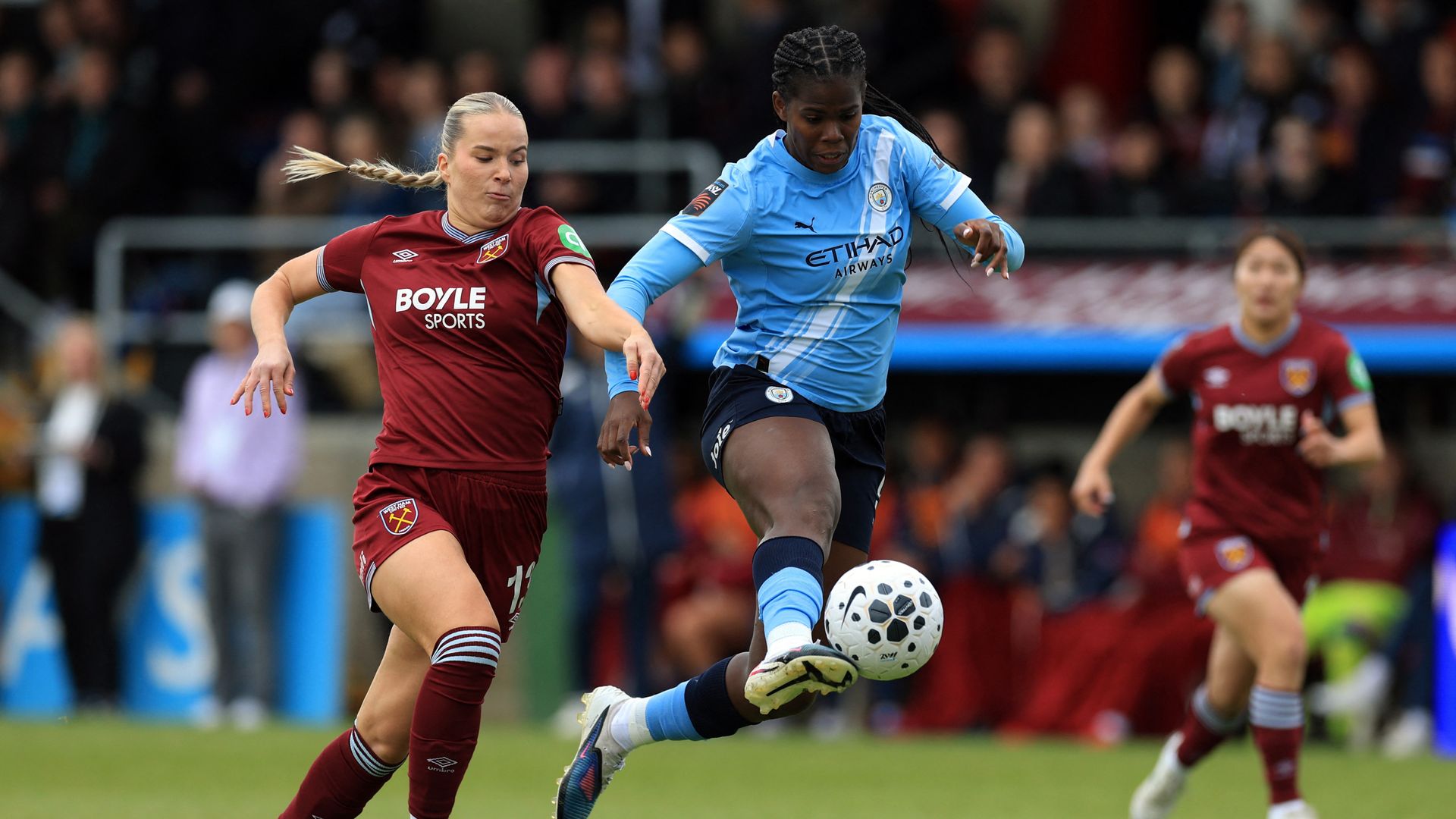
The lazy media consensus around David Sullivan and the stalled sale of West Ham’s women’s team is predictably surface-level.
Every tabloid headline follows the exact same script: Sullivan’s regime is in crisis, ownership is stalling progress, and the decision to pause equity talks in West Ham United Women is a disaster for women's football in East London. The narrative paints Sullivan as a tight-fisted villain dragging the team backward while the rest of the Women's Super League accelerates into a bright, hyper-capitalized future.
That takeaway is completely wrong.
When you look at the cold, hard mechanics of football finance, stalling this specific transaction is the single most rational move West Ham could make right now.
The Flawed Premise of the "Standalone" Women's Ownership Model
Mainstream football reporting treats private equity infusion into women's teams like a magic cure-all. Bring in a slick American investment fund, spin the women’s team off into a separate corporate entity, and watch the cash flow in.
I have watched club executives burn millions chasing this exact dream, only to hit a structural brick wall.
The standalone private equity model for WSL clubs is deeply flawed. When you carve a women's side out from the men's operational ecosystem, you cut off the very life support system that makes the club viable: shared training infrastructure, integrated commercial sponsorship packages, and global broadcast leverage.
Imagine a scenario where a minority investor buys 30% of a women’s side with grand promises of capital injection. What happens when the women's side needs to negotiate a shirt deal? A standalone women’s team pulling in 3,000 fans a game gets pennies on the dollar compared to an integrated package sold alongside a Premier League men's brand.
By pulling back on minority sale talks, West Ham avoids diluting their asset at the bottom of the market valuation cycle.
David Sullivan Isn't Stalling Out of Neglect; He's Waiting Out the Market
Let's strip away the emotional outrage and talk about valuation multiples.
Right now, the financial model for top-tier women's football in England is undergoing a massive structural shift. The creation of NewCo—the club-owned entity taking over the running of the WSL and Women's Championship from the FA—is changing the revenue-sharing landscape completely. Commercial rights, global streaming deals, and central distribution mechanisms are being rewritten in real time.
Selling a stake in West Ham Women today, while the NewCo revenue distribution mechanics are still settling, would be gross financial incompetence.
- Under-valuation risk: Selling a stake prior to new, centralized media rights deals locks in a depressed valuation.
- Governance friction: Bringing in external private equity partners creates instant friction over who funds operational deficits.
- Loss of control: Minority investors want high returns fast; building a sustainable football academy and recruitment pathway takes years of quiet, loss-making patience.
Critics call it a crisis. In corporate finance, it's called strategic patience.
The Truth About WSL Sustainability
People constantly ask: "Why can't West Ham just spend like Chelsea or Arsenal Women?"
The question itself reveals a fundamental misunderstanding of Financial Fair Play and the upcoming Squad Cost Rules. Chelsea and Arsenal can subsidize their women's teams because their parent operations generate massive commercial revenue engines capable of absorbing operational losses.
If West Ham were to take on speculative debt or sell equity to an activist investment fund just to wage an escalation war in squad wages, the club would bleed cash without guaranteed return.
Look at the operational numbers across the league. Most WSL outfits operate at a loss. The clubs rushing to sell minority stakes to private equity funds are often doing so because their parent clubs can no longer afford to underwrite those operating losses. Sullivan pausing talks signals that West Ham's board realizes taking on debt or bad equity partners is far worse than slow, organic building.
The Playbook Moving Forward
Stop begging for quick-fix financial messiahs. The path to a dominant West Ham Women’s side doesn't run through a minority equity sale to an offshore investment fund.
It requires three unglamorous, brutal operational decisions:
- Keep the asset whole: Retain 100% control until the WSL’s central commercial deals mature under NewCo.
- Leverage the men's commercial funnel: Force corporate partners buying Premier League inventory to co-sponsor the women’s team at a premium, rather than selling the women’s team as a discounted standalone product.
- Invest in domestic talent identification: Stop trying to outbid state-backed clubs for elite international talent. Build a direct pipeline from East London's dense grassroots talent pool.
The media wants a simple drama about a club in turmoil and an owner hoarding cash. The reality is far more interesting: West Ham just refused to sell an appreciating asset at a discount during a period of market turbulence.
Don't mourn the stalled sale. Demand that the club uses its total ownership to build an integrated, self-sustaining model instead of selling off pieces to the highest bidder.