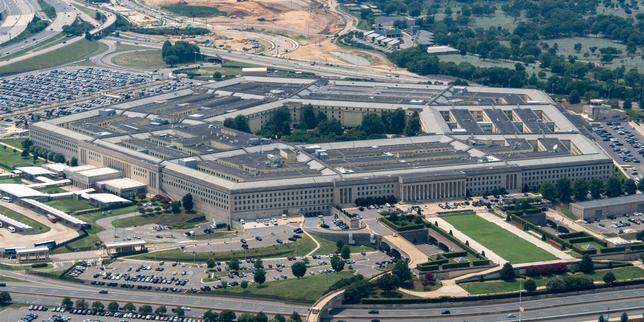
You’re reading a story about the end of an era. The recent firing of the editor-in-chief, publisher, and a key reporter at Stars and Stripes isn't just an internal human resources dispute. It’s a direct shot at the independence of the only news organization that truly serves the men and women of the United States military. When the Department of Defense decides who gets to write the news for the troops, the news isn't reporting anymore. It’s propaganda.
The Pentagon, under current leadership, has been vocal about wanting to eliminate what it calls "woke distractions." This translates to a clear mission: scrubbing the military’s own newspaper of anything that doesn't fit a specific, sanitized narrative. Erik Slavin, the ousted editor-in-chief, learned the hard way that "insubordination" is just the word they use when you refuse to play ball. His crime? Telling CBS that he viewed potential Pentagon-driven censorship as a "red line."
The Fiction of Editorial Independence
People often assume that because Stars and Stripes has served military personnel since the Civil War, its independence is a legally ironclad guarantee. It’s not. While the paper receives partial funding from the Department of Defense, it has historically operated with a firewall between the brass and the newsroom. That firewall is now crumbling.
Max Lederer, the publisher who had already announced his retirement, was sacked alongside Slavin and reporter Lara Korte. Korte’s own words on the matter were blunt: "I work for Stars and Stripes—not the Pentagon, not any administration, and not any policy maker."
Basically, the Pentagon decided that attitude is a fireable offense. If you’re a service member reading this, you need to understand that the people writing your news are now effectively on a leash. When the publisher is replaced by an active-duty Navy Captain without warning, the "independent" part of the job description effectively dies.
Why This Matters for You
You might ask why a civilian or a veteran should care about the editorial direction of a niche military paper. It’s simple. If the military can successfully muzzle its own independent press, what stops them from applying that same pressure to the broader media landscape?
This isn't happening in a vacuum. The administration’s second term has been defined by an increasingly combative stance toward the press. They’ve squeezed access to the Pentagon and clashed repeatedly with major outlets like the Wall Street Journal and the Associated Press. When you remove an ombudsman—as they did to Jacqueline Smith back in April—you’re removing the safety valve that keeps an organization honest.
Consider the reality of the situation:
- Redefining Coverage: The Pentagon isn't hiding its intent. They want a publication that focuses strictly on warfighting, weapons, and "lethality."
- The Digital Shift: While leaders argue they need to get better at reaching troops digitally, the reality is that the "improvement" they want involves stripping away the human stories that make a newsroom vital.
- Fear as a Policy: When you fire someone for defending the principles of their profession, you’re sending a message to everyone else still on the payroll. Stay quiet. Keep your head down. Don't challenge the narrative.
The Cost of Silence
The National Press Club has called the firing a "brazen attempt" to dictate coverage. They’re right. But calling it out isn't enough. We are witnessing a slow-motion dismantling of institutional integrity.
When you lose the ability to read objective reports about the conditions on a carrier or the realities of life in the service, you lose the ability to hold leadership accountable. Military members deserve the truth, not a filtered "warfighter" brochure. The paper’s mission was to serve the troops, their families, and the wider military community. By turning it into a PR arm of the government, the Pentagon is failing the very people it claims to protect.
If you value the role of an independent press, don't just watch this happen. Demand that the military adheres to its own long-standing policies regarding editorial freedom. Keep supporting journalism that refuses to be bought, bullied, or rebranded. The moment we stop questioning why our institutions are silencing their own watchdogs is the moment we’ve already lost the argument.
Don't wait for the next firing to realize that the mission has changed. Pay attention to who is writing the story and why they’re being paid to write it. The truth usually hides in the margins, and it’s getting harder to find.


