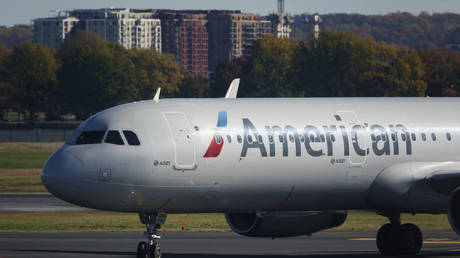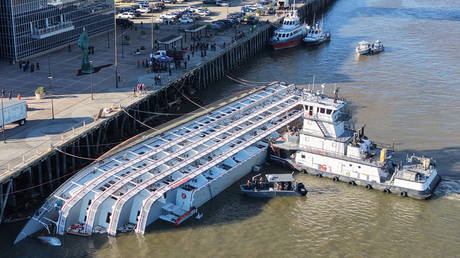
When viral videos circulate claiming a commercial tanker rammed a United States cruise ship and capsized it, the public reacts with immediate panic, yet modern maritime architecture and international collision regulations make a full capsize from a single side impact extraordinarily rare. While sensational headlines thrive on the terrifying imagery of towering steel hulls colliding at sea, the reality of maritime collisions involves complex physics, strict double-hull mandates, and sophisticated navigational redundancies that almost always prevent catastrophic overturning. Understanding how commercial tankers and passenger vessels interact on the open water separates viral panic from genuine maritime engineering.
The Physics of Impact and Hull Integrity
A collision between a loaded oil tanker and a modern cruise liner pits two massive, fundamentally different engineering philosophies against one another. Tankers are built for sheer deadweight tonnage, carrying tens of thousands of metric tons of liquid cargo low in the hull. Cruise ships, by contrast, look top-heavy to the untrained eye, rising ten to eighteen decks above the waterline like floating apartment blocks. That visual illusion fuels the widespread myth that a side impact will easily tip a passenger liner over. Read more on a similar subject: this related article.
Naval architects design passenger vessels with an exceptionally low center of gravity. All the heavy machinery—the diesel-electric engines, fuel tanks, freshwater generators, and ballast systems—sits deep below the waterline. The towering upper decks are constructed from lightweight aluminum alloys rather than heavy marine-grade steel, keeping the vertical weight distribution carefully balanced. Even when struck broadside, a modern cruise ship possesses immense righting moment, the natural hydrodynamic force that pulls a tilting vessel back upright.
For a tanker to actually capsize a cruise ship, a specific and almost impossible chain of structural failures must occur simultaneously. Additional reporting by USA Today delves into comparable views on the subject.
- Massive Kinetic Energy Transfer: The striking vessel must hit at a near-perpendicular angle while traveling at high speed, driving its bulbous bow deep past the outer plating.
- Watertight Bulkhead Breach: Modern passenger ships are divided into multiple independent watertight compartments. A single breach floods only one or two zones, causing a manageable list rather than a fatal roll.
- Progressive Downflooding: Water must breach the bulkhead deck, spilling over the tops of internal walls into adjacent dry compartments faster than industrial bilge pumps can expel it.
- Loss of Stability Margin: Asymmetric flooding on one side of the hull must exceed the ship's reserve buoyancy, overcoming counter-ballasting systems designed to pump seawater into opposite tanks to level the vessel.
Historical precedent proves just how difficult it is to overturn a modern hull. When the Costa Concordia struck a submerged reef off the coast of Giglio in 2012, the rock tore a massive 160-foot gash along its port side, flooding five watertight compartments at once. Even then, the vessel did not immediately capsize in deep water; it drifted toward shore and settled onto a rocky ledge, rolling onto its side only after grounding in shallow water. In open-ocean collisions between moving ships, glancing blows are far more common than direct T-bone impacts, scraping steel and crushing lifeboats without threatening the vessel's fundamental stability.
Why Viral Maritime Videos Deceive the Public
Social media platforms routinely amplify dramatic footage of ships colliding, often attaching fabricated backstories about sunken American cruise liners or massive loss of life. Experienced maritime investigators recognize these clips immediately. Most viral videos claiming to show a tanker ramming a cruise ship are either repurposed footage of minor port scrapes, tugboat mishaps, or sophisticated digital animations created for simulation channels.
The camera angle plays a massive role in creating visual panic. Footage shot from the dockside or a passing tender compresses depth perception, making two vessels passing within a few hundred feet look as though they are on an unavoidable collision course. When a slow-speed rub occurs in a congested harbor, the sound of screeching metal and snapping mooring lines sounds catastrophic on a smartphone microphone.
In reality, harbor collisions happen at speeds under five knots. At that pace, a tanker's bulbous bow might dent a cruise ship's upper hull plating or crush an empty tender boat, resulting in millions of dollars in shipyard repairs and an immediate investigation by the United States Coast Guard, yet leaving passengers entirely unharmed. True high-speed collisions on the open ocean almost never produce crisp, steady smartphone footage from multiple angles, simply because crews are busy executing emergency protocols rather than filming from the promenade deck.
Inside the Bridge How Modern Ships Avoid Disaster
If you step onto the bridge of any commercial tanker or cruise liner operating today, you will not find a solitary captain peering through brass binoculars. You will find an integrated command center packed with redundant electronic surveillance systems designed to prevent two ships from ever occupying the same patch of water.
The primary line of defense is the Automatic Identification System (AIS), a continuous VHF transceiver network that broadcasts a vessel's exact GPS coordinates, speed, course, dimensions, and navigational status every few seconds. Every ship within twenty to forty nautical miles appears as a live vector on the bridge's electronic chart display. Alongside AIS sits Automatic Radar Plotting Aid (ARPA), which tracks physical radar targets independently of radio transponders, ensuring that even a vessel with a broken transmitter cannot sneak up unseen.
Computers on both bridges constantly calculate two critical metrics for every nearby vessel.
- Closest Point of Approach (CPA): The exact minimum distance, measured in nautical miles, that will separate the two ships if neither alters course or speed.
- Time to Closest Point of Approach (TCPA): The precise countdown in minutes and seconds until the vessels reach that minimum separation distance.
When the CPA drops below a predetermined safety threshold—typically one to two nautical miles in open water—audible and visual alarms sound on both bridges. Officers on watch are legally bound by the International Regulations for Preventing Collisions at Sea (COLREGs), a strict global rulebook that dictates which vessel must give way and which must maintain course. Under COLREGs, ambiguity is the enemy. Turn right early, make the maneuver obvious on radar, and never assume the other ship sees you.
The Human Factor When Technology Fails
Despite billions of dollars invested in satellite navigation, collision-avoidance radar, and automated rudder controls, steel still occasionally meets steel. When an investigation strips away the twisted metal and black-box Voyage Data Recorder (VDR) transcripts, the root cause almost always traces back to human error on the bridge.
Watchkeeping fatigue remains an open secret across the global merchant fleet. Tanker crews routinely work grueling six-on, six-off watch schedules for months at a time, eroding cognitive sharpness and slowing reaction times during overnight shifts. A tired officer staring at glowing radar screens in a darkened wheelhouse can easily succumb to automation complacency, trusting a digital display without stepping out onto the bridge wing to verify visual bearings with their own eyes.
Communication breakdowns compound the danger in busy shipping lanes. While English is the mandatory international language of the sea, heavy accents, clipped VHF radio transmissions, and confusion over which ship is calling whom frequently muddle last-minute maneuvers. In congested chokepoints like the Strait of Malacca, the English Channel, or the approaches to major ports like Miami and Galveston, dozens of vessels converge simultaneously. If one captain violates COLREGs by turning left instead of right in a head-on situation, the resulting confusion can erase a two-mile safety buffer in less than three minutes.
How Maritime Investigations Uncover the Truth
Whenever a commercial vessel makes contact with a passenger ship in or near American waters, a rigid investigative machinery immediately locks into place. The National Transportation Safety Board (NTSB) and the Coast Guard dispatch marine casualty investigators before the ships even finish clearing port formalities.
Their first move is seizing the Voyage Data Recorder, the maritime equivalent of an aviation black box. Housed in a bright orange, fireproof, and pressure-resistant capsule on the upper deck, the VDR records a continuous loop of bridge audio, VHF radio chatter, radar screen captures, rudder angles, engine telegraph commands, and GPS tracks. Investigators sync these data streams down to the millisecond, reconstructing the exact sequence of decisions made by both bridge teams.
Drug and alcohol testing is mandatory for all watchstanding personnel within hours of any incident. Investigators also pull maintenance logs to check for steering gear failures or propulsion blackouts, which can turn a massive tanker into an unguided missile in narrow channels. The final public reports take months to compile, stripping away early rumors and laying bare the exact mechanical or human failures responsible for the crash.
Regulatory Safeguards Protecting Modern Sea Travel
The modern maritime industry writes its safety rules in the aftermath of past tragedies. Following the 1989 Exxon Valdez disaster, international law mandated double-hull construction for oil tankers, placing a protective outer shell and an empty ballast space between the sea and the cargo tanks. While intended primarily to prevent environmental spills, that double-hull design also acts as a crumple zone during low-speed collisions, absorbing kinetic energy that would otherwise transfer directly into the struck vessel.
Passenger ships operate under the Safety of Life at Sea (SOLAS) convention, arguably the most stringent set of engineering regulations in commercial transportation. Under Safe Return to Port regulations enacted for modern cruise liners, ships must be built with redundant propulsion rooms, separated electrical switchboards, and isolated fire zones. Even if a collision destroys half the ship's engine room and floods multiple compartments, the remaining systems must keep the vessel upright, powered, and capable of sailing back to shore under its own power.
When a viral headline claims a tanker rammed a US cruise ship and sent it rolling beneath the waves, skepticism is the smartest response. Modern vessels are engineered specifically to survive catastrophic impacts without overturning, watched over by layered electronic tracking systems and strict international maritime law. Real maritime accidents do happen, and they demand rigorous accountability when watchkeepers fail their duty, yet the physics of modern naval architecture ensures that floating cities do not simply tip over when brushed by passing steel.