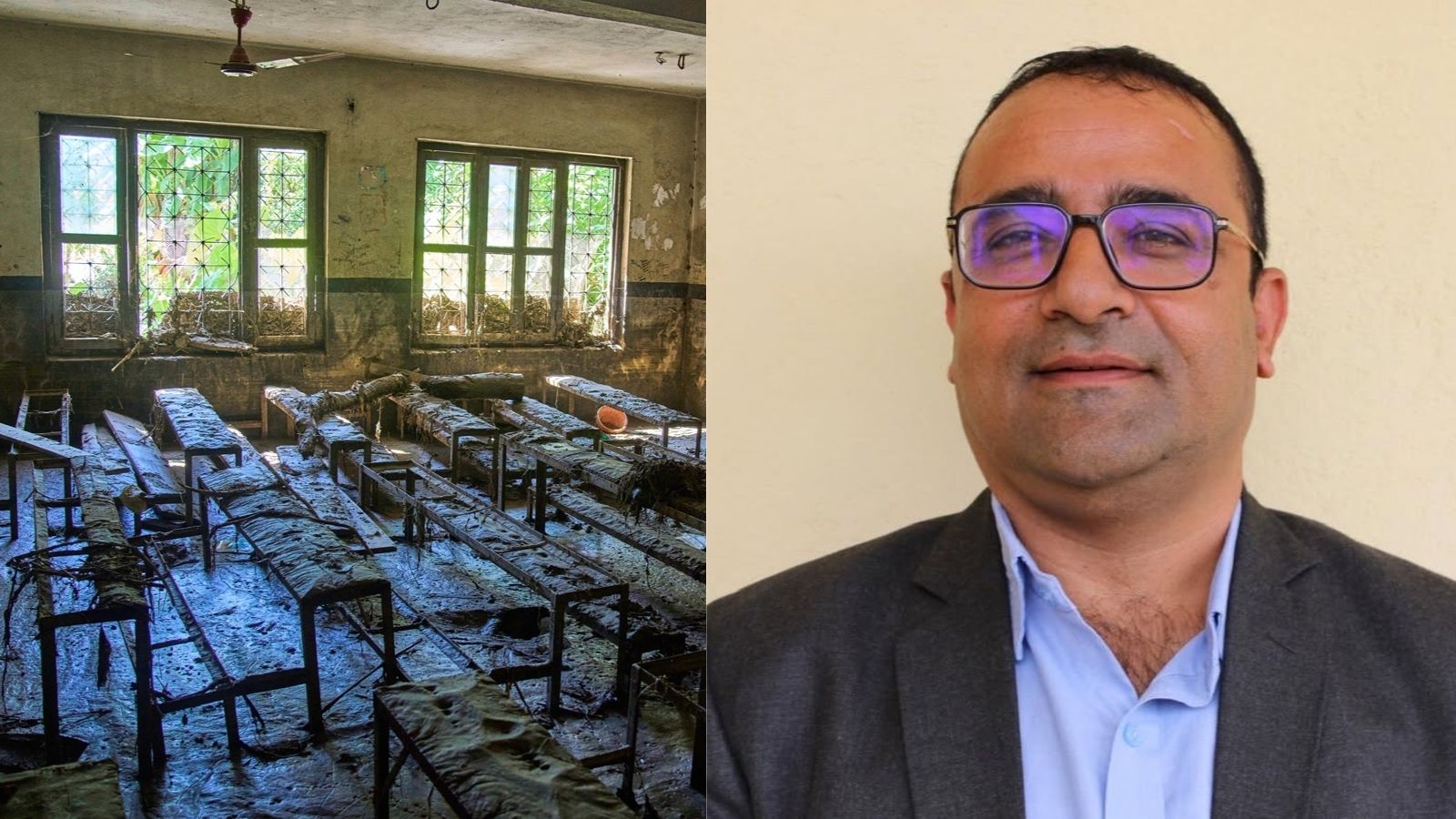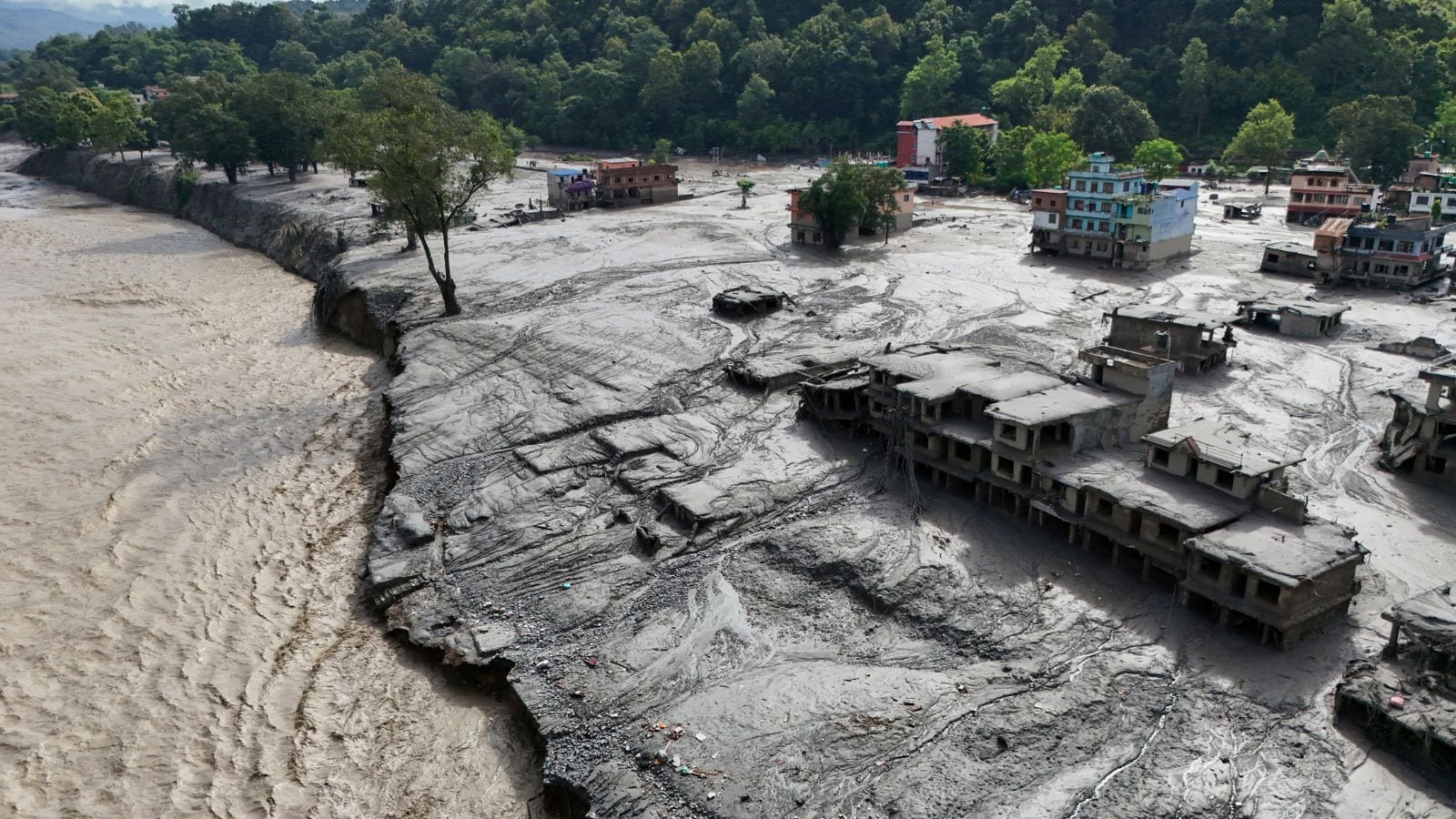
Every monsoon season, the headlines write themselves. Flash floods tear through the Himalayas, the death toll climbs past shocking milestones like 734, and media outlets point trembling fingers at angry skies and melting glaciers. The lazy consensus is as predictable as it is comforting: climate change is acting alone, nature is relentless, and human settlements are merely tragic bystanders caught in the path of inevitable wrath.
It is a convenient narrative. It absolves planners, local authorities, and international aid organizations of accountability. It transforms systemic structural failure into an act of God.
I have walked the steep gorges of the Bhotekoshi basin. I have watched multi-million-dollar hydropower projects go online while the sediment management plans were treated as optional paperwork rather than matters of life and death. When we look at rising water levels and catastrophic loss of life in these valleys, we are not witnessing an unmitigated natural disaster. We are watching the predictable bill collector cashing checks written by decades of reckless infrastructure placement, unchecked deforestation, and institutional blindness.
The Hydrological Reality Check
Let us dispense with the amateur meteorology. The Bhotekoshi River is naturally volatile. It drains a steep, geologically fragile catchment area spanning the Tibetan plateau down into Nepal. Glacial lake outburst floods and cloudbursts are historical facts of this geography. They are not anomalies; they are design parameters that engineers have chosen to ignore or underestimate in favor of fast permits and cheaper concrete.
When a riverbed rises because upstream slopes are stripped bare for agriculture and road construction, the cross-sectional area of the channel shrinks. A heavy monsoon downpour that would have passed safely through a deep, stabilized gorge twenty years ago now spills over banks choked with anthropogenic debris.
We talk about rising water levels as if water is somehow magically appearing out of thin air. Water follows gravity. It accelerates down impermeable surfaces. When you pave over absorption zones, cut unengineered switchbacks into unstable mountain shoulders, and dump construction spoil directly into riverbanks, you are engineering a high-speed water slide straight toward densely populated settlements.
The Engineering Hubris
I have seen developers blow millions on run-of-the-river hydropower plants in this exact corridor while cutting corners on sediment bypass systems and early warning telemetry. The standard playbook goes like this: secure the concession, build the intake structure, cross your fingers that the big flood hits after you have recouped your initial capital expenditure, and rely on downstream communities to act as a human buffer.
When failures occur, the PR machinery immediately pivots to freak weather events. But check the hydrology reports. More often than not, the catastrophic damage downstream is severely exacerbated by upstream constriction points, artificial narrowing of the floodway, and the sudden release or overflow of poorly managed silt-trap basins.
Imagine a scenario where a major infrastructure project alters the natural sediment transport equilibrium of a high-energy river system. Over just five years, millions of tons of aggregate settle behind low-head dams or narrow constrictions. When a high-intensity cloudburst hits, that trapped volume does not just flow downstream; it liquefies, turning a standard river swell into a hyper-concentrated debris flow with twice the density and quadruple the destructive force of normal water. That is not climate change. That is bad physics.
Dismantling the Relief Industry
Another uncomfortable truth: disaster capitalism thrives on these tragedies. Every time the death toll spikes, international donors pledge emergency funds, local politicians tour the wreckage in helicopters, and NGOs commission expensive post-disaster assessments that end up gathering dust on digital shelves.
This cycle of grief and funding perpetuates structural laziness. Money is routinely poured into downstream rescue operations and temporary relief camps while upstream watershed management remains chronically underfunded and ignored. It is the equivalent of mopping a flooded kitchen while leaving the garden hose running inside the house.
If we genuinely care about stopping the body count in places like the Bhotekoshi basin, we need to stop treating these events as meteorological surprises. We need to treat them as engineering failures and regulatory negligence.
What Real Risk Mitigation Looks Like
Real preparation is expensive, unglamorous, and politically unpopular. It does not look like a dramatic photo-op of a politician handing out sacks of rice after the bridge has already washed away.
First, we need mandatory, independently audited zoning laws that prohibit permanent human settlement within high-risk alluvial fans and active debris tracks, regardless of how much ancestral land or commercial value is tied up in those plots. Second, hydropower developers must be held legally and financially liable for the downstream kinematic energy their structures release during extreme weather events. If your dam worsens the flood wave, your operating license should be revoked permanently.
Finally, early warning systems must be decoupled from bureaucratic inertia. Sirens and sensor networks are useless if the data goes to a sleepy municipal office that waits for written confirmation before sounding the alarm. Telemetry must be automated, hyper-local, and linked directly to community-level automated sirens that trigger evacuation within minutes, not hours.
The river is not waging war against us. It is simply occupying the space we stubbornly refuse to respect. Stop blaming the rain and start changing the blueprints.