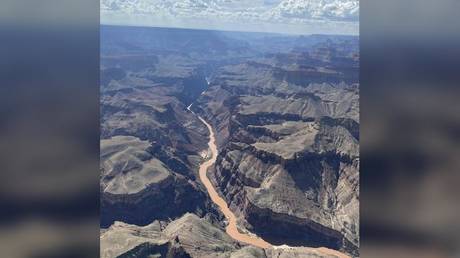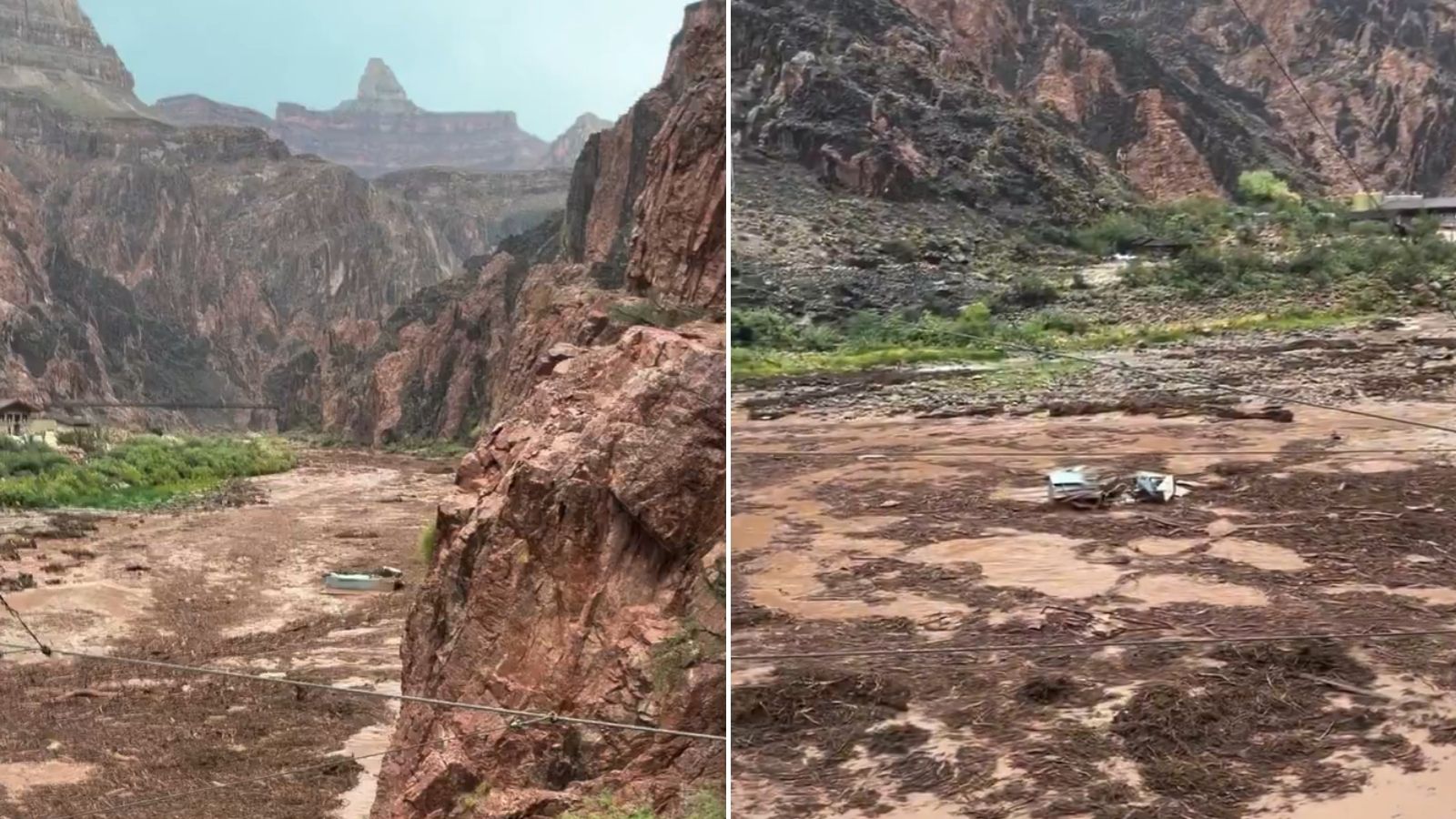
The lazy narrative following the catastrophe at Bright Angel Creek is that nature is unpredictable, cruel, and indifferent. Headlines weep over a dead hiker, fifteen missing souls, and a pulverized $208 million water pipeline. They point fingers at monsoon clouds, El Nino, and rogue thunderstorms dropping an inch of rain in thirty minutes on the North Kaibab Trail.
It is a comforting falsehood. It absolves institutional negligence by hiding behind the majesty of the wilderness. If you found value in this post, you might want to check out: this related article.
The flash flood in the Grand Canyon was not a freak anomaly that caught the modern world flat-footed. It was a predictable hydraulic event colliding with institutional hubris. We have built multi-million-dollar tourism pipelines and luxury inner-canyon campgrounds in a known geologic choke point, and then we act surprised when the desert does what deserts have done for five million years.
The Infrastructure Blindspot For another angle on this event, check out the recent coverage from Al Jazeera.
Let us look at the engineering failure. The Transcanyon Waterline has been a structural disaster waiting for a final punctuation mark for decades. Pumping water across a six-thousand-foot abyss via a pipeline that constantly ruptures is an engineering marvel of arrogance. When a debris wall the size of a shipping container barreled down Bright Angel Creek, it didn't just smash footbridges; it exposed a system that prioritizes packing millions of annual tourists into a fragile slot corridor over basic risk mitigation.
We allocate hundreds of millions to upgrade tourist amenities while backcountry communication infrastructure remains painfully archaic. Visitors hike down into the inner canyon with permits they booked six months in advance, completely divorced from real-time meteorological reality on the rim.
The Myth of the Unforeseen Deluge
Meteorologists will tell you that half an inch of rain falling on baked, drought-stricken rock runs off instantly. That is high school earth science. Yet, the National Park Service continues to operate under a recreational model that treats the canyon floor like a national park theme park where you can book a cabin at Phantom Ranch and grab dinner at the canteen without fearing a four-foot wall of mud.
Imagine a scenario where the commercialization of the inner canyon stopped taking precedence over basic wilderness safety protocols. If we treated the Bright Angel corridor with the technical respect reserved for high-altitude mountaineering or offshore drilling, half of these emergency helicopter extractions would never happen.
Instead, we rely on reactive heroics. Sixty-plus people pulled out by air, a body recovered near Crystal Rapids, and a frantic scramble to figure out who was camping in "The Box" because registry data is as fluid as the mud choking the Colorado River.
The Accountability Gap
Stop asking if the monsoon season is getting worse. Start asking why the park system continues to sell a sanitized, family-friendly backcountry experience in a zone that drops six thousand feet over a few miles of brittle rock.
The wilderness does not owe you safety. When you pack thousands of tourists into a narrow drainage ditch during peak monsoon season without hardened fail-safes, you aren't managing a park. You are running an extreme lottery.
Close the inner canyon trails permanently during high-risk windows. Ditch the antiquated water infrastructure models that hold the entire park hostage to a single vulnerable pipe.
Stop mourning the weather. Fix the management.