Every single time a vessel burns or capsizes in the Philippine archipelago, the standard script rolls out on global news wires. Commentators point to sudden storms, rough seas, and remote geography. They treat maritime tragedies as acts of God, unavoidable penalties for running an island nation.
It is a convenient fiction.
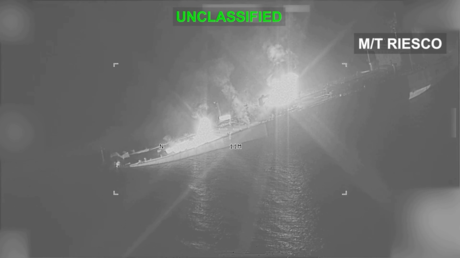
The lazy consensus blames the weather because admitting the truth requires dismantling an entrenched culture of regulatory cowardice and corporate corner-cutting. The burning of the MV June Aster off Palawan, leaving scores missing, is not a random weather anomaly. It is the predictable outcome of a system that treats passenger safety as an afterthought until the bodies wash ashore.
The Myth of the Unpredictable Sea
Mainstream reports love to emphasize big waves and strong currents hampering rescue efforts. They distract from the primary failure point: the fire started in the cargo hold hours before rescue logistics even mattered. Weather does not spark electrical shorts, nor does it override basic compartment fire suppression standards.
When oversight bodies accept spotty enforcement as normal, operators quickly realize that compliance costs more than paying off fines or managing PR fallout after a disaster. I have tracked regulatory compliance across maritime hubs in Southeast Asia, and the dynamic is always identical. Inspectors sign off on paperwork for vessels carrying cargo mixed haphazardly with human lives without verifying basic bulkhead integrity or functional suppression systems.
Blaming the elements shifts accountability away from the maritime authorities who look the other way.
The Economics of Overlooked Safety
Let us look at the structural mechanics driving these recurring tragedies. Inter-island ferries are the economic lifeblood of the Philippines, moving millions of people who lack the budget for domestic air travel. Because ticket prices are tightly regulated to keep them affordable for working-class families, operators squeeze margins anywhere they can.
Maintenance is the first budget line item to get slashed. Crew training follows right behind it.
Imagine a scenario where ticket prices accurately reflected the true cost of redundant safety systems, fire-retardant interior refits, and certified crew drills. The resulting fare hike would cause immediate political outcry. To avoid this, the state tacitly subsidizes cheap transit with human lives. Operators run aging tonnage past its operational prime, relying on minimal oversight to keep operating certificates active.
When a vessel like the MV June Aster turns into a floating bonfire near Coron, the tragedy is pinned on bad luck. Yet nobody talks about the systemic failure to mandate modern fire detection grids or automated suppression systems in lower decks.
Dismantling the Inspection Theater
The standard response to every sinking or fire is a temporary suspension of a fleet, followed by stern warnings from coast guard officials about tightening rules. Within six months, the suspension lifts, ships return to service, and the cycle repeats.
This is inspection theater.
True reform requires throwing out the current enforcement model. First, port authorities must ban the mixing of unregulated commercial cargo with passenger spaces. Second, independent international audits must replace local regulatory bodies that are too often captured by domestic shipping cartels. If a vessel cannot prove its evacuation protocols work in pitch darkness and heavy smoke, it stays tied to the pier. Period.
Stop accepting the line that maritime disasters are the price of geography. Geography does not start fires in the hold. Lax standards do. Until regulators stop apologizing for shipowners, the waters of the Philippine archipelago will remain a graveyard for passengers who simply wanted to get home.