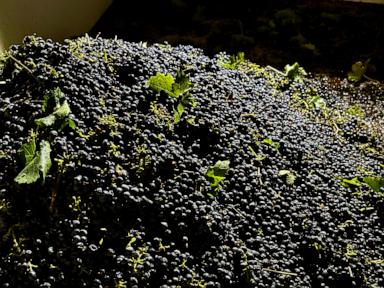
The narrative being peddled across agriculture circles is simple, lazy, and completely wrong. Industry analysts want you to believe that California farmers are drowning in unpicked wine grapes because modern consumers have suddenly lost their taste for a glass of Cabernet. They point to falling restaurant sales, lower per-capita alcohol consumption figures among Gen Z, and inventory gluts sitting in silent stainless-steel tanks from Napa to Lodi.
It makes for a neat story. It positions the current agricultural bloodbath as a cultural casualty, a tragic victim of shifting dietary trends and sober-curious wellness culture. Learn more on a related issue: this related article.
I have watched operators burn through millions of dollars chasing this exact ghost. I have sat in boardrooms where executives panicked over millennial lifestyle choices while ignoring the ticking time bombs on their own balance sheets.
The truth is much uglier and far more mechanical. The California wine grape crisis is not a demand problem. It is a reckoning with decades of subsidized overproduction, structural blindness, and a catastrophic refusal to adapt pricing models to actual market clearing prices. More analysis by The Motley Fool delves into comparable views on this issue.
Let us dismantle the fiction piece by piece.
The Myth Of The Dying Palate
Look at the surface data and you will find falling sales volumes for major commercial wine conglomerates. Analysts see those downward curves and immediately conclude that Americans are drinking less wine.
That diagnosis relies on a fundamental category error. It conflates mass-produced, chemically manipulated grocery store plonk with the broader category of fermented grape juice. When lower-tier commercial brands experience volume declines, it does not mean the public hates wine. It means consumers are rejecting overpriced, mediocre industrial product when they can buy premium ready-to-drink cocktails, craft spirits, or high-end imports for the exact same price point.
Imagine a scenario where a vineyard owner spends forty years planting high-yield, low-flavor varietals in scorching valley floors, expecting institutional buyers to line up forever simply because those vines have always been there. When those buyers walk away, the grower blames the youth of America for drinking hard seltzer.
That is not a market shift. That is economic illiteracy.
The high-end segments of the wine market in places like Rutherford, Oakville, and select cooler-climate AVAs are not suffering from a lack of buyers. They are suffering from a supply chain choke point caused by growers holding out for prices that haven't made sense since 2018.
The Economics Of Perpetual Oversupply
For decades, California agriculture enjoyed a subsidized bubble. Water policies, cheap labor pools, and aggressive replanting grants created an environment where farmers planted vines with zero regard for long-term consumption trends.
When you overplant Thompson Seedless or generic Merlot by tens of thousands of acres because a massive winery promised a long-term contract five years ago, you are not running a business. You are buying a lottery ticket and expecting society to bail you out when you lose.
The current glut of wine grapes exists because supply outpaces structural demand at current cost structures. Yet, instead of letting the market clear through aggressive price discovery, many growers leave fruit to rot on the vine while lobbying for government assistance or blaming changing social habits.
Let us look at the numbers objectively. According to the California Department of Food and Agriculture crush reports, overall tonnage has routinely exceeded the processing capacity of financially healthy wineries willing to pay sustainable grower prices. When supply swamps demand by twenty or thirty percent, prices drop. Basic economics dictates that you either cut production, lower your price to clear inventory, or pivot to a different crop.
Instead, the industry chose denial. Growers keep farming marginal land, producing low-grade fruit, and wondering why nobody wants to buy juice that costs more to harvest than it is worth on the bulk market.
The Real Problem With Modern Viticulture
I have spent years auditing operations where management treats viticulture like a sacred art project rather than a manufacturing business. They romanticize the dirt while ignoring the ledger.
Here is what actual expertise looks like in this sector: ruthlessly tearing out unproductive acreage, diversifying into table grapes, olives, or pistachios, and recognizing that agricultural markets do not care about your family heritage. If your cost of production per ton is twelve hundred dollars and the spot market is paying eight hundred, you are losing money with every truckload you send to the crusher.
The contrarian truth is that California needs fewer vineyards, not more subsidies. The current crash is a necessary, albeit brutal, correction that will purge zombie vines from the ecosystem.
When you talk to old-school farmers, they will tell you that weathering the storm means waiting for the market to bounce back to historical norms. That advice is financial poison. Those historical norms were an anomaly fueled by cheap capital, endless water availability, and demographics that no longer exist.
Unconventional Playbook For Survival
If you are a grower currently staring at unpurchased fruit and wondering how to survive the next three years, stop waiting for consumer trends to reverse. They won't.
Do not spend another dollar on chemical fertilizers for low-tier blocks that haven't turned a profit since the last decade. Accelerate the process of grafting over to high-demand clones or rip out the rootstock entirely.
Diversify your revenue streams into direct-to-consumer experiences that emphasize education and narrative, or exit the wine sector altogether. The land is valuable; the current operational model is bankrupt.
The media wants you to believe that California winemaking is dying because people prefer beer. Don't buy it. It is dying because it refused to evolve past its own bloated past.
Tear out the bad vines. Lower your cost baseline. Stop blaming the consumer for refusing to buy what you refuse to improve.
The market has spoken. Adapt or get paved over.