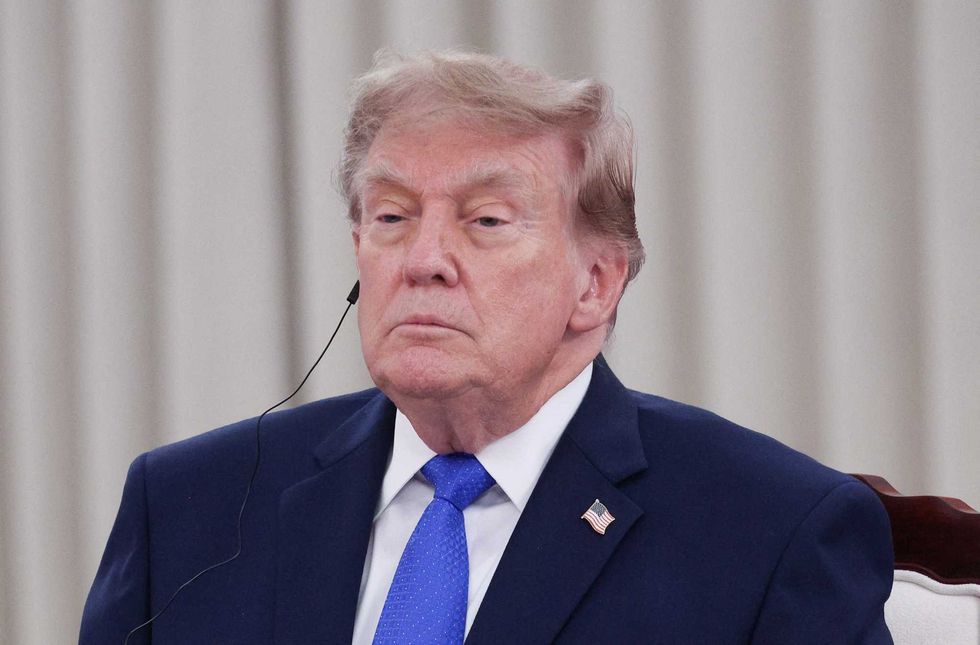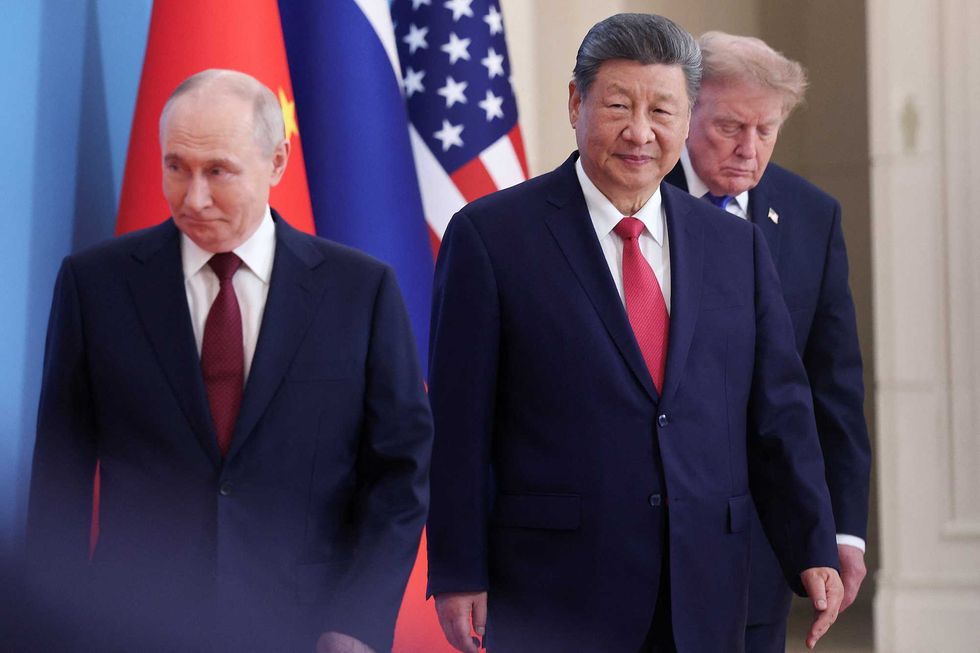
The headlines write themselves, mostly because the people writing them are using a playbook printed in 1995. You have seen the latest batch of analysis regarding the recent diplomatic summit. The consensus is deafening. The operation was a "farce." The intended "big win" was a humiliating flop on the world stage. European leaders smirked. The press corps laughed. The joint communiqué was left in ruins.
The entire analytical class is currently taking a victory lap, convinced they have just witnessed a masterclass in geopolitical incompetence.
They are completely wrong. They are evaluating a hostile corporate takeover using the scoring system of a figure skating competition.
When you judge modern, disruptive geopolitical strategy through the lens of traditional diplomacy, you will always misread the room. The critics are hyper-focusing on the lack of applause and completely missing the fact that the actual objective was never to secure a polite agreement. The objective was to break the table.
The Illusion of the Diplomatic Win
For decades, the standard metric for a successful international trip was cohesion. Did the leaders smile for the photo op? Did they sign a non-binding resolution pledging mutual cooperation? If the answer was yes, the media declared it a diplomatic victory.
But cohesion has a price tag. I have seen administrations spend immense political and actual capital just to avoid an awkward press conference. When the primary goal of your foreign policy is to be liked by your allies, you end up subsidizing those allies. You agree to asymmetric trade conditions because challenging them would cause a diplomatic rift. You shoulder the vast majority of shared defense burdens because demanding equal payment would ruin the summit's optics.
A standing ovation in a foreign capital is usually a receipt for a massive bill handed to the domestic taxpayer.
The critics call walking away from a bad deal a "flop." In the business world, we call it maintaining your walk-away power. If you go into a negotiation and the counter-party knows you are desperate for a signed piece of paper to take back to your press corps, you have already lost. The counter-party will bleed you dry, knowing you care more about the optics of a deal than the mechanics of it.
The Mechanics of the Calculated Trainwreck
Let us look at what actually happens when a leader intentionally tanks a global summit.
The immediate aftermath is chaos. The currency markets might see a brief flutter. The diplomatic backchannels light up with panicked emails. The press calls it a farce.
But look at the mechanics of the aftermath.
By refusing to play the traditional game, you immediately re-anchor the entire negotiation. The Overton window of what is considered an acceptable deal shifts violently.
Imagine a scenario where a corporate procurement officer walks into a meeting with a legacy vendor. The vendor expects a polite negotiation resulting in the standard 3% annual price increase. Instead, the procurement officer demands a 40% price cut, throws the existing contract in the trash, and walks out of the room.
The vendor's immediate reaction is shock. They might call the officer crazy. They might tell the industry press that the meeting was a complete farce. But the very next morning, that vendor is no longer thinking about getting a 3% increase. They are scrambling to figure out how to offer a 10% discount just to get the officer back to the table.
The initial demand was a tactical absurdity designed to destroy the vendor's baseline.
This is the exact mechanic at play on the world stage. When a leader goes abroad, makes impossible demands, and willingly absorbs the media mockery of a "failed" summit, they are destroying the existing baseline. The allies who were previously comfortable under-contributing to defense or maintaining protectionist trade barriers are suddenly forced to defend their positions. The "farce" forces the actual issues out of the polite shadows and into the harsh light of public scrutiny.
The Science of Irrationality
This is not a new concept. It is foundational game theory.
Nobel laureate Thomas Schelling extensively documented the strategic advantage of appearing unpredictable or even slightly irrational. In his work on conflict strategy, Schelling demonstrated that a perfectly rational actor is entirely predictable, and therefore, easily outmaneuvered. If your opponent knows exactly what you will do to avoid a crisis, they will push you right to the edge of that crisis every single time.
By actively embracing the "farce," a leader signals that they are not bound by the traditional rules of engagement. They signal that they are perfectly willing to endure a diplomatic crisis if the terms do not suit them. This introduces risk for the counter-party.
The foreign leaders laughing at the perceived flop are now calculating the actual economic risk of a trade war with a leader who clearly does not care about bad press. The laughter is a nervous reaction to a sudden loss of control. The predictable American desire for diplomatic harmony has been removed from their strategic calculus, leaving a massive, terrifying void.
Domestic Dividends Priced in Foreign Currencies
The most glaring blind spot of the foreign policy establishment is the belief that international relations exist in a vacuum, separate from domestic politics.
A flop in Geneva or Brussels is often a massive, calculated victory in the industrial heartlands of the United States. When a leader publicly fights with foreign dignitaries over trade imbalances, the intended audience is rarely the people in the room. The intended audience consists of the domestic voters who have felt ignored by decades of smooth, polite, and economically disastrous diplomatic agreements.
The critics ask, "How could they embarrass the country on the world stage?"
The voters respond, "Finally, someone is actually fighting for us instead of trying to get invited to the right dinner parties."
Traditional analysts treat this as a bug in the system. They view catering to domestic economic anxieties during international summits as crude and unrefined. It is, in fact, a feature. A leader derives their power from their domestic base, not from the approval ratings of foreign think tanks. Trading international prestige for domestic loyalty is one of the oldest and most effective political trades in history.
The Real Risks Nobody is Talking About
If you want to criticize the strategy of the intentional flop, you have to criticize the actual downsides, not the imaginary ones.
The strategy of burning diplomatic capital for economic or political gain is highly effective, but it is not without massive, inherent risks. When you constantly operate via disruption, you degrade the institutional trust required for rapid crisis response.
I have seen companies utilize highly aggressive, adversarial negotiation tactics with their supply chains. It works brilliantly for driving down costs during peacetime. But when a massive supply shock hits—a natural disaster, a sudden shortage—those companies find themselves at the back of the line. The vendors they bullied will prioritize the clients who treated them like partners.
The same rule applies to global geopolitics.
The cost of treating every ally like a hostile corporate target is the erosion of soft power. Soft power is the invisible grease that makes international logistics, intelligence sharing, and coalition building function smoothly. When a genuine, unpredictable crisis occurs—a global pandemic, a sudden regional war, a massive cyberattack—you do not have time to re-anchor negotiations. You need immediate, frictionless cooperation.
If you have spent the last four years treating your allies as adversaries to be outmaneuvered, they will hesitate when you ask for their help. That hesitation costs lives and resources. That is the actual danger of the "farce." It is not the bad press. It is the systemic depletion of emergency diplomatic reserves.
Redefining the Right Questions
The public is consuming a media diet of the wrong questions. The search queries dominating the internet right now reflect a fundamental misunderstanding of the event. We need to stop answering flawed questions and start dismantling them.
"Did the summit fail because no deal was reached?"
This implies that any deal is better than no deal. A summit only fails if a leader accepts terms that actively harm their strategic position just to secure a signature. Walking away is the baseline requirement of a strong negotiating position. The summit did not fail; it accurately exposed the incompatibility of the current terms.
"Why did the international community reject the proposal?"
They did not reject the proposal; they refused to absorb the costs they have successfully avoided for decades. Framing it as a rejection implies the proposal was inherently flawed. The reality is that the proposal demanded an end to a free ride. Of course the passengers complained. Their complaints are not proof of a flawed policy; they are proof that the policy is actually targeting the right inequities.
"How do we repair our global reputation after this embarrassment?"
You do not repair a reputation that you intentionally damaged for strategic gain. Global reputation is a currency, not a trophy. You spend it to get things done. Hoarding reputation while your domestic economy bleeds from bad trade deals is a dereliction of duty.
The Architecture of the Next Move
The dust is currently settling. The media is writing their post-mortems about the death of American diplomacy.
Watch the actual data over the next six months. Watch the quiet adjustments to defense budgets in foreign capitals. Watch the subtle shifts in tariff enforcement. Watch the back-channel communications where foreign leaders, stripped of their ability to rely on American desperation for good press, suddenly become far more pragmatic about their economic vulnerabilities.
The people calling this event a farce are relying on a fundamental misunderstanding of power dynamics. They believe power is derived from consensus.
Power is not derived from consensus. Power is the ability to walk into a room, refuse to play the game by the established rules, and force everyone else to react to your silence. The media will call it a flop. The counter-parties will call it an outrage.
And then they will sit down, open their ledgers, and figure out how much it is going to cost them to get you back to the table.