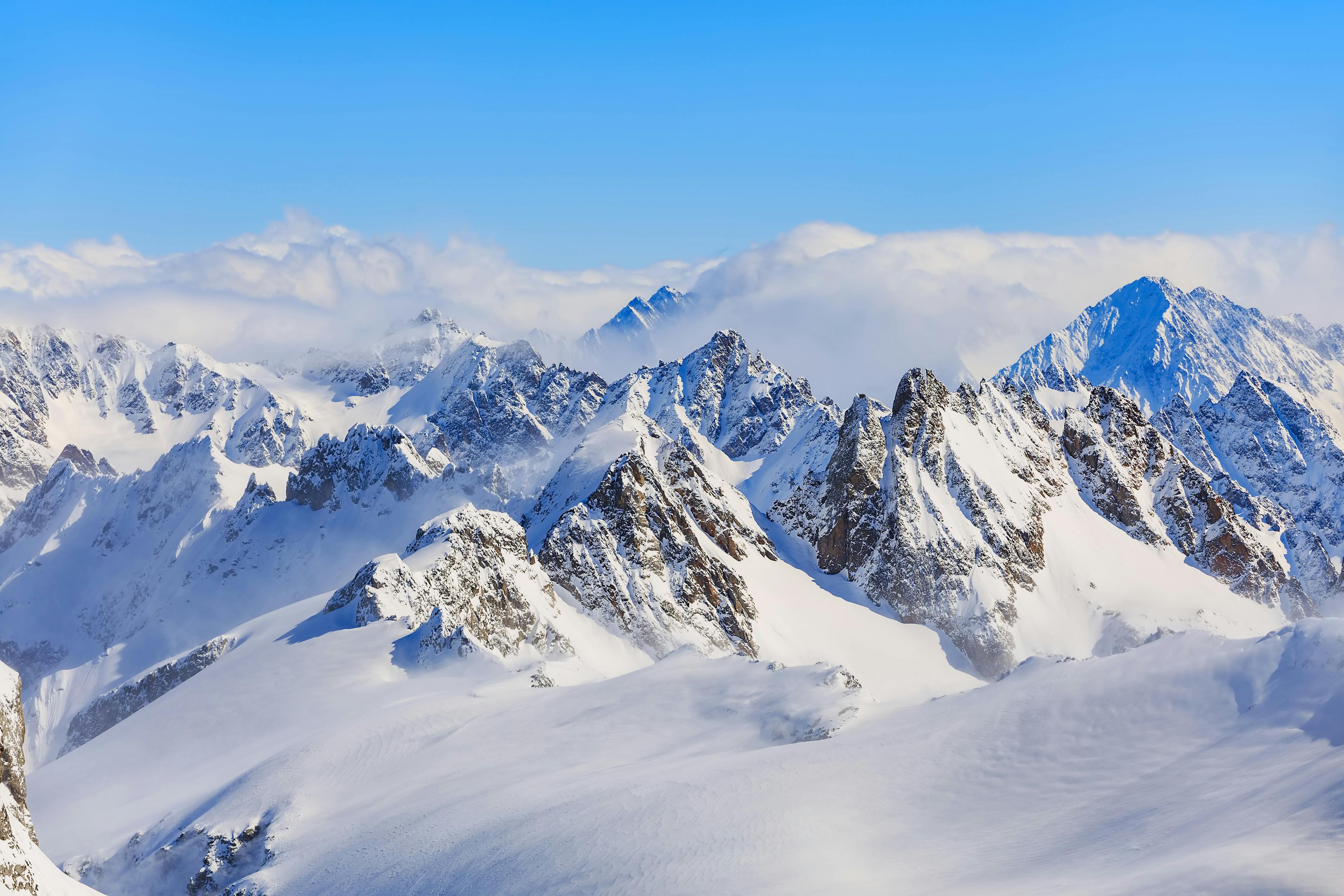
Every time a wall of snow wipes out a camp on a 7,000-meter peak, mainstream outlets run the exact same script. They clutch their pearls, interview weeping expedition leaders, and frame the event as an unpredictable act of God. The recent disaster at the base camp of Himlung Himal in Nepal, which left multiple dead and dozens missing, is being treated by the lazy consensus as yet another tragic roll of the meteorological dice.
It is not. It is a failure of basic spatial logic and structural placement.
When you pitch a tent village directly underneath an active, unmitigated overhead hazard, you are not engaging in high-altitude exploration. You are playing Russian roulette with gravity and calling it adventure tourism.
The Myth of the Unpredictable Mountain
The lazy narrative treats avalanches like lightning strikes that can hit anywhere at random. Spend ten minutes looking at a basic slope angle map of the Nar Phu region or any major Himalayan massif, and a different reality emerges. Avalanches follow predictable paths carved by centuries of geological violence. They run down established funnels, funnel through specific chutes, and deposit debris on flat aprons where humans conveniently love to pitch massive mess tents because they are flat.
The Himlung Himal base camp wasn't flattened by a freak meteorological anomaly that defied human comprehension. It was struck because commercial expedition logistics prioritize flat ground and water access over structural safety zones.
Imagine a scenario where a commercial real estate developer built a kindergarten at the bottom of an active rockslide chute during a rainy season. When the inevitable slide occurred, nobody would blame the clouds. They would jail the developer. Yet in the high-altitude tourism sector, operators pitch nylon-walled communities directly beneath hanging glaciers and avalanche paths, and when the snow descends, everyone bows their head and whispers about the raw power of nature.
The Commercialization Pressure Cooker
Why do experienced operators make rookie mistakes? The answer comes down to financial incentives. High-altitude mountaineering has morphed from a disciplined, small-team alpine pursuit into a heavily industrialized factory line. Bringing large groups to peaks like Himlung Himal requires infrastructure—dining tents, communication setups, Sherpa support quarters, and storage hubs.
To house dozens of people comfortably, you need space. Flat space is a rare commodity at 4,800 meters. So, operators routinely compromise on safety to secure flat terrain, rationalizing the risk by looking at historical weather patterns over a narrow five-year window. They ignore the macro-hazard profile of the mountain in favor of convenience.
I have watched commercial outfitters cut corners on base camp positioning because moving further away from the wall adds an extra thirty minutes of uphill walking to the daily rotation. That laziness costs lives. When corporate risk tolerance replaces high-altitude common sense, disaster is merely a matter of time.
Redefining Disaster Response
Another favorite trope of mainstream reporting is the breathless focus on rescue heroics. Helicopters are scrambled, teams dig through deep snow, and politicians issue statements of condolence. While search and rescue personnel display undeniable bravery, focusing solely on the aftermath is a convenient way to ignore the structural rot upstream.
A proper post-mortem of the Himlung Himal incident requires asking why tents were occupied in an obvious deposition zone during a period of heavy snowfall warnings. Local authorities had flagged worsening weather, yet logistics chains kept people anchored to fixed camps because summit windows are short and commercial contracts demand results.
The industry refuses to institute mandatory zoning laws for base camps because it would cut into profit margins. Until Nepal's Department of Tourism enforces strict, scientifically backed geo-mapping for base camp placements—mandating safe distances from overhead hazards—these avoidable mass-casualty events will repeat themselves year after year.
Stop blaming the snow. Start blaming the blueprint.
Nepal Avalanche: Rescuers Race to Find 12 Missing
This short video clip captures the immediate aftermath and ongoing rescue operations at the Himlung Himal base camp disaster.