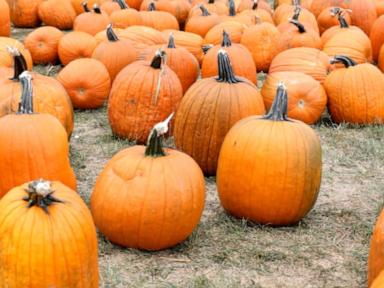
Every October, the media recycles the exact same lazy panic. Turn on any news segment or open any lifestyle site, and you will find journalists staring mournfully at a patch of orange spheres, hyperventilating because an average carving pumpkin ticked up by a few cents. Headlines screech about inflation, climate stress on fields in Texas, and diesel surcharges strangling the spooky season.
It is economic illiteracy masquerading as holiday reporting.
I have watched suburban families blow hundreds of dollars on plastic-wrapped decor and bloated retail markups while completely missing the mechanics of agricultural supply chains. The collective obsession with standard jack-o-lantern pumpkins is a masterclass in marketing manipulation. You are not paying for a vegetable; you are paying a stupidity tax for buying your autumn foliage at a big-box supermarket checkout line.
Let us look at the actual data instead of the emotional hand-wringing. According to recent metrics from the National Retail Federation and agricultural economists, total seasonal spending hovers around $13.5 billion. Standard carving pumpkins sit at a modest average of around $5.35. That represents a climb of roughly thirty-two percent over a six-year window. Sounds alarming until you realize that standard inflation, logistics realities, and agricultural input costs have shifted across every sector of the global economy. Yet, the mainstream narrative isolates pumpkins as some kind of economic canary in the coal mine.
The real story is not that your orange squash costs more. The real story is your embarrassing lack of horticultural diversification.
The Conundrum of the Commercial Patch
To understand why people get fleeced every October, you have to look at how retail giants source inventory. Big-box stores treat carving pumpkins as loss-leader bait, surrounded by petroleum-derived costumes and overpriced confectionary items. By the time a Cucurbita pepo—the botanical name for the standard field pumpkin—reaches a pallet outside a suburban grocer, its price has been inflated by triple-digit transportation markups, distribution center handling fees, and shrink allowances for rotted fruit.
When outlets complain that extreme weather wiped out crops in specific micro-regions, they ignore the vastness of domestic agriculture. Growers pivot. Supply adjusts. But retail pricing models do not pass down savings when yields are high; they lock in high margins because consumers have been trained to associate October with mandatory orange purchases.
If you are paying six bucks for a bruised, chemically fertilized, middle-of-the-road carving pumpkin, you are getting robbed by your own lack of imagination.
Eat Your Mistakes
Here is the dirty secret the pumpkin patch operators will never tell you: standard carving pumpkins taste like damp cardboard.
Agronomists divide these crops into two distinct camps: decorative field pumpkins bred solely for thick rinds and structural integrity under a dull kitchen knife, and sugar pumpkins or culinary winter squashes bred for density, sugar content, and flavor. When you buy a giant carving gourd, you are buying a hollow vessel designed for rot resistance, not consumption.
Imagine a scenario where you bypass the seasonal pop-up tent entirely and walk into the produce aisle or local farm co-op to buy a Butternut, a Kabocha, or a Delicata squash instead. You pay a fraction of the per-pound price, you get actual nutritional density, and when Halloween concludes, you can roast it into something edible rather than leaving a moldering orange corpse on your front porch to attract raccoons.
The cultural obsession with carving a face into a temporary canvas has blinded consumers to utility. We buy things to watch them decompose on concrete steps for three weeks.
The Unspoken Economics of Seasonal Markup
Let us address the broader financial landscape of October spending. Observers love to point out that candy prices have surged dramatically faster than core consumer inflation over the last five years. Major confectioners deal with volatile cocoa markets, tariff adjustments, and labor shifts.
Smart shoppers do not panic over these metrics; they arbitrage them. When corporate candy manufacturers substitute ingredients or shrink package sizes, they signal that their supply chains are buckling under legacy retail expectations. The correct response is not to complain on social media about the price of fun-size chocolate bars. The response is to opt out of the commercial conveyor belt.
Shift your purchasing habits away from the October retail trap. Buy your decorative gourds—such as heirloom flint corn, Turk's turbans, and warty swan gourds—directly from roadside farm stands in September before the tourist markup hits, or better yet, grow them yourself as ground cover in an ordinary backyard garden. The profit margins vanish the moment you stop buying convenience.
Stop blaming inflation for your poor purchasing calendar. Stop treating a mass-market squash like a luxury asset. Stop buying your gourds where you buy your laundry detergent.
Next time October rolls around, walk past the orange pyramid at the supermarket entrance, look at the inflated price tag with absolute contempt, and buy a bag of dry beans and a heritage squash instead. Your porch will survive. Your wallet certainly will.