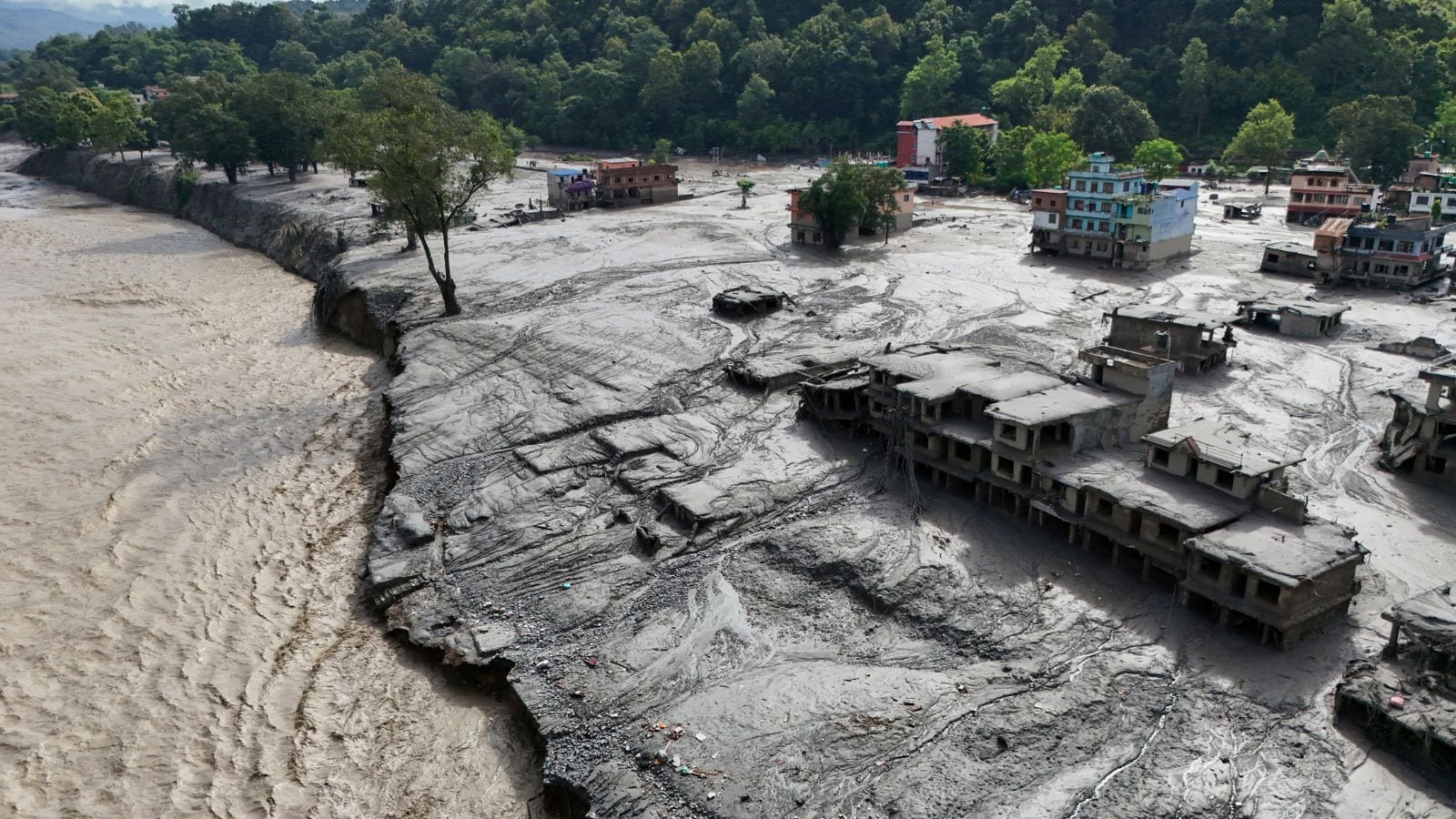
Every monsoon season, the media machine cranks out the exact same panic porn. Headlines scream about impending apocalyptic weather, followed by astronomical loss figures. The latest consensus fixates on a neat, terrifying projection: an initial damage tag of five billion dollars for Nepal's upcoming flood season.
It is a clean number. It makes for great television. It gets international donors sweating and NGOs scrambling to draft emergency proposals.
It is also fundamentally lazy economics.
I have spent the better part of two decades watching international aid architectures and local municipal offices throw money at disaster recovery like it is confetti at a parade. I have watched billions vanish into bureaucratic black holes, treating symptoms while actively subsidizing the exact vulnerabilities that caused the disaster in the first place.
The lazy consensus tells you that five billion dollars represents an unavoidable act of nature. It says we need more concrete walls, bigger embankments, and faster emergency payouts.
The truth is much uglier and harder to fix. That five billion dollar figure is not a measure of nature's fury. It is a monument to institutional failure, outdated planning metrics, and a disaster industrial complex that profits from perpetual crisis management rather than structural adaptation.
The Math of Manufactured Panic
Let us look at how these damage estimates actually get built. Economists and risk modelers pull historical data, factor in inflation, add a dash of climate anxiety, and multiply by a worst-case scenario coefficient.
Then they announce the total to the world.
Here is what they leave out of the press release. The vast majority of these projected losses are not sudden, unpredictable shocks. They are predictable costs of bad zoning. They are the price tag of building concrete structures on active floodplains, choking natural drainage systems with unchecked urban sprawl, and ignoring indigenous land management practices that kept communities safe for centuries before modern civil engineering arrived with its arrogant disregard for topography.
When you build a highway across a natural drainage basin without adequate culverts, you are not waiting for a natural disaster to happen. You are manufacturing one. And when the monsoon hits and washes out that poorly engineered asphalt, the state turns around and cries for international relief, pointing to a multi-billion dollar damage sheet as proof that weather is getting worse.
Weather is not getting worse at the same rate our bad decision-making is accelerating.
Risk models love to treat exposure as a fixed variable. It assumes people and assets just happen to be sitting in harm's way by sheer bad luck. But exposure is a choice. Every time a local government grants a building permit in a low-lying riparian zone to appease short-term commercial interests, they are writing a blank check for future flood damage.
The Aid Trap
Let us talk about the perverse incentives of disaster financing.
When a multi-billion dollar damage estimate hits the newswires, capital starts moving. International financial institutions approve emergency loans. Foreign aid agencies redirect budgets. Domestic politicians look proactive by touring muddy boots through affected districts with TV crews trailing behind.
Everyone wins except the people living on the ground.
Disaster response is big business. It rewards crisis over maintenance. A mayor can secure a hundred million dollars for emergency reconstruction after a flood, but try getting ten thousand dollars for routine maintenance of drainage canals in the dry season. There are no ribbon-cuttings for clearing mud out of a culvert in April. There are no photo ops for boring, administrative land-use enforcement.
Imagine a scenario where foreign donors stopped cutting blank checks for emergency reconstruction and instead tied every single dollar of infrastructure aid to strict, non-negotiable zoning laws. Imagine if we penalized local governments for building in flood zones instead of rewarding them with post-disaster bailouts.
The political class would scream bloody murder. Development projects would stall. But communities would actually become safe.
Right now, we are running a moral hazard experiment on a national scale. We insure bad behavior and wonder why the losses keep compounding.
Moving Past Concrete Hubris
The traditional response to flood risk is physical dominance. If water goes where you do not want it, build a taller wall. Channelize the river. Trap the water between concrete banks and pretend you have conquered geography.
Every single river engineer worth their salt knows this is a losing battle.
When you confine a river, you increase its velocity upstream and starve the floodplain of the sediment it desperately needs to maintain its elevation. You push the problem downstream, making the eventual breach catastrophic rather than manageable. The history of flood control in South Asia is a graveyard of abandoned embankments that gave people a false sense of security until the water inevitably found a way through.
True resilience looks nothing like a massive concrete levy. It looks boring, distributed, and decentralized.
It means micro-zoning. It means relocating high-density settlements away from high-risk channels, even when it is politically unpopular. It means investing in early-warning systems that reach the farmer in the field via SMS rather than relying on sluggish bureaucratic chains of command that take days to relay warnings down the valley.
It also means accepting that some land should simply not be permanently inhabited. Nature has a way of reclaiming what belongs to her, and no amount of international grant money can alter the laws of physics.
Dismantling the Forecast
We need to stop treating these multi-billion dollar forecasts as weather reports. They are audit reports on human incompetence.
Every time you read that a flood scare is going to cost billions, ask yourself a different set of questions. Who approved the construction in those zones? Why did the municipal budget prioritize decorative urban beautification over basic drainage maintenance? Where did the last round of disaster relief funds actually end up?
Until we stop celebrating emergency responses and start punishing structural negligence, those numbers are only going to climb. Nepal does not need another five-billion-dollar bailout. It needs a complete overhaul of how it values land, water, and accountability.
Stop counting the losses. Start changing the rules.