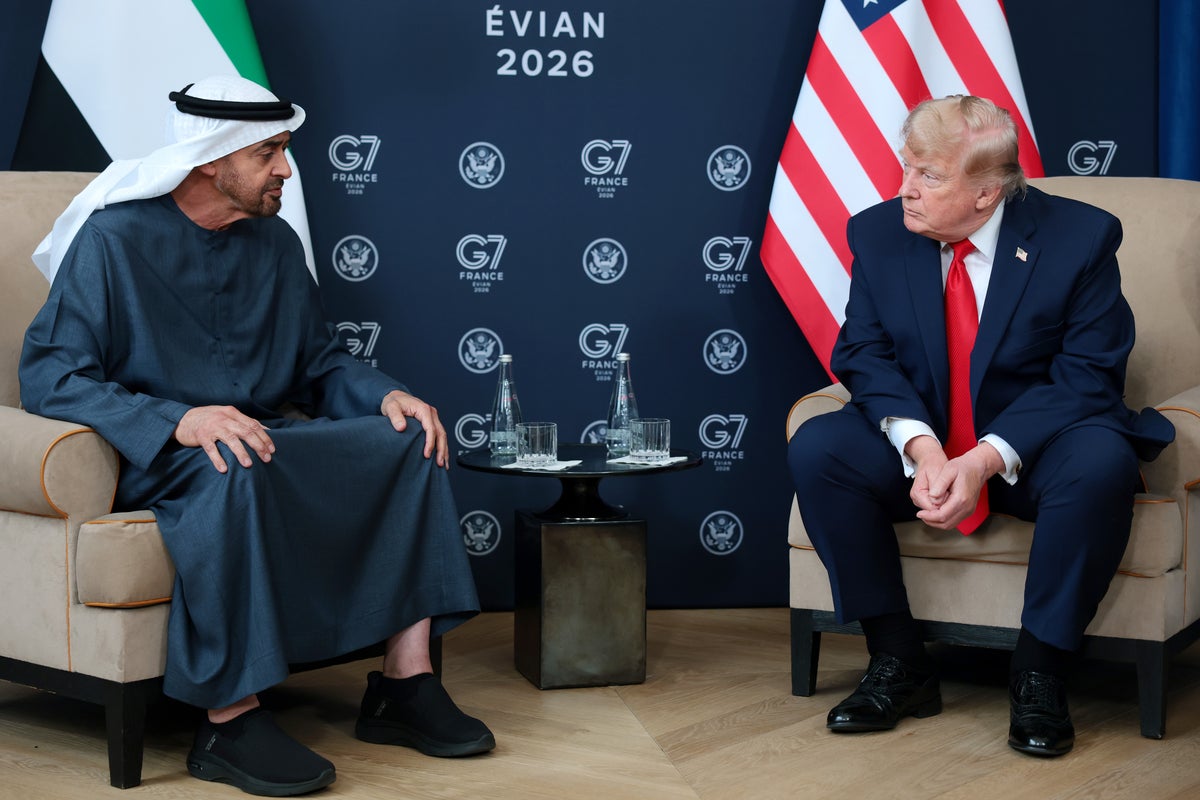
Donald Trump wants to have a dramatic public reading. Facing intense skepticism from both sides of the congressional aisle and a flood of conflicting media leaks, the president claims he is ready to sit down at a press conference and read the newly negotiated U.S.-Iran memorandum of understanding out loud.
"Word by word." That is the explicit promise.
If this sounds like classic political theater, it's because it is. But underneath the showmanship lies a massive, high-stakes diplomatic gamble to end a devastating regional war. Critics are already panicking over rumors of secret multi-billion-dollar payoffs and weak nuclear concessions. By threatening to read the text live, Trump is attempting to bypass the traditional Washington filtering machine, control the narrative, and force his detractors to argue against the literal text rather than anonymized leaks.
The strategy is simple. It's direct. And it might actually work to neutralize his political opponents before the ink even dries on the paper.
The Battle of the Leaks
The upcoming signing ceremony at Switzerland's Burgenstock resort has been plagued by a chaotic information war. Iranian state media outlets have spent days spinning the framework agreement as a total victory for Tehran, claiming that the two-month U.S. naval blockade on Iranian ports is dead and that massive sanctions relief is already locked in.
Over in Washington, the political establishment reacted with predictable fury. Senate Minority Leader Chuck Schumer immediately hit the Senate floor, warning that "the devil is in the details" and demanding that the administration brief Congress. Even Trump’s usual allies are getting restless. GOP Senator Joni Ernst publicly pressured the White House, insisting that the Senate must review the deal under the framework of previous foreign policy precedents. Meanwhile, rumors started circulating that the U.S. was secretly handing Iran up to $300 billion in reconstruction funds.
Trump took to Truth Social to slam those numbers as "Fake News" cooked up by Democrats.
Rumored Terms vs. Reality
-----------------------------------------------------------
The Leak: U.S. is paying $300 billion for reconstruction.
The Reality: Trump flatly denies this cash transfer.

The Leak: Iran gets permanent sanctions relief immediately.
The Reality: Blockade is lifted for oil sales, but full relief
            depends on a strict, performance-based 60-day review.
-----------------------------------------------------------
The administration’s damage control team has been working overtime to clarify that the deal is strictly performance-based. According to senior officials, Iran only gets to keep selling oil and fuel if they completely freeze their nuclear weapons aspirations and keep the critical Strait of Hormuz open to global shipping without arbitrary tolls.
Why the Word by Word Strategy is Pure Leverage
When you understand how Trump operates, the threat to read the text line-by-line makes perfect sense. It’s a deliberate tool designed to freeze his political enemies in their tracks.
First, it robs the Washington press corps of their favorite weapon: contextual framing. By reading the text himself in a formal setting, Trump establishes the baseline reality of what the deal actually says. If a reporter claims the deal is soft on Tehran, Trump can simply point to the exact paragraph on the page and say, "Read it yourself."
Second, it puts immense pressure on a fractured Congress. Senate Majority Leader John Thune has been quietly trying to secure the text of the agreement for days with zero response from the West Wing. By taking the document straight to the cameras, Trump forces lawmakers to react to the actual terms in real-time, effectively stopping them from building a coordinated opposition strategy based on partial leaks.
Finally, it sends a blunt message back to the Iranian regime. Iranian Foreign Minister Abbas Araghchi and parliamentary speaker Mohammad Bagher Qalibaf have been trying to project strength to their domestic audience, hinting that nuclear issues aren't even on the table. A literal reading of the text by the U.S. president forces Tehran to either acknowledge the nuclear dismantlement clauses or walk away from the deal entirely, risking an immediate return of the U.S. naval blockade.
What is Actually on the Line This Week
Behind the theatrical threats lies a fragile geopolitical framework mediated by Pakistan and Qatar. The war has battered global energy infrastructure, and both sides have felt the burn of recent military exchanges. Just weeks ago, Trump called off a massive military strike on Iranian soil at the last minute after negotiators made a breakthrough in Islamabad.
The current framework essentially sets up a high-stakes, two-phase experiment:
- Phase One: A 60-day truce extension where the U.S. lifts its naval blockade, allowing Iran to export oil, while Iran guarantees the free flow of navigation through the Strait of Hormuz and halts regional proxy escalations, including those involving Hezbollah in Lebanon.
- Phase Two: A grueling 30-to-60-day window where negotiators must tackle the toughest part of the equation—the permanent dismantlement of Iran's nuclear facilities and the destruction of existing nuclear material.
This is fundamentally a performance-based truce. If Iran steps out of line, or if the IRGC Navy attempts to harass vessels near the waterway again, the economic chokehold returns instantly.
The Immediate Next Steps
Do not expect a quiet diplomatic rollout. The Swiss foreign ministry has confirmed that the formal signing is still on track for Friday at the heavily secured Burgenstock resort near Lucerne. While Vice President JD Vance was initially tapped to handle the signing, Trump has hinted he might fly in to dominate the event personally.
If you are tracking this situation, ignore the anonymous administration sources and the boastful press releases coming out of Tehran. Watch the upcoming White House press conference instead. Keep an eye out for how the administration explicitly defines the nuclear compliance triggers during that line-by-line reading. The real test won't be the rhetoric or the theater—it will be whether the text contains concrete, ironclad enforcement mechanisms that can survive the 60-day clock without dragging the U.S. right back into a regional quagmire.