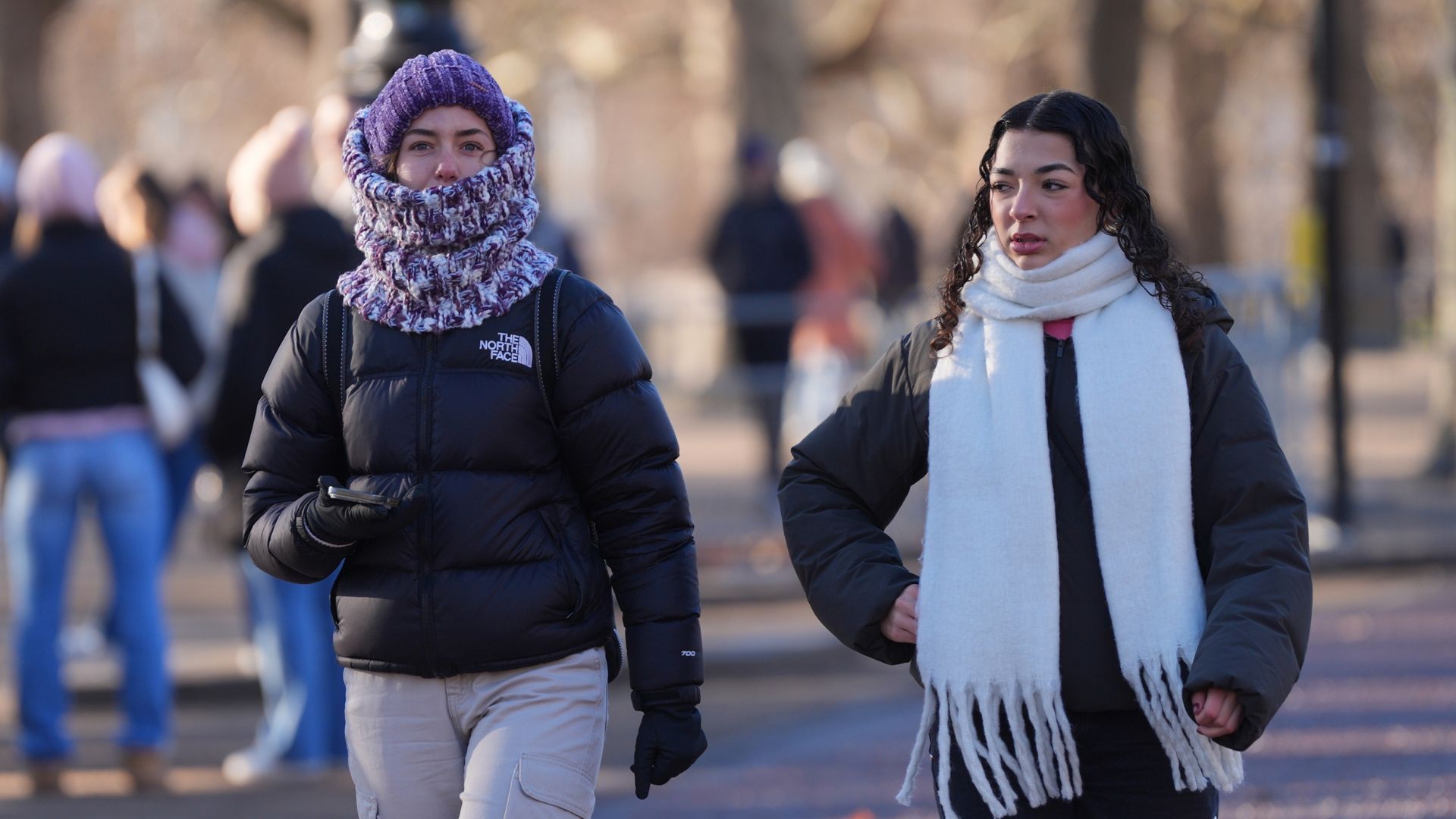
Every winter, local news outlets run the exact same breathless headline: temperatures are dropping to -10C, cold weather alerts are extended, bundle up, stay indoors, and crank the heat.
It is lazy journalism disguised as public service. And if you follow their standard advice, you are actively degrading your immune response, spiking your cardiovascular risk, and wasting thousands of dollars on energy bills.
Minus 10C is not an apocalypse. It is a predictable atmospheric event that human physiology and modern infrastructure were engineered to handle. The real danger isn't the air outside your front door—it is the stagnant, overheated, bone-dry microclimate you create inside your living room the second a meteorologist puts a blue snowflake graphic on the screen.
I have spent fifteen years analyzing municipal health metrics, building-envelope physics, and winter mortality data across northern climates. Year after year, the pattern repeats. Municipalities issue blanket cold-weather panic alerts, millions of residents seal their windows, blast forced-air furnaces to 24C, and sit motionless on their couches. Within ten days, emergency rooms flood with respiratory infections, acute asthma exacerbations, and cardiac events.
The weather didn't put them there. Their reaction to the weather did.
The Myth of "Deadly" Minus 10C Air
Let's establish basic meteorological and physiological reality first. Minus 10C (14F) is cold, but it is nowhere near the threshold of acute environmental trauma for a properly dressed human being.
Frostbite risk at -10C in calm air is virtually zero. According to Environment and Climate Change Canada wind chill charts—the gold standard for cold-weather exposure metrics—skin takes over 30 minutes to freeze at -10C only when sustained winds exceed 40 kilometers per hour. Without high wind, exposed skin experiences peripheral vasoconstriction, a normal, healthy evolutionary reflex that shunts blood toward your core organs to preserve thermal homeostasis.
Yet mainstream weather reporting treats -10C like an immediate threat to human survival. Why? Because fear drives clicks, and municipal agencies use low-threshold alerts primarily to trigger emergency shelter funding for unhoused populations.
That distinction matters. A cold weather alert is a social services trigger, not a mandate for healthy, housed adults to enter hibernation. When media outlets copy-paste press releases without explaining who is actually at risk, they manufacture mass behavioral dysfunction.
What Actually Kills People in Winter
If you look at excess winter mortality statistics—data tracked extensively by the World Health Organization and national public health institutes—deaths do spike during cold snaps. Lazy commentators point at the thermometer and call it case closed.
They miss the mechanism entirely.
Hypothermia accounts for a tiny fraction of winter deaths. The overwhelming majority are driven by ischemic heart disease, strokes, and respiratory tract infections. And the trigger is rarely prolonged outdoor exposure. Instead, it is two specific environmental failures caused by how we manage indoor spaces during an extended cold alert:
1. The Indoor Humidity Collapse
Cold air holds almost no moisture. At -10C, the saturation vapor pressure of air is roughly 2.6 millibars. Even if the outdoor relative humidity reads 80%, the absolute moisture content is negligible.
When your furnace draws that frigid outside air in and heats it to 22C, the relative humidity plummets to between 10% and 15%. For context, the Sahara Desert averages around 25% relative humidity.
You are living inside a dehydrating chamber. Here is what happens to your body within hours of sitting in 12% humidity:
- Mucociliary clearance fails: Your nasal passages and trachea are lined with microscopic hair-like structures called cilia that sweep viruses and bacteria out of your airways. Cilia require a hydrated mucus layer to function. Dry air desiccates that layer, paralyzing your primary physical defense against airborne pathogens.
- Viral stability increases: Research published in PLOS One and Proceedings of the National Academy of Sciences demonstrates that influenza and SARS-CoV-2 viral aerosols remain suspended longer and stay infectious at drastically higher rates when relative humidity drops below 30%.
- Epithelial micro-cracks: Dry air causes microscopic fissures in nasal membranes, giving airborne viruses a direct pathway into your bloodstream.
When the local news tells you to "stay inside where it's warm" during an extended cold snap, they are locking you inside an incubator optimized for viral transmission.
2. Thermal Shock and Blood Viscosity
The second killer is the radical temperature gradient between your overheated living room and the outdoor air.
When you step out of a 24C house into -10C air, your body experiences an instantaneous 34-degree thermal shock. Your sympathetic nervous system fires immediately. Blood vessels in your extremities constrict violently to prevent heat loss, causing your systolic and diastolic blood pressure to spike within seconds.
Simultaneously, cold exposure triggers hemoconcentration—your body shifts fluid out of your bloodstream to preserve core temperature, increasing the concentration of red blood cells, platelets, and fibrinogen. Your blood literally becomes thicker and more prone to clotting.
If you have underlying atherosclerosis or mild hypertension, stepping from an overheated room into -10C air to shovel snow or walk to your car is a textbook recipe for plaque rupture and myocardial infarction. The steeper the indoor-outdoor temperature cliff, the harder your cardiovascular system gets slammed.
Dismantling the Common Cold-Weather Playbook
Let's look at the specific questions people search during a cold snap—and expose why the standard answers are dead wrong.
Should you leave your heat running constantly at a high temperature?
No. Keeping your home at 22C or 23C during a -10C cold snap forces your HVAC system into continuous duty cycles, stripping every drop of moisture from your home and creating massive thermal gradients.
Drop your daytime thermostat to 18C or 19C and wear a wool sweater. At night, drop it to 16C. Lower indoor temperatures preserve relative humidity, reduce the physiological shock when you step outside, and cut your heating energy consumption by roughly 3% for every degree you lower the dial.
Is it dangerous to exercise outside at -10C?
For healthy individuals, exercising at -10C is not only safe—it is superior to running on a treadmill in a stuffy gym.
Your upper respiratory tract is a remarkably efficient heat exchanger. By the time -10C air passes through your nasal passages and reaches your trachea, it has already been warmed to nearly body temperature and humidified.
The only group that needs genuine caution is individuals with exercise-induced bronchoconstriction or severe asthma, as rapid mouth-breathing during high-intensity sprints can dry out bronchial airways. The fix isn't staying on the couch; it is lowering the intensity to Zone 2 aerobic effort, breathing through your nose, and wearing a lightweight merino wool buff over your mouth to pre-warm incoming air.
Do space heaters make cold snaps safer?
Portable electric space heaters are one of the worst investments you can make during a cold alert.
First, resistance electric heating is absurdly expensive per BTU compared to modern heat pumps or gas furnaces. Second, space heaters create localized hot spots that trick your body's thermoregulation while doing nothing to solve systemic drafts. Third, according to the National Fire Protection Association, space heaters account for more than two-fifths of all home heating fire deaths. You are trading a negligible risk of cold discomfort for a statistically significant risk of burning your house down.
The Contrarian Cold-Snap Protocol
If you want to emerge from an extended -10C cold alert healthier, sharper, and wealthier than your neighbors, stop treating winter like a medical emergency. Execute this protocol instead:
- Manage humidity before temperature. Buy a digital hygrometer for $15. Keep your indoor relative humidity between 40% and 50%. If you don't have a whole-home bypass or steam humidifier integrated into your furnace, run evaporative humidifiers in your bedroom and main living area. Ignore ultrasonic cool-mist humidifiers unless you use distilled water—otherwise, they aerosolize tap water minerals into fine particulate matter (PM2.5) that damages lung tissue.
- Insulate the human, not just the airspace. Heating empty air in a 2,000-square-foot house to 23C is thermodynamically stupid. Set your thermostat to 18.5C and dress in breathable, moisture-wicking base layers—merino wool or synthetic fleece, never cotton. Cotton traps sweat against your skin, pulling heat away from your body 25 times faster than air.
- Train your cold thermogenesis. Deliberate, controlled exposure to -10C air activates brown adipose tissue (BAT)—metabolically active fat that burns glucose and triglycerides to generate heat. A brisk 20-minute walk outside at -10C improves insulin sensitivity, elevates norepinephrine levels for hours, and calibrates your vascular system so cold air stops registering as a panic signal.
- Fix the building envelope, not the thermostat. Most homes lose 25% to 35% of their heat through uncontrolled air leakage around rim joists, attic hatches, and recessed lighting—not through closed windows. Spend $30 on polyurethane foam sealant and weatherstripping rather than $300 on extra natural gas.
The Honest Downside of This Approach
Let's be clear about the trade-offs, because pretending a contrarian strategy has zero friction is dishonest.
Keeping your home at 18C and maintaining 45% indoor humidity during a -10C cold snap creates a specific physical problem: window condensation.
When warm, properly humidified indoor air hits a poorly insulated single-pane or older double-pane window cooled by -10C outdoor air, water vapor condenses into liquid—or frost—on the interior glass. Left unchecked over a two-week cold snap, that moisture pools on wooden sills, peels paint, and feeds mold growth.
If you live in an older home with builder-grade windows, you cannot run 45% humidity at -10C without consequences. You have to step your target humidity down to 30%–35% during extreme cold snaps, wipe down window tracks every morning, or install heat-shrink window insulation film to create an air barrier over the glass.
Additionally, if you are managing elderly relatives with impaired thermoregulation, infants, or individuals taking beta-blockers and vasodilators, 18C is too cold. Their peripheral circulation cannot compensate effectively, and mild hypothermia becomes a legitimate risk indoors. Keep their living spaces at 21C and run dedicated humidification to offset the dryness.
Stop Outsourcing Your Resilience to a Weather App
The next time a push notification flashes across your phone warning that temperatures are dropping to -10C and cold weather alerts have been extended, look at the metrics that actually matter.
Check your indoor hygrometer. Check your insulation layers. Check your resting blood pressure before you grab a snow shovel.
Humans settled Siberia, Scandinavia, and the Canadian Arctic centuries before central heating, weather satellites, or breathless breaking-news banners existed. Your biology is built for cold. Stop locking yourself in a dry, overheated box every time the mercury dips below zero, and let your physiology do the job it was designed for.