The High-Season Trap: Why Travel Guides Lie to You
Most travel guides sold to Indian travelers are copy-paste jobs designed to keep you safe, comfortable, and thoroughly basic.
They tell you to book Hanoi between November and February. They paint idyllic pictures of pristine skies over Ha Long Bay, moderate temperatures, and dry air. What they conveniently forget to mention is that every other tourist on the planet read the exact same blog post. You will pay double for a hotel room, wait in two-hour lines for a simple bowl of Pho, and navigate waterways packed shoulder-to-shoulder with identical cruise ships. For a closer look into this area, we recommend: this related article.
That isn't travel. That’s a theme park line with better food.
The obsession with finding the "ideal weather" forces people into rigid windows, driving up costs while ruining the actual experience. Vietnam stretches over 1,000 kilometers from north to south, spanning three distinct climate zones. There is no single "best month" to visit the country, and waiting for dry weather is the fastest way to miss the best parts of Southeast Asia. For broader background on this issue, in-depth reporting can also be found at AFAR.
The Central Coast Rain Fallacy
The conventional wisdom insists you should avoid Danang, Hoi An, and Nha Trang from October to December due to the rainy season. Travel agencies act like a downpour will ruin your life.
They're dead wrong.
I’ve waded through knee-deep water in Hoi An during November, and it was easily the most memorable week I've spent in Southeast Asia. When the heavy rains hit, something magical happens: 90% of the tour buses vanish. The ancient town sheds its polished tourist coat and transforms back into a living, breathing Vietnamese community.
+------------------+-----------------------+------------------------+
| Factor           | Standard "Peak" Season| Rainy Off-Season       |
+------------------+-----------------------+------------------------+
| Hotel Rates      | 100% (Rack Rate)      | 40% - 60% Discount     |
| Crowds           | Overwhelming          | Minimal / Local        |
| Atmosphere       | Commercialized        | Authentic, Raw         |
| Heat & Humidity  | Unforgiving (Summer)  | Cool, Refreshing (Rain)|
+------------------+-----------------------+------------------------+
When it rains in Central Vietnam, it rarely rains all day. You get intense, dramatic bursts of tropical precipitation followed by cool, crisp air. You sit in a second-story café in Hoi An, sipping egg coffee, watching monsoon clouds roll over yellow roofs without a single selfie stick blocking your view.
If you insist on blue skies and zero rain, go to a resort in Goa. You don't fly to Vietnam for sterile weather; you go for the energy.
The Northern Winter Myth: It Isn't Paradise, It's Grey
Indian travelers frequently run into a brutal surprise when visiting Northern Vietnam (Hanoi, Sapa, Ha Long Bay) during its touted "prime" winter months of December and January.
The blogs tell you it’s "cool and pleasant."
Here is what they don't tell you: Northern Vietnam in January is bone-chillingly damp. There is no central heating in most budget or mid-range hotels. The sky is a perpetual shade of wet slate, and Ha Long Bay is frequently blanketed in a thick fog that reduces visibility to about twenty feet. You aren't seeing limestone karsts; you are staring into a wall of white mist while freezing in a light jacket because you didn't pack for sub-15°C damp humidity.
If you want Hanoi at its absolute finest, go during the shoulder transition periods—late September or April. Yes, you might get a warm afternoon. Yes, you might sweat a bit. But the city is vibrant, the street food culture operates at full tilt, and you actually get to see the sun.
The South Doesn't Care About Your Calendar
Travel guides love to break Ho Chi Minh City and the Mekong Delta down into "Dry Season" (December to April) and "Wet Season" (May to November).
It is a distinction without a difference.
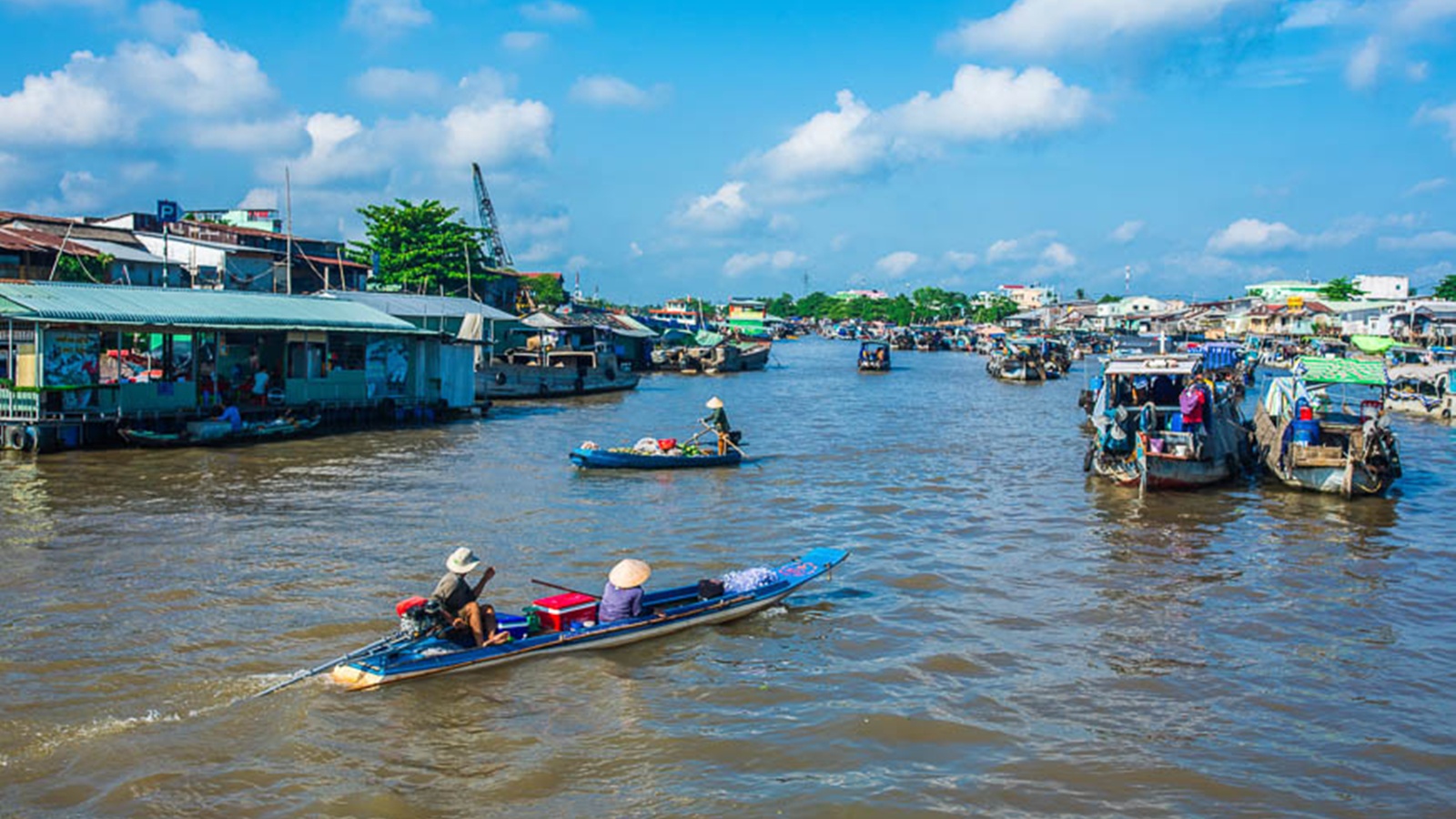
Southern Vietnam is perpetually warm. Whether you go in January or July, the temperature will hover between 30°C and 35°C. The only difference during the wet season is a 45-minute torrent of rain that hits around 3:00 PM almost like clockwork.
It clears the dust, drops the temperature by five degrees, and gives you a legitimate excuse to duck into a craft beer bar or a local street cart for a plate of Com Tam. Running away from the wet season in the south means paying peak prices for zero added value.
How to Actually Plan a Vietnam Itinerary
Stop trying to conquer the whole country in ten days while chasing a single weather pattern. It's impossible.
Instead, split your strategy based on micro-climates and your tolerance for trade-offs:
- If you want cheap luxury and zero crowds: Target Central Vietnam (Hue, Hoi An) during October or November. Book a five-star resort for the price of a mid-tier hotel, pack a light rain shell, and enjoy having UNESCO sites virtually to yourself.
- If you want stunning landscapes: Go north to Sapa and Ha Giang in September. This is when the rice terraces turn brilliant gold right before the harvest. It’s warm, green, and visually unmatched.
- If you want coast and islands: Hit Phu Quoc between November and March, but accept that you'll pay premium rates. If you want beach life on a budget, switch your destination entirely to Quy Nhon in May or June—a coastal city most Indian tourists completely ignore.
Ditch the generic weather charts. Stop letting risk-averse travel blogs dictate your vacation dates. Book the cheap ticket, embrace the tropical weather, and see the country as it actually exists.