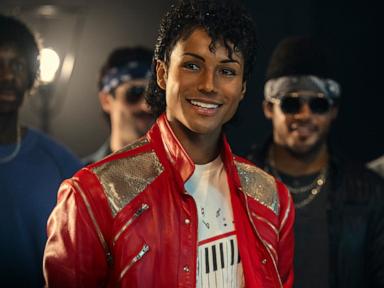
Traditional entertainment desks are running on fumes, and their recommendations prove it. Every Friday, the same syndicated checklists roll out across legacy media, telling you exactly what to consume. This week, they are telling you to park your eyes on the home streaming debut of the biopic Michael, spin the new LPs from Olivia Rodrigo and Keith Urban, and turn your living room into a simulated mosh pit via the Bonnaroo livestream on Disney+.
It sounds like a packed weekend. In reality, it is a curated corporate graveyard shift designed to maximize platform retention while offering zero artistic substance. Meanwhile, you can read other events here: The Night the Goliaths Fell to a Fifteen Million Dollar Joke.
I have spent over a decade watching major studios and streaming platforms dump millions of dollars into content aggregation pipelines. The consensus from the major desks is always the same: if it has a massive marketing budget, it belongs on your screen. They treat your attention like an open landfill.
It is time to stop letting passive aggregation dictate your cultural diet. The mainstream entertainment buffet is serving stale leftovers this week, and you are paying for the privilege of choking it down. To explore the bigger picture, we recommend the detailed report by GQ.
The Biopic Trap and the Death of Historical Grit
Let us start with Michael. The legacy press treats its streaming arrival like a monumental event. They want you to believe that a massive budget and a glittering track record equal a masterpiece.
It is a lie. The modern musical biopic is fundamentally broken.
When a studio secures the rights to a legendary catalog, they do not sign a contract to tell the truth. They sign an agreement with an estate. Estate-backed biopsies are glorified infomercials disguised as prestige cinema. You are not watching history; you are watching a heavily sanitized, legally approved corporate asset protection strategy.
Imagine a scenario where a political figure finances their own documentary. You would immediately question the bias. Yet, when a pop star’s estate controls the narrative of a feature film, audiences applaud the "unprecedented access."
True art requires friction. It requires the willingness to look at the ugly, unvarnished corners of human reality. When you strip away the mess to protect a brand's licensing revenue, you get a slick, hollow product. Streaming Michael this weekend does not make you a student of pop culture; it makes you a line item in an executive's quarterly report.
The Synthetic Loneliness of the Modern Super-Producer
Turn your attention to the audio side. The charts will tell you that Olivia Rodrigo and Keith Urban are essential listening. The algorithms are already forcing their singles into your personalized playlists.
But look closer at the liner notes. Look at the mechanics of modern hit-making.
The industry wants you to believe in the myth of the lone genius—the tortured singer-songwriter baring their soul in a cabin. The reality is a clinical, data-driven manufacturing plant. Pop and country music have been optimized to the point of sterilization.
- The Over-Correction Crisis: Every note is snapped to a perfect grid. Human timing errors—the very things that gave classic rock, soul, and outlaw country their emotional weight—are erased by software.
- The Co-Writing Syndicate: Tracks are assembled by committees of eight to twelve writers, each tweaking a syllable to ensure maximum compatibility with TikTok's 15-second attention span.
- Acoustic Fraud: We are told these albums represent "raw growth," yet they are compressed to within an inch of their life to sound loud on cheap earbuds.
When you stream these heavily polished releases, you are consuming audio processed through the same corporate filter. It is engineered to prevent you from skipping the track, not to make you feel something genuine. It is ambient noise for an over-stimulated generation.
The Livestream Illusion: Why Couch-Bound Festivals Feel Dead
Then there is the Bonnaroo livestream. The major outlets pitch this as a victory for accessibility. Why spend hundreds of dollars on tickets, brave the heat, and camp in the mud when you can watch The Strokes, Noah Kahan, and Skrillex from your air-conditioned couch?
Because art is an environmental experience, not just a digital signal.
A music festival is a collective ritual. The heat, the exhaustion, the shared adrenaline of thousands of people moving to the same frequency—that is the actual product. When you reduce that down to an high-definition video feed on a TV, you extract the soul and leave the corpse.
Watching a festival online turns a participant into a voyeur. You are staring at a screen watching other people have a transformative experience. It is the cultural equivalent of reading a restaurant menu instead of eating the meal. The platform wins because they capture your data and show you ads; you lose because you spent four hours on a couch feeling a vague sense of FOMO while staring at a pixelated stage.
How to Reclaim Your Attention
If the mainstream menu is toxic, what do you actually do? You have to build a wall against the algorithmic firehose.
Stop clicking on the "Trending" tab. The trending tab is not a reflection of what is good; it is a reflection of what has been paid for. Seek out the independent, the unmonetized, and the weird.
Instead of watching a multi-million dollar biopic engineered by corporate lawyers, find an independent documentary made by a director who risked their own money to tell a difficult truth. Instead of streaming an album backed by a major label marketing machine, dig through independent music platforms for artists who record in their garages without a safety net of pitch-correction software.
The industry wants you compliant, predictable, and constantly streaming. The most radical thing you can do is turn off their feed and choose something they did not choose for you.
,webp/013/792/629/2560x1440.4.webp)