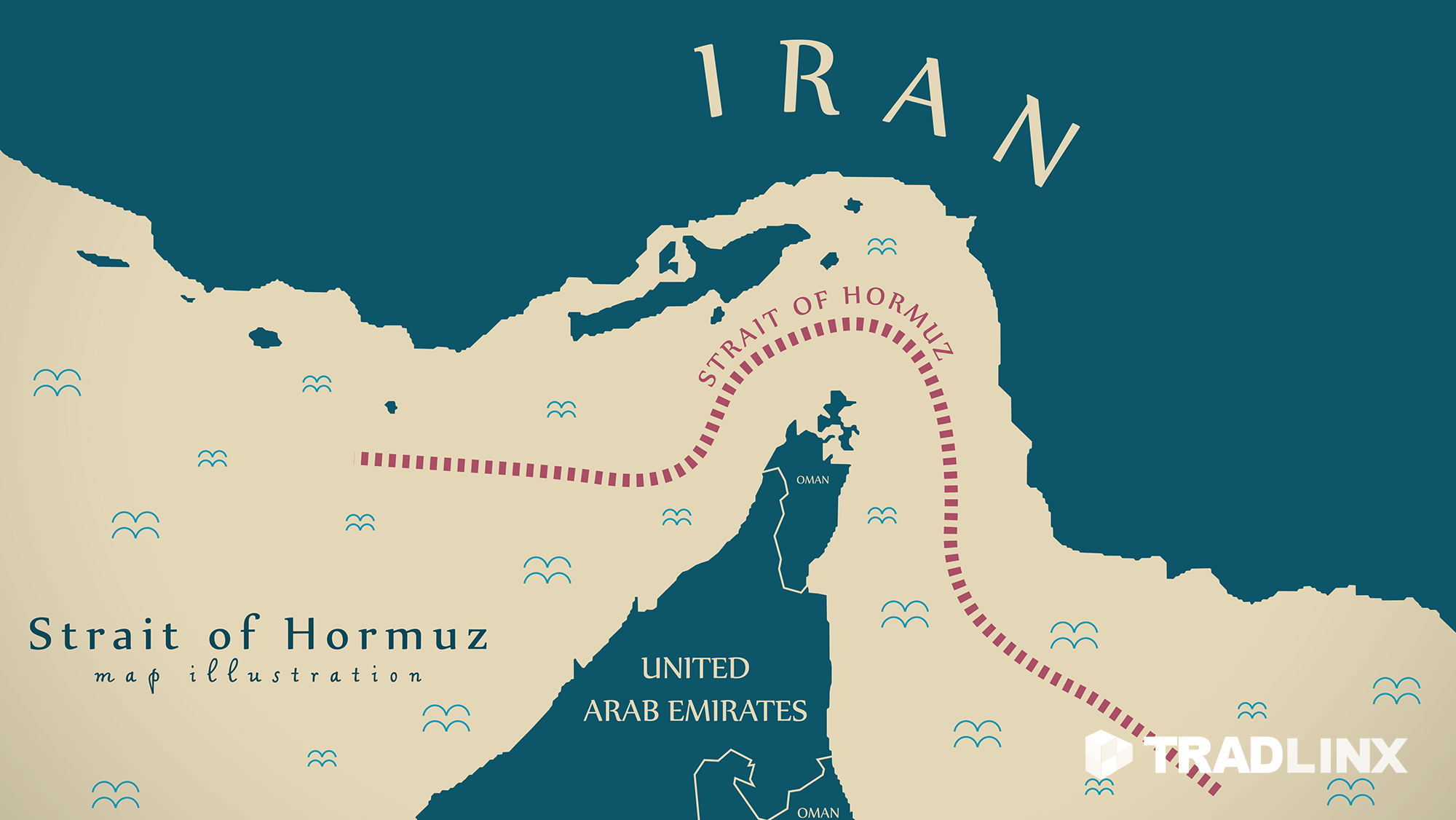
The brief window of hope for global energy markets just slammed shut. After a fleeting 24 hours of relative calm, Iran’s military command announced it’s resuming "strict management" of the Strait of Hormuz. This isn't just a local skirmish; it’s a direct response to the ongoing U.S. naval blockade that has choked off Iranian ports since April 13. If you thought the 10% drop in oil prices on Friday was the start of a trend, think again.
Basically, the ceasefire agreed upon on April 8 is fraying at the edges. While Tehran briefly signaled the waterway was open for commercial traffic on Friday, they’ve pulled a total U-turn. They claim the U.S. broke its promise by keeping up a "siege" on ships moving to and from Iranian docks. Now, we’re back to a high-stakes staring match in one of the world's most sensitive maritime choke points.
The Blockade Breaking Point
The U.S. blockade isn't a general closure, but it’s surgical and devastating. Under the direction of Donald Trump and CENTCOM, the U.S. Navy is intercepting any vessel attempting to enter or depart Iranian territory. So far, at least 23 vessels have been intercepted or diverted. For Iran, this isn't just an insult; it’s an economic death sentence costing them roughly $400 million every single day in lost revenue.
It’s not just about the money, though. Iran is facing a literal ticking clock with its infrastructure. Experts suggest Iran only has about 13 days of oil storage capacity. If the blockade doesn't lift by April 26, they’ll have to shut down oil wells. Doing that can cause permanent geological damage, meaning those wells might never produce at full capacity again. Tehran’s move to lock down the Strait is a desperate attempt to force the U.S. to blink before the April 26 deadline hits.
Gunboats and Mixed Signals
The situation on the water is chaotic. Just hours after the "reopening" on Friday, the United Kingdom Maritime Trade Operations (UKMTO) reported that an oil tanker was fired upon by IRGC-linked gunboats 20 nautical miles northeast of Oman. No radio warning. No challenge. Just shots across the bow. It’s clear that the "strict management" Iran is talking about involves a very itchy trigger finger.
Meanwhile, in the diplomatic world, things are even messier. Iran’s Deputy Foreign Minister, Saeed Khatibzadeh, has been vocal at a forum in Turkey, saying the U.S. simply can't "impose their will" on the region. He’s calling it a siege. He’s not wrong about the pressure, but his rhetoric shows that peace talks in Islamabad have essentially hit a brick wall. There’s no date for a second round of talks because they can't even agree on what they’re supposed to be talking about.
What This Means for Global Trade
If you're wondering why your gas prices are about to jump again, look at the numbers.
- A fifth of the world's oil and liquefied natural gas (LNG) passes through this tiny strip of water.
- Over 150 ships are currently anchored outside the Strait, essentially waiting for a green light that isn't coming.
- Shipping insurance for the Persian Gulf has gone through the roof, making even "safe" transit through the Strait of Hormuz incredibly expensive.
The Trump Factor
President Trump has been characteristically blunt. He’s claimed the Iranian military is largely toothless, yet he’s also calling for NATO and even China to help "re-open" the waterway. It’s a bit of a contradiction. He wants the Strait open for everyone except Iran. But in maritime law, that’s almost impossible to enforce without a constant, grinding military presence that risks a much larger war.
The U.S. is currently using more than a dozen warships and dozens of aircraft to patrol the Iranian coastline. They’re calling it "impartial enforcement," but when it only targets one country’s ports, the target knows exactly who the enemy is. Mojtaba Khamenei, who has been largely invisible since the war started in February, even popped up on Telegram to warn that his navy is ready to make the U.S. "taste the bitterness of defeat."
What to Watch Next
The next 72 hours are going to be a mess. If you're tracking this, keep your eyes on the shipping lanes. Several tankers that were heading toward India from the UAE have already turned around. They aren't taking the risk.
Don't expect oil prices to stabilize anytime soon. As long as Iran feels backed into a corner by the April 26 storage deadline, they’ll use their only leverage: the ability to make the rest of the world feel the same economic pain they're experiencing. Watch the Islamabad diplomatic channel, but don't hold your breath. The "strict control" of the Strait is the new normal for the foreseeable future.
If you have assets tied to energy or shipping, it's time to hedge. Check your supply chain's exposure to Gulf transits and look for alternate routes or suppliers immediately. The window for a "clean" resolution is closing fast.