The Illusion of Virtual Security
The UAE’s participation in a virtual foreign ministers meeting regarding the Strait of Hormuz is being framed by mainstream outlets as a "proactive diplomatic step." It isn't. It is a high-definition admission of powerlessness. While bureaucrats adjust their ring lights and check their microphones, the actual mechanics of global energy security are being stripped for parts by non-state actors and algorithmic warfare.
Diplomacy used to happen in smoky rooms where you could smell the desperation or the bluff. Now, we have shifted to a pixelated theater where "stability" is a buzzword used to mask a total lack of physical control. If you think a Zoom call can secure 21 million barrels of oil per day, you haven't been paying attention to the last decade of asymmetric conflict.
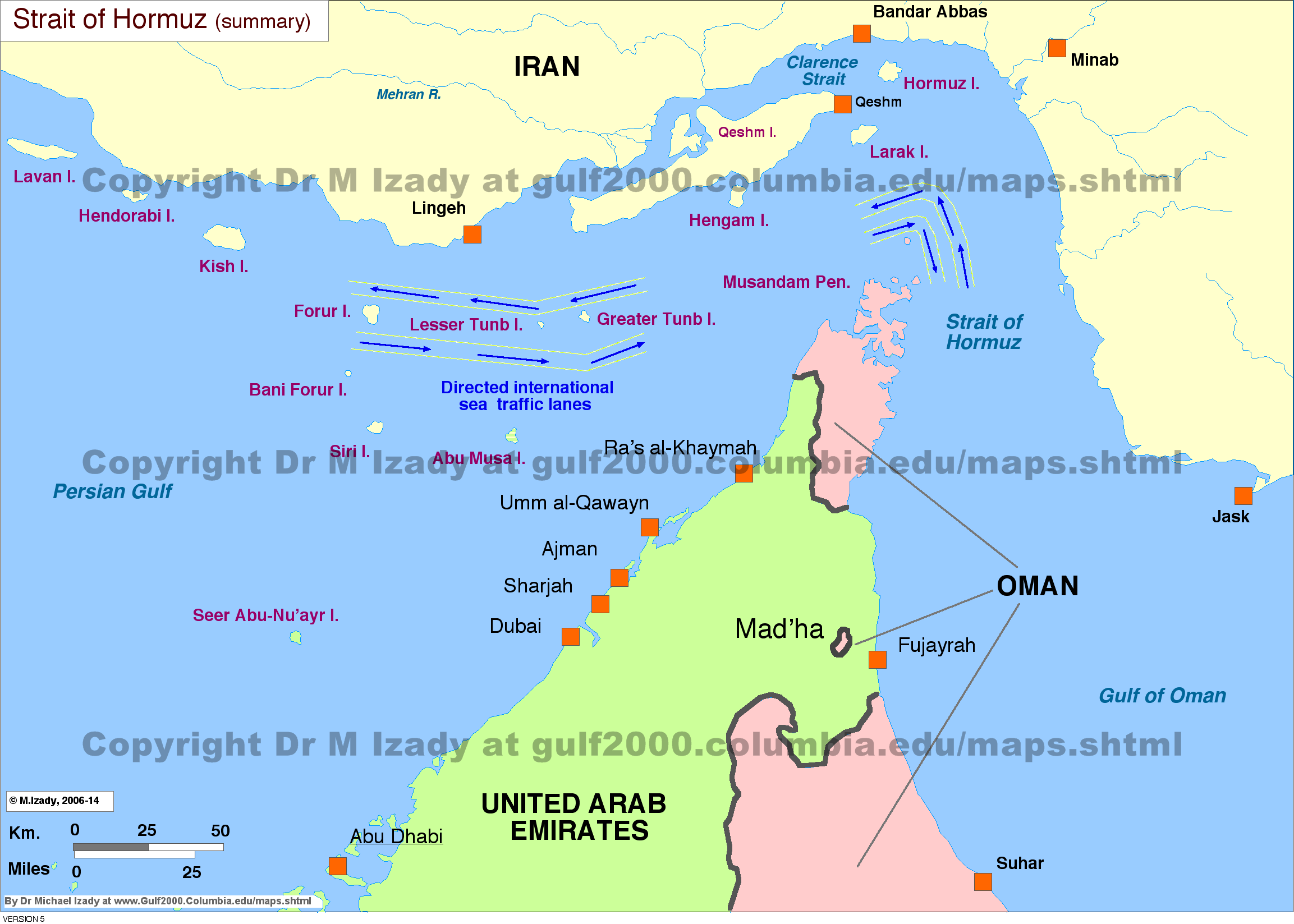
The Strait of Hormuz is not a "shipping lane." It is a 21-mile-wide choke point that functions as the jugular of the global economy. Treating its security as a matter of "shared international concern" and "coordinated digital dialogue" is like trying to put out a forest fire by tweeting about the benefits of water.
The Lazy Consensus of International Cooperation
The competitor narrative suggests that more talk equals more safety. This is the "lazy consensus." In reality, every minute spent in a virtual summit is a minute ignored by the people actually mining the waters or deploying drone swarms.
The Strait represents roughly 20% of the world's total petroleum liquids consumption. When the UAE or any other regional power joins these meetings, they are performing for the markets, not the mariners. They are trying to keep insurance premiums—specifically Kidnap and Ransom (K&R) and War Risk rates—from spiking.
But here is the nuance the press misses: Volatility is now a feature, not a bug.
Sophisticated traders and certain regional players actually benefit from the "threat" of closure. It drives speculation. It justifies massive defense spending. It creates a "perpetual crisis" state that allows governments to bypass standard oversight in the name of national security. The virtual meeting isn't about solving the problem; it’s about maintaining the perception of a manageable problem.
Why the "Freedom of Navigation" Argument is Broken
We hear the phrase "Freedom of Navigation" (FON) repeated like a religious mantra. The international community insists that keeping the Strait open is a universal good. This is a half-truth.
- The Cost of Protection: The US and its allies spend billions patrolling these waters. This is essentially a massive subsidy for oil consumers in Asia.
- The Asymmetry Gap: A $2,000 suicide drone can disable a $2 billion destroyer. The math of maritime defense has shifted permanently.
- The Proxy Paradox: The actors threatening the Strait are rarely the ones sitting on the video call. You cannot negotiate with a ghost fleet through a screen.
I have seen energy firms dump hundreds of millions into "maritime security consultants" who do nothing but repackage public AIS data (Automatic Identification System). They sell "intelligence" that is essentially just a weather report with a scary font. The UAE’s participation in these talks is the diplomatic equivalent of that—expensive, visible, and ultimately decorative.
The Data the Diplomats Ignore
Let’s look at the actual numbers that don’t make it into the press releases.
Total global oil production is approximately 102 million barrels per day (mb/d). The Strait handles about 21 mb/d. If the Strait closes, there is no "backup plan." The East-West Pipeline across Saudi Arabia and the Abu Dhabi Crude Oil Pipeline have a combined unused capacity of roughly 3.5 mb/d.
Do the math.
$$21 - 3.5 = 17.5 \text{ mb/d shortfall}$$
That is a $17.5$ million barrel hole in the daily global supply. No amount of "virtual coordination" or "deepening ties" fills that gap. The meeting is a distraction from the fact that we are one bad afternoon in the Persian Gulf away from a global depression.
The Myth of De-escalation
The competitor article will tell you that these meetings "foster de-escalation." This is factually incorrect. De-escalation happens through two things: overwhelming force or total surrender.
A virtual meeting is a vacuum. And in geopolitics, a vacuum is an invitation for aggression. When regional powers meet virtually, they signal to their adversaries that they are unwilling to commit physical resources to the table. It is a display of "soft power" at a time when only "hard assets" matter.
If you are a logistics manager or a hedge fund lead, ignore the joint statements. Watch the satellite imagery of the Iranian fast-attack craft. Watch the "dark fleet" tankers turning off their transponders. Watch the price of iron ore and the movement of dry bulk carriers, which are often the first to divert when things get real.
Stop Asking if the Strait is "Safe"
The premise of the question is flawed. "Safe" is a binary that doesn't exist in the Strait of Hormuz. The Strait exists in a state of permanent contested transit.
People also ask: "Will the Strait of Hormuz be closed?"
The honest answer: It doesn't need to be. A "tactical slowdown"—increasing transit time by 48 hours through increased inspections or "military exercises"—is enough to wreck the global JIT (Just-In-Time) supply chain.
We are obsessed with the "Big Bang" event—a total blockade. We should be terrified of the "Slow Bleed"—a gradual increase in the cost of passage that makes global trade unsustainable for everyone except the ultra-wealthy.
The UAE’s Real Angle
The UAE isn't there because they believe in the power of the video call. They are there to manage their brand. As a global hub for finance and logistics, they cannot afford to be seen as a "conflict zone."
They are playing a sophisticated game of "Risk Management Theater." By participating, they signal to the IMF and the World Bank that they are "responsible actors." It’s a move designed to protect their credit rating, not their coastline.
I’ve sat in rooms where these strategies are hammered out. The goal is never to solve the geopolitical tension—that’s impossible. The goal is to ensure that when the tension breaks, the UAE isn't the one holding the bill.
The Technical Reality of Modern Choke Points
We need to stop talking about 19th-century naval strategy. The Strait of Hormuz is now a laboratory for electronic warfare (EW).
- GPS Spoofing: Tankers are being lured into hostile waters by manipulated signals.
- Cyber-Kinetic Attacks: Taking control of a ship’s ballast system via remote hacks.
- AI-Driven Targeting: Automated systems that can distinguish between a neutral merchant vessel and a high-value target without human intervention.
A foreign ministers' meeting that doesn't address the tech stack of the Strait is a waste of bandwidth. We are using 20th-century diplomacy to address 21st-century piracy.
The Brutal Truth for Investors
If you are relying on the "stability" promised by these summits, you are the exit liquidity.
True security in the Strait of Hormuz won't come from a consensus. It will come from the decoupling of energy transit from physical geography. Until we have a way to move 20% of the world's energy without going through a 21-mile gap, the Strait will remain the ultimate leverage point for anyone with a grudge and a boat.
The "virtual meeting" is a sedative. It is designed to make you feel like the adults are in the room. But the room is empty. The adults are on a screen, and the screen is lagging.
The next time you see a headline about "participating in virtual talks," translate it correctly: "We have no physical solution, so we are talking into the void."
Buy a generator. Check your insurance. Stop believing in the sanctity of the shipping lane. The era of guaranteed passage is over.