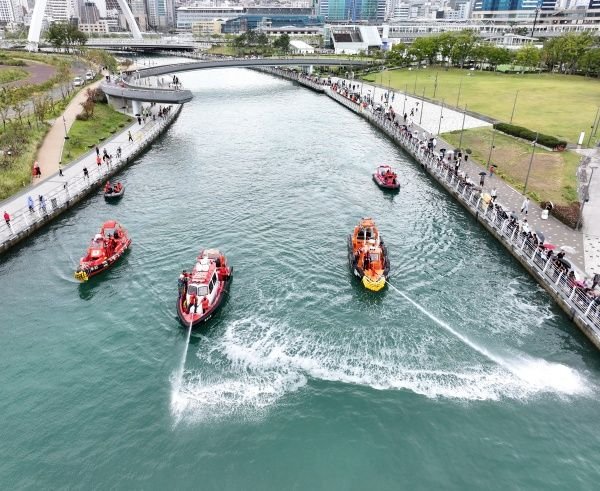
Animals always find a way to captivate our attention, but few manage to pull off the kind of spectacle we saw unfold in a South Korean waterway. When a marine predator ends up trapped far from its natural habitat, people usually panic or ignore it. This case went completely the other way. Six hundred thousand visitors flocked to catch a glimpse of an unexpected urban tourist.
If you are wondering how a wild creature turned a routine municipal drainage area into a buzzing tourist hotspot, you are not alone. The story mixes urban wildlife intrusion with the sheer unpredictability of modern media attention. Let's break down what actually happened, why people drove for hours to stare at concrete walls, and what this bizarre event says about our relationship with nature.
The Wrong Turn That Captured A Nation
Wild animals straying into human infrastructure happens more often than you think. Birds nest in traffic lights. Deer wander onto suburban lawns. Rummaging raccoons navigate subway systems. But sharks do not belong in narrow concrete channels meant for rainwater runoff.
When the animal was first spotted swimming through the narrow confines of a South Korean canal, local authorities scrambled. It wasn't a tiny reef shark either. It was a substantial predator navigating shallow waters surrounded by high-rise buildings and busy bridges.
People love a spectacle. Word spread fast on social media platforms. Within days, what started as a municipal headache transformed into a full-scale public attraction. Thousands of curious onlookers lined the banks. They brought cameras, binoculars, and picnic snacks. They wanted a story to tell.
The Rescue Attempt That Failed
Crowds bring chaos. Wildlife experts knew the animal was in grave danger from the moment it entered the restricted waterway. Salinity levels, pollution, and rising water temperatures spell disaster for marine life trapped in urban runoffs.
Rescuers tried multiple approaches to guide the animal back out to open water. They set up barriers. They attempted catch-and-release protocols suited for open coastal waters. Every single effort hit a brick wall.
The animal was disoriented. The loud noises from screaming crowds and flashing smartphone cameras only made things worse. Stress kills wild animals faster than starvation in many cases. The stress of captivity combined with an unnatural environment crippled every rescue bid.
Critics pointed fingers. Why did officials let crowds gather so close? Why wasn't the area cordoned off immediately? The truth is messy. Municipal departments rarely have specialized marine extraction teams on standby for urban canals. By the time heavy hitters arrived, the public had already turned the canal banks into a carnival.
Why Six Hundred Thousand People Showed Up
You cannot look at this event without asking a fundamental question. Why did six hundred thousand people abandon their weekends to stare at a drainage ditch?
Urban life gets repetitive. People crave novelty. When a wild, untamed creature shows up in the middle of a concrete jungle, it punctures the boring rhythm of daily commutes and office work. It provides a rare rupture in reality.
Social media poured gasoline on the fire. Algorithms reward the bizarre. Short video clips of the fin breaking the murky surface went viral instantly. FOMO kicked in hard. If your friends posted a video from the canal bridge, you felt compelled to go see it yourself before the animal vanished.
This massive turnout highlights a broader cultural quirk. We live separated from the natural world, yet we remain endlessly fascinated by it. We pave over habitats, build massive cities, and then act shocked when wildlife tries to navigate the ruins. Then, when a wild animal enters our space, we treat it like a celebrity meetup rather than an ecological emergency.
What We Miss In The Circus
The media loved the quirky headlines. Celebrities get interviews, red carpets, and paparazzi. This shark got six hundred thousand pairs of eyes staring down from concrete barriers.
Beneath the carnival atmosphere, a tragedy unfolded. The animal did not survive the ordeal. The rescue bids failed because human curiosity got in the way of animal welfare.
We need to talk about crowd control during wildlife incidents. When animals stray into populated zones, safety protocols must prioritize the creature's survival over public entertainment. Blocking access points immediately stops the panic cycle. It gives experts the quiet space they need to do their jobs.
Next time an unexpected visitor pops up in a strange place, remember the lessons from this canal. Put the phone down. Give the professionals room to work. Let nature find its way home instead of turning a rescue operation into a tourist trap.


