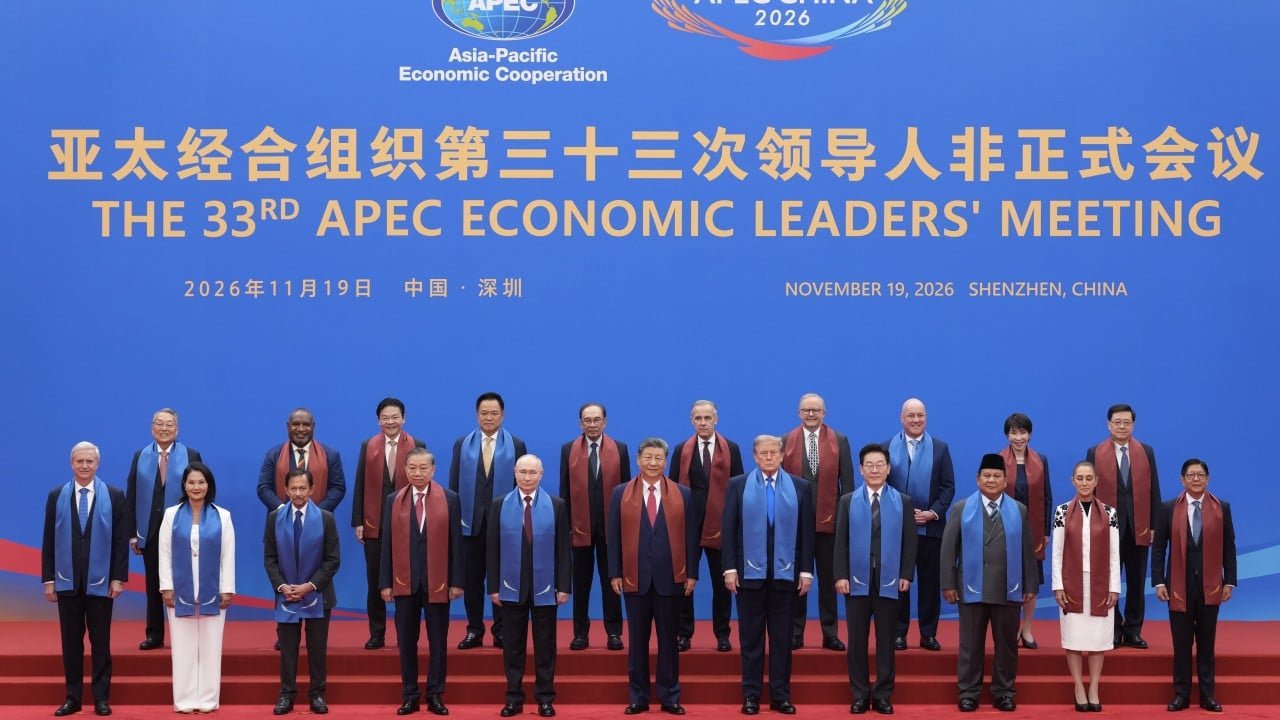
Statecraft relies on non-verbal signaling when formal communiqués stall, and the customized silk scarves distributed to leaders at the Shenzhen Asia-Pacific Economic Cooperation (APEC) summit function as a calculated instrument of soft-power projection. Rather than serving as mere decorative souvenirs, these textiles operate as wearable diplomatic architecture designed to communicate regional integration, historical continuity, and industrial sophistication to a global audience. By encoding specific botanical, maritime, and architectural motifs into traditional Chinese silk—specifically drawing upon Cantonese and Lingnan heritage—the host nation transforms a routine photo opportunity into a structured geopolitical statement. Understanding this visual language requires separating surface-level aesthetics from the underlying strategic objectives of host-nation branding, economic signaling, and consensus building.
The Architecture of Sartorial Diplomacy
In international relations, the tradition of the APEC "family photo" in host-country attire—initiated at the 1993 Blake Island summit in the United States—serves a specific structural function. It temporarily strips away the standardized Western business suit, which acts as the default uniform of globalized capital, and replaces it with a localized visual grammar. This shift forces participating heads of state to physically embody the host nation's cultural narrative, creating an immediate visual consensus that often precedes actual policy alignment.
At the Shenzhen summit, the selection of silk scarves rather than full-body garments represents a deliberate calibration of this tradition. Full ceremonial garments carry high friction; they risk looking costumey, can provoke domestic backlash for visiting leaders, and frequently clash with individual tailoring. A silk scarf or stole eliminates these logistical and optical risks while retaining high visual surface area in broadcast media. It sits directly within the upper-third framing of television cameras and press photography, ensuring that the encoded motifs remain visible alongside the leaders' faces during close-up shots.
The material choice itself—mulberry silk—carries distinct economic and historical weight. Silk is the foundational commodity of the ancient overland and maritime trade routes that Beijing actively references in its modern infrastructure and trade diplomacy. By presenting leaders with high-grade silk engineered in Guangdong province, the hosts link contemporary digital and manufacturing supply chains directly to two millennia of uninterrupted commercial exchange.
Deconstructing the Visual Grammar
To analyze the specific scarves worn at the Shenzhen summit, one must break down the design into three distinct semiotic layers: material provenance, regional motif integration, and color theory. Each layer addresses a separate stakeholder group, ranging from domestic audiences to regional trade partners.
Layer One Material Provenance and Craftsmanship
The physical substrate of the Shenzhen scarves relies on specialized regional weaving techniques, notably variations of Lingnan silk craft and Xiangyunsha (gambiered Guangdong gauze), or high-density jacquard weaves produced in the Pearl River Delta. The distinction between standard printed silk and woven jacquard is critical in diplomatic gifting. Printed silk places ink on top of the fiber, making it susceptible to fading and flat under harsh broadcast lighting. Jacquard weaving integrates the pattern directly into the structural matrix of the textile using complex loom programming.
This technical choice communicates industrial capability. Shenzhen is globally recognized as a hardware, telecommunications, and innovation hub rather than a traditional agrarian or handicraft center. By utilizing advanced textile engineering to render traditional patterns, the design bridges the gap between heritage preservation and modern manufacturing precision. It signals that the region's economic transition toward high-tech industries has not severed its mastery over foundational materials.
Layer Two Botanical and Maritime Motifs
The graphic elements woven into the Shenzhen summit scarves systematically avoid aggressive nationalist iconography in favor of shared regional and natural symbols. Three primary motif categories dominate the visual field:
- The Bougainvillea (Bougainvillea spectabilis): As the official city flower of Shenzhen, the bougainvillea serves as the primary geographic anchor. Botanically, the plant is resilient, thrives in subtropical coastal climates, and blooms continuously throughout the year. In diplomatic semiotics, it represents rapid growth, adaptability, and vitality—an explicit parallel to Shenzhen's transformation from a collection of fishing villages in 1980 into a premier global technology metropolis.
- Maritime Wave and Cloud Patterns: Stylized water ripples and auspicious clouds (xiangyun) frame the borders of the textiles. Shenzhen sits on the eastern shore of the Pearl River Estuary, adjacent to Hong Kong, functioning as a primary maritime gateway for the Asia-Pacific region. Wave motifs visually reinforce the concept of maritime connectivity, open sea lanes, and fluid cross-border trade, directly countering narratives of economic decoupling or protectionism.
- Subtle Architectural and Connectivity Lines: Fine geometric threads often intersect the organic floral patterns, mimicking both traditional Chinese lattice work and modern circuit boards or shipping routes. This duality visually equates traditional social harmony with modern logistical efficiency.
Layer Three Chromatic Signaling and Gender Differentiation
Color selection in diplomatic textiles is governed by strict cultural protocols and broadcast optics. The Shenzhen scarves utilize distinct palettes tailored to male and female leaders, as well as spouses, balancing traditional Chinese color symbolism with international diplomatic neutrality.
- Deep Sapphire and Indigo: Frequently deployed for male leaders' scarves or pocket squares, deep blue projects stability, maritime depth, and institutional trust. On camera, saturated blues absorb excess studio glare and contrast cleanly against dark charcoal or navy suits, ensuring the pattern reads clearly without overwhelming the wearer.
- Crimson, Coral, and Champagne Gold: Often utilized in the wider stoles created for female leaders and spouses, warm reds and golds draw directly from traditional Chinese celebratory palettes. In regional semiotics, red signifies prosperity and momentum, while muted gold suggests enduring value. Crucially, the designers typically desaturate these tones—shifting from neon scarlet to terracotta or burgundy—to maintain sartorial restraint and avoid clashing with diverse skin tones under flash photography.
- Jade and Celadon Accents: Pale green undertones reference historical Chinese ceramics, which were primary export goods alongside silk. Visually, celadon introduces a calming counterpoint to warmer tones, reinforcing themes of environmental sustainability and green development—key agenda items at modern APEC gatherings.
The Strategic Cost Function of Diplomatic Gifting
Designing and deploying state gifts at a multilateral summit involves managing a strict strategic cost function. The host nation must maximize cultural projection while minimizing diplomatic friction. If the symbolism is too overt, participating nations may view the attire as an ideological imposition, leading to subtle pushback—such as leaders wearing the items awkwardly, removing them immediately after the photo call, or facing domestic media ridicule.
Historically, APEC attire has occasionally failed this test. Oversized ponchos in Santiago (2004) or stiff, heavily embroidered tunics in Hanoi (2006) generated viral commentary that distracted from the summits' economic declarations. The Shenzhen design mitigates this risk through low-friction ergonomics. A lightweight silk scarf requires zero structural tailoring, accommodates all body types, and allows leaders to retain their own preferred suits or dresses underneath.
Furthermore, the production scalability of high-end silk accessories allows the host nation to extend the semiotic reach beyond the 21 economic leaders. Identical or derivative versions of the summit scarves are routinely distributed to ministerial delegations, accredited media, and business advisory council members. This creates a tiered diffusion of the visual brand: the heads of state validate the prestige of the object on the global stage, while hundreds of secondary attendees carry the physical artifact back into corporate and governmental networks across the Pacific Rim.
Mechanisms of Soft Power and Economic Signaling
The true utility of the Shenzhen scarves lies in how they operationalize soft power without requiring explicit verbal negotiation. In international trade talks, direct assertions of economic dominance or geopolitical centrality often trigger defensive postures from competing powers. Material culture bypasses these cognitive defenses.
When a visiting head of state drapes a Shenzhen-woven silk scarf over their shoulders, three distinct communicative mechanisms activate simultaneously:
- Implicit Endorsement of Local Supply Chains: Wearing a luxury textile manufactured in the host city serves as a tacit acknowledgment of local quality standards. For a manufacturing hub seeking to move up the global value chain from assembly to high-margin design and branding, having world leaders model local products provides unmatched third-party validation.
- Visualizing the "Community of Shared Future" Doctrine: Multilateral summits frequently suffer from an abstraction problem; trade facilitation agreements, digital economy frameworks, and tariff reductions do not photograph well. By uniting disparate leaders under a cohesive aesthetic motif—specifically one featuring interconnected waves and shared regional flora—the host nation manufactures a tangible visual metaphor for multilateral cooperation.
- Historical Anchoring of Modern Initiatives: Shenzhen is the flagship city of the Guangdong-Hong Kong-Macao Greater Bay Area, an ambitious economic integration plan designed to rival Tokyo Bay and the San Francisco Bay Area. Because Shenzhen lacks the ancient imperial architecture of Beijing or Xi'an, it faces a historical legitimacy deficit in traditional diplomatic framing. Importing classic Lingnan silk heritage into Shenzhen's visual presentation artificially supplies this historical depth, positioning the young tech hub as the natural inheritor of ancient maritime trade networks.
Limitations of Semiological Statecraft
While the strategic deployment of customized textiles achieves high visibility, analytical rigor requires acknowledging the strict operational limits of sartorial diplomacy. Visual symbolism is a lagging indicator of geopolitical alignment, not a driver of it.
First, semiotic consensus cannot override structural economic friction. A shared aesthetic during a ten-minute photo opportunity does not resolve disputes over semiconductor export controls, intellectual property enforcement, maritime territorial claims, or industrial subsidies. When substantive policy gaps remain wide, the visual unity of the summit attire often highlights the disparity between ceremonial harmony and operational reality, opening the host nation to critiques of superficiality.
Second, decoding efficiency varies wildly across global audiences. While domestic Chinese audiences and regional East Asian observers readily recognize the cultural weight of Lingnan silk, bougainvillea motifs, and auspicious cloud borders, Western broadcast audiences frequently consume these visuals without contextual translation. Without aggressive, coordinated public diplomacy explaining the craftsmanship and symbolism, the intricate semiotic engineering risks being flattened into generic "traditional dress" by international press outlets.
Third, the tactile and material focus on silk carries latent supply-chain scrutiny. Modern global audiences and media organizations routinely audit state gifts for labor practices, environmental sustainability in sericulture, and raw material sourcing. Any discrepancy between the eco-friendly messaging of the summit and the industrial realities of textile dyeing or production can invert the intended soft-power gain into a reputational liability.
Strategic Framework for Summit Branding
For state protocol teams, event architects, and strategic communications directors managing high-level multilateral gatherings, the Shenzhen APEC scarf deployment offers a replicable blueprint for visual statecraft. Future host nations should execute the following four-step protocol to maximize semiotic return on investment:
- Prioritize Low-Friction Accessories Over Full Garments: Abandon full-body ceremonial attire in favor of high-visibility accessories—scarves, stoles, ties, or lapel pins—that integrate seamlessly with standard diplomatic tailoring. This eliminates sizing errors, prevents visual awkwardness, and increases the probability that leaders will wear the items beyond the mandatory photo call.
- Anchor Design in Hyper-Local Economic Strengths: Select materials and fabrication methods that directly reflect the host city's primary industrial or technological competitive advantage. If the host city leads in advanced materials, sustainable textiles, or precision manufacturing, the physical gift must serve as a functional proof-of-concept for those exact sectors.
- Encode Multi-Tiered Motifs: Structure the visual design across three clear layers: a local geographic marker (flora or topography), a regional connectivity symbol (water, trade routes, or constellations), and a restrained chromatic palette optimized for high-definition broadcast lighting. Avoid overt political slogans or polarizing historical references.
- Deploy Synchronized Media Toolkits: Never rely on the visual artifact to speak for itself. Distribute concise, technical press briefings detailing the material science, artisan heritage, and semiotic breakdown of the attire to international correspondents 24 hours prior to the family photo. Providing journalists with pre-packaged cultural context ensures that global captions reinforce the host nation's intended strategic narrative rather than defaulting to superficial fashion commentary.