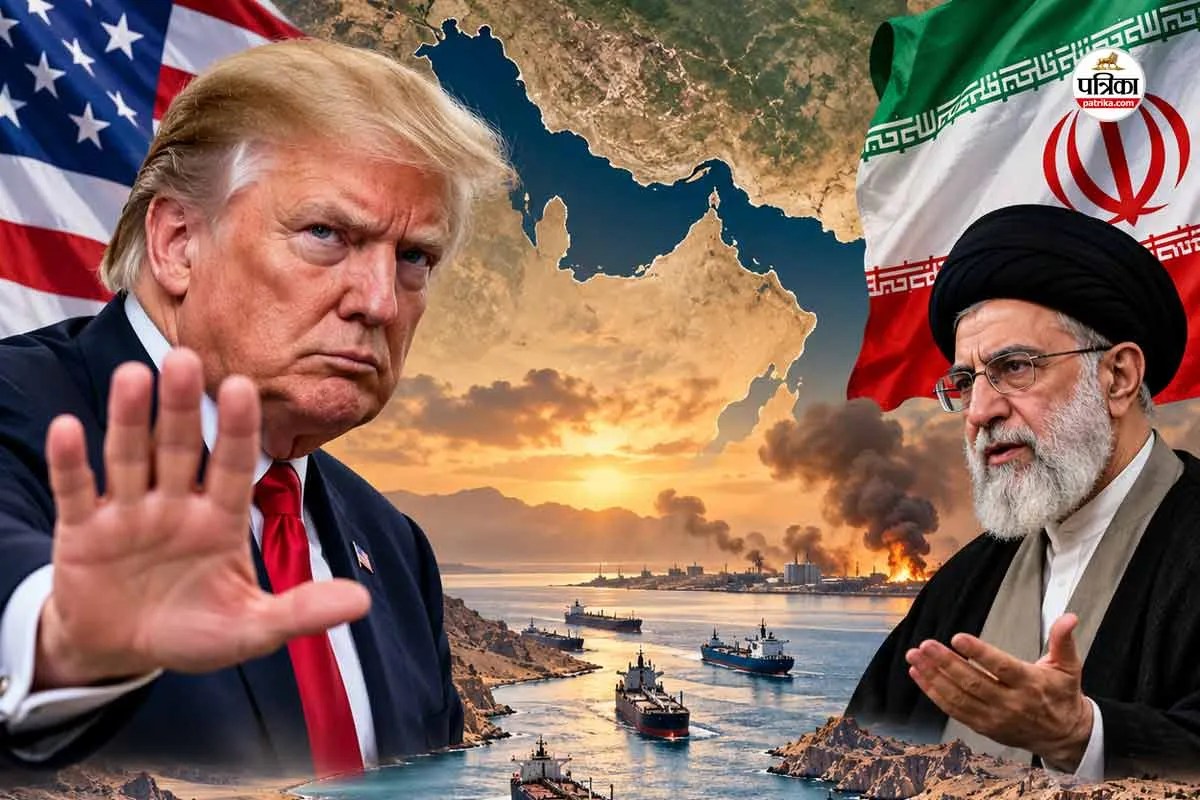
The ongoing confrontation in the Strait of Hormuz represents a complex intersection of naval choke-point economics, asymmetric military positioning, and stalled nuclear diplomacy. To deconstruct the mechanics of this crisis, one must look past political rhetoric and examine the operational constraints dictating the behavior of both Washington and Tehran. The current equilibrium is defined less by formal peace treaties and more by a delicate balance of military deterrence, maritime security operations, and the high cost of energy disruptions.
The Mechanics of Maritime Choke-Point Control
The Strait of Hormuz functions as the world's most critical energy artery, transporting a substantial fraction of globally traded petroleum. When conflict disrupts traffic through this narrow corridor, the immediate consequence is a systemic shock to global supply chains and inflation metrics.
The operational realities of securing this waterway involve two competing strategies:
- The Denial Strategy: Utilizing asymmetric naval assets, coastal missile batteries, and sea mines to impose high risk on commercial transit. This approach aims to weaponize global economic dependence on Middle Eastern oil.
- The Open-Access Strategy: Deploying carrier strike groups and dedicated mine-countermeasure assets to physically clear transit routes and maintain freedom of navigation.
The friction point lies in the verification of safety. While naval authorities report that primary shipping lanes are cleared of hazards, sporadic incidents and persistent threats ensure that maritime insurance premiums and risk assessments remain elevated. This dynamic keeps baseline energy costs higher than pre-conflict baselines, regardless of whether physical transit volumes have partially recovered.
Nuclear Leverage and Diplomatic Stalemate
Diplomatic efforts between the United States and Iran have repeatedly stalled due to fundamentally misaligned prerequisites. From a strategic negotiation standpoint, both sides view concessions through the lens of domestic political vulnerability and long-term security architecture.
- The Iranian Position: Tehran maintains a set of non-negotiable conditions centered around the lifting of naval blockades, the easing of international sanctions, the release of frozen financial assets, and the preservation of its enriched uranium inventory. For the Iranian state, these elements represent vital domestic economic leverage and sovereign deterrence.
- The U.S. Position: The American administrative stance insists that any permanent settlement must comprehensively address the nuclear enrichment program. Recent shifts in rhetoric—such as declarations that formal comprehensive deals may not be immediately required—reflect an alternative posture of containment and deterrence via overwhelming military readiness, avoiding the political costs of a compromised agreement.
This creates a persistent structural deadlock. Iran refuses to allow external verification or the removal of nuclear material while active hostilities and sanctions persist, while the U.S. and its allies maintain that security guarantees cannot precede verifiable disarmament.
Economic Fallout and Regional Spillover
The macroeconomic impact of the Hormuz crisis extends far beyond the immediate combat zone. Energy price volatility directly affects industrial production, consumer price indices, and electoral outcomes in Western nations.
Regional actors, including Gulf states and intermediaries like Qatar and Pakistan, face severe externalities. Their primary objective is the prevention of secondary escalations that could target critical infrastructure, such as desalination plants, AI hubs, or regional energy facilities. Consequently, diplomacy has shifted from grand peace accords to localized de-escalation channels managed by regional brokers attempting to prevent systemic miscalculation.
Strategic Outlook
Resolution of the Hormuz standoff requires a fundamental recalibration of the cost functions governing both parties. As long as Iran maintains the capability to disrupt regional shipping and advance its strategic deterrent, and as long as Washington prioritizes absolute nuclear non-proliferation over fragile diplomatic compromises, the situation will remain in a controlled holding pattern. The trajectory depends on the durability of maritime security patrols, the enforcement of economic containment, and the ability of regional mediators to insulate commercial transit from broader geopolitical friction.