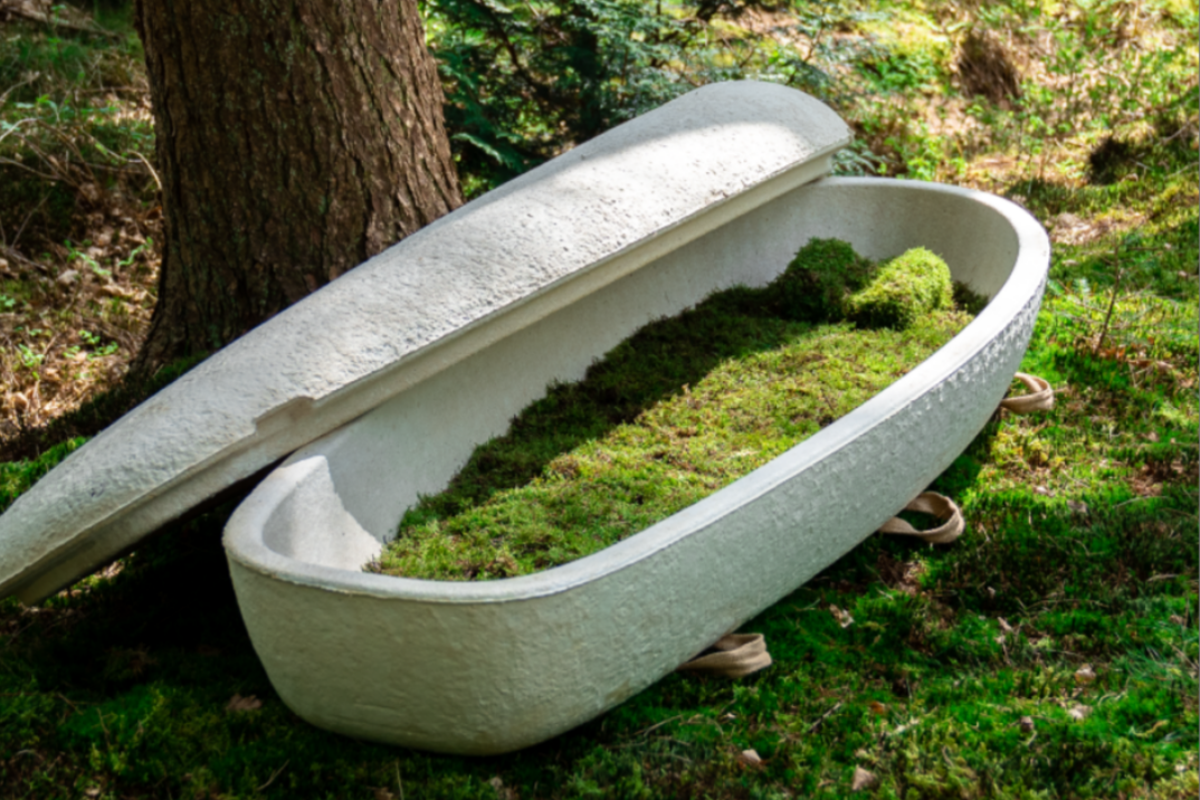
The standard disposition model for human remains relies on industrial carbon expenditure or chemical preservation, creating a rigid equilibrium that urban density and environmental regulation are beginning to strain. When a Sydney resident recently became the first in Australia to be interred using a mushroom mycelium coffin, the event was frequently framed in lifestyle media as an eccentric ecological gesture. This framing misinterprets the mechanism. The adoption of organic decomposition vectors is a structural adaptation to land scarcity, municipal emissions caps, and the rising capital expenditure of traditional burial plots.
Deconstructing this shift requires examining the transition away from fossil-fuel-intensive cremation and slow-degradation timber caskets toward accelerated biological recycling. Traditional interment methods impose significant externalities on municipal planners and grieving families alike. By evaluating the material science of fungal decomposition alongside the regulatory bottlenecks of cemetery management, the economic and ecological rationale for mycelium-based burial becomes clear.
The Material Economics of Conventional Interment
Evaluating the baseline practices of the death care industry exposes structural inefficiencies in resource allocation. Standard burials utilize hardwoods, metal fasteners, and concrete vaults designed to resist natural decay. This material composition creates a closed system where organic matter is preserved rather than recycled, compounding land usage problems in metropolitan areas where cemetery expansion is geographically bounded.
Cremation shifts the environmental burden from land utilization to atmospheric emissions. The thermal energy required to reach temperatures between eight hundred and one thousand degrees Celsius demands substantial natural gas or electricity inputs. Furthermore, each cremation releases carbon dioxide, mercury from dental amalgams, and particulate matter, forcing regulatory bodies to consider future carbon taxation or emissions limits on crematoria.
The introduction of biodegradable containment units alters this cost function. A mushroom coffin functions as a biological catalyst. Grown from agricultural waste bound by vegetative fungal threads, or mycelium, the structure transforms the body into available nutrients for surrounding flora without requiring chemical embalming fluids that otherwise leach into local water tables.
The Biological Mechanism of Mycelium Re-engineering
Understanding how a fungal casket operates requires examining the physiology of saprotrophic fungi. Unlike wood-decaying organisms that target specific structural polymers over decades, engineered mycelium matrices are optimized for high-speed structural integrity followed by rapid enzymatic breakdown upon burial.
The production process utilizes agricultural byproducts such as hemp hurds, sawdust, or straw. Inoculated with mushroom spores, the substrate occupies a mold for approximately two weeks, consuming the organic waste and knitting together into a rigid, lightweight composite. Once baked to halt growth, the resulting structure possesses load-bearing capacities sufficient for pallbearer transit while remaining entirely porous to ambient soil moisture.
Upon interment, subterranean microbial and fungal networks colonize the coffin walls. The decomposition timeline accelerates because the material is already partially digested by the fungal species used in manufacturing.
- Moisture Activation: Soil humidity reactivates enzymes within the dormant mycelium matrix.
- Cellular Breakdown: Fungal hyphae penetrate cellular walls, neutralizing toxins commonly introduced by chemical preservation.
- Nutrient Transfer: Organic compounds from the remains are converted into bioavailable nitrates and phosphates for plant uptake.
This accelerated breakdown reduces the physical footprint required per capita. Traditional burial sites mandate decades of spacing buffers to ensure complete natural decomposition before plot reuse. Biological containment shortens the active decay cycle, presenting municipal authorities with a potential pathway toward higher-density urban cemetery management.
Regulatory and Cultural Friction Points
Transitioning municipal infrastructure toward biological interment encounters significant institutional inertia. Death care legislation across Australian jurisdictions was drafted under the assumption of permanent preservation or high-heat reduction. Current regulations often mandate specific structural minimums for caskets to prevent ground subsidence in public cemeteries, creating compliance barriers for lightweight, organic alternatives.
Cemetery trust operators manage risk through standardized protocols. A casket must withstand dynamic loads during lowering operations and resist premature environmental degradation before the service concludes. Mycelium structures meet initial tensile requirements through engineered density, but public perception often conflates biodegradability with structural fragility.
Consumer adoption operates on a separate curve. While ecological consciousness drives initial market inquiry, the primary driver for alternative disposition methods remains economic efficiency and personal alignment with sustainability metrics. Families balancing rising plot acquisition costs against long-term environmental impact increasingly view biological coffins as a rational hedge against the escalating fees of traditional memorial parks.
Scaling Constraints and Supply Chain Realities
Commercializing mushroom-based burial containers involves distinct supply chain logistics. Unlike mass-produced medium-density fiberboard or steel caskets, organic growth cycles dictate production throughput. Batches cannot be rapidly accelerated without compromising the structural density of the mycelium bond.
Geographic distribution presents another vector of friction. Because these units are manufactured from localized agricultural waste, production hubs must be situated near major metropolitan centers to minimize transport emissions, which would otherwise negate the ecological advantages of the product.
Municipalities facing finite cemetery boundaries must weigh capital investments in new land acquisition against regulatory updates that permit high-density, rapid-decomposition zones. As urban centers continue to densify, the economic pressure to optimize every square meter of consecrated ground will force urban planners to dismantle legal barriers restricting biological burial alternatives.
Integration of mycelium containers into standard funeral home offerings depends on logistical normalization. When handling procedures, transportation tolerances, and pricing parity match those of conventional low-end timber options, adoption transitions from a niche novelty to an accessible operational standard.
Deploy municipal planning resources to audit existing cemetery zoning regulations, specifically identifying clauses that mandate non-porous structural containment, and amend these guidelines to permit certified biodegradable organic vessels within designated conservation burial sections.


