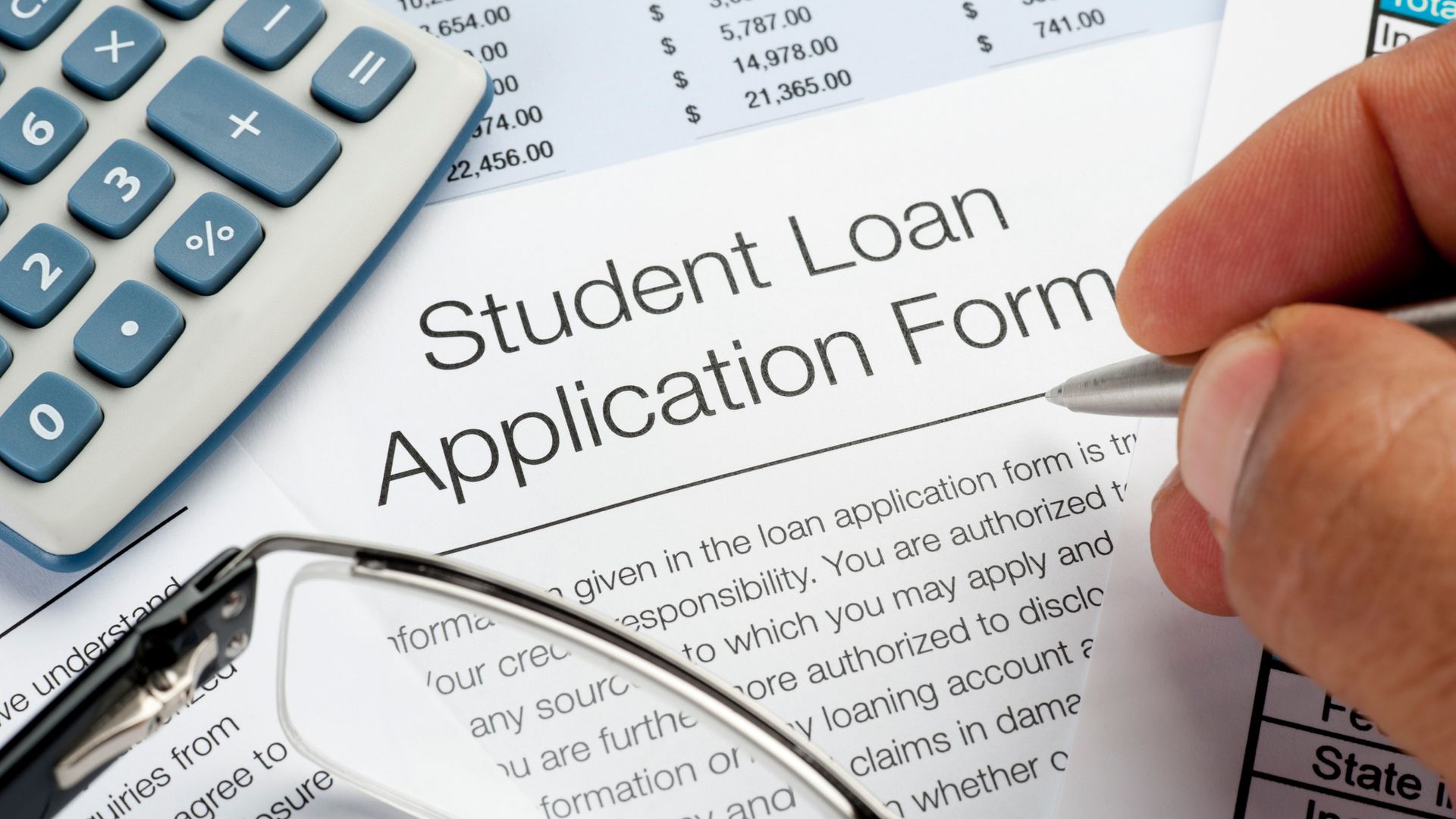
Imagine opening an envelope and finding a demand for £18,000 you don’t have. For most students, that’s not just a debt; it’s a life-altering disaster. This isn't some hypothetical math problem. It’s the reality facing a student who was told their funding was a mistake and they had to pay it back immediately. When the Student Loans Company (SLC) messes up, they don't just send a polite apology. They send a bill that can force families to consider selling their homes.
The system is broken. We’re told that education is a ladder to a better life, but for many, it’s becoming a financial trapdoor. If you're relying on Student Finance England or similar bodies, you're essentially entering a contract where the other party can change the rules—or admit they misread them—years after the ink has dried. You spend the money on rent, books, and food. Then, they decide you weren't eligible in the first place.
The Brutal Reality of Funding Recalculations
Most people think student debt is something you pay back slowly once you’re earning a decent wage. That’s the "plan." But "overpayments" are a completely different beast. If the SLC determines they’ve paid you too much due to an administrative error or a change in your status, they often want that money back now. They don't care if you've already spent it on your second-year housing.
Take the case of the student facing an £18,000 bill. This wasn't a case of fraud. It was a bureaucratic blunder regarding eligibility. One day you’re a student focused on exams; the next, your parents are looking at real estate listings because the government wants its "error" corrected at your expense. It’s cold. It’s calculated. Honestly, it’s terrifying.
The SLC has immense power. They can offset overpayments against your future grants or loans, leaving you with zero income for the next academic year. Or, if you’ve finished your studies, they can pass the debt to collection agencies. The psychological toll is massive. You’re fighting a giant machine that has all the data and very little empathy.
Why These Errors Happen So Often
The eligibility criteria for student finance are a tangled mess of residency rules, household income thresholds, and previous study regulations. It's easy for an assessor to tick the wrong box.
Common triggers for these massive "clawbacks" include:
- Migrant worker status changes that the SLC didn't process correctly at the start.
- Years of previous study at a different institution that weren't properly accounted for.
- Miscalculations of "long courses" or clinical placement funding.
- Delays in processing evidence of household income.
The problem is that the SLC often clears students for funding at the start of the year, only to "re-assess" them months or even years later. By the time they realize their mistake, the student has already committed to a lease and tuition fees. You're stuck. You've acted in good faith on their approval, but legally, that doesn't always protect you.
The Human Cost of Bureaucratic Incompetence
When we talk about £18,000, we aren't just talking about numbers on a screen. We’re talking about a mother who has worked 20 years to pay off a mortgage suddenly facing the prospect of losing her house. We're talking about students dropping out because they can't afford to eat, let alone pay back five-figure sums.
The SLC’s "vulnerability" policies are often criticized for being too rigid. They claim to help those in hardship, but the definition of hardship is incredibly narrow. If you have any assets at all—like a family home—they might expect you to tap into that equity. It’s a scorched-earth policy that treats students like delinquent debtors rather than people who were simply following the instructions they were given.
I've seen cases where students were told they were eligible for three years, only for the SLC to change their minds in the final semester. How are you supposed to plan a life when the ground beneath you is constantly shifting? It’s not just a funding error; it’s a betrayal of trust.
How to Fight Back Against an Overpayment Demand
Don't just roll over and accept the bill. If you get a letter saying you owe thousands due to an SLC error, you need to go into battle mode. The system relies on people being too intimidated to argue.
First, ask for a full breakdown. Don't accept a vague "eligibility change" excuse. You need to see exactly which regulation they're citing and why it suddenly applies now when it didn't before. If the error is entirely theirs—meaning you provided all the correct information and they simply messed up—you have a much stronger case.
You should immediately look into the "Internal Appeals" process. There are usually three stages.
- The formal appeal to the SLC.
- An independent assessor’s review.
- The Parliamentary and Health Service Ombudsman.
The Ombudsman is your best friend here. They look at "maladministration." If the SLC gave you incorrect advice and you relied on that advice to your financial detriment (a concept known as "estoppel"), the Ombudsman can tell them to write off the debt or at least stop the immediate collection.
Practical Steps to Protect Your Finances
If you're currently a student, don't assume the money hitting your bank account is "safe" just because it’s there.
Check your entitlement letters against the official guidance on the GOV.UK website. If something looks too good to be true—like getting a maximum grant when your parents earn a high income—flag it immediately. Saving an email where you questioned the amount can be literal gold if they try to claim you "should have known" it was an error later.
Keep every piece of paper. Every email. Every log of a phone call. If an advisor tells you something over the phone, ask them to send it in an email. Verbal promises from the SLC are worth nothing in an appeal. You need a paper trail that shows you acted with total honesty.
If you’re already facing a demand:
- Stop all communication over the phone. Shift to email or letters so everything is documented.
- Contact your university’s student money advice team. They deal with this daily and know the specific wording that gets the SLC to back off.
- Reach out to your MP. The SLC is a government-funded body, and nothing makes them move faster than an inquiry from a Member of Parliament.
- Do not agree to a payment plan you can't afford. Once you start paying, you’re often seen as accepting the debt.
The threat of losing a home over a student loan error is a disgrace. It shouldn't happen, but it does. Your only defense is to be more organized and more stubborn than the bureaucracy trying to bankrupt you. Start your appeal today, involve your MP, and don't let them treat their mistake as your debt.