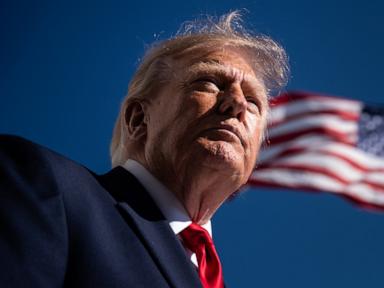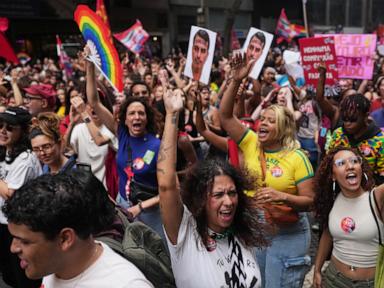
Political opposition in urban centers operates through structured cycles of mobilization, institutional friction, and generational signaling. When student organizations in Rio de Janeiro mobilize against the hypothetical resurgence of a Bolsonaro presidency, the dynamic extends beyond transient street protest. It represents a calculated signaling game designed to constrain political capital, harden ideological boundaries within universities, and influence legislative leverage points months before electoral cycles formalize.
To deconstruct this phenomenon, we must move past emotional rhetoric and evaluate the structural vectors driving student activism in contemporary Brazil. Activism among university demographics functions as an early-warning indicator of broader polarization, illustrating how ideological friction translates into operational resistance.
The Structural Drivers of Student Mobilization
Student movements in metropolitan hubs like Rio de Janeiro are rarely spontaneous outbreaks of civic sentiment. They are shaped by distinct institutional pressures, ideological networks, and collective memory regarding federal governance.
[Federal Policy Vector]
       │
       ▼
[University Autonomy & Budget Friction]
       │
       ▼
[Student Union Network Activation]
       │
       ▼
[Street Mobilization & Electoral Signaling]
The friction points can be categorized into three operational pillars:
- Resource Allocation and Institutional Autonomy: Higher education institutions in Brazil rely heavily on federal funding frameworks. Shifts in executive administration directly impact research grants, infrastructure maintenance, and administrative budgets. Student bodies react to perceived threats of funding contraction or ideological interference in curriculum design.
- Ideological Polarization as a Network Effect: University campuses act as high-density information networks. Once a critical mass of political alignment is reached, the cost of non-participation rises for student leaders. Mobilization serves as a mechanism to reinforce in-group solidarity and maintain structural influence within academic governance structures.
- Signaling to National Parties: Student unions maintain historical ties with opposition parties, particularly the Workers' Party and allied leftist coalitions. Marches in urban corridors function as proxy indicators of youth engagement, providing national political actors with qualitative data on grassroots mobilization capacity.
The Cost Function of Political Resistance
Mobilization carries clear trade-offs and structural limitations. Understanding why student groups choose street protests over institutional lobbying requires analyzing their tactical constraints.
Direct legislative lobbying requires established institutional access, bureaucratic expertise, and prolonged compromise—variables that do not align with the transient nature of a student demographic characterized by high turnover. Street mobilization, conversely, offers immediate visibility, media saturation, and low barriers to entry for participants.
However, this strategy introduces a diminishing returns dynamic. Frequent marches without clear legislative objectives risk alienating moderate urban populations who prioritize economic stability and security over ideological confrontation. When protests disrupt transit networks in Rio de Janeiro, public sentiment often shifts toward demanding order, inadvertently strengthening the political narratives of law-and-order conservative candidates.
Anticipating Electoral Friction
The political efficacy of student-led resistance depends on its ability to translate street visibility into structural electoral coalitions. Historically, youth mobilization creates high initial momentum but struggles to maintain coherence during policy implementation phases.
Political strategists monitoring these movements must look past attendance figures and evaluate institutional integration. The durability of student opposition will be measured not by the volume of chants in city centers, but by how effectively these networks coordinate voter registration drives, secure media narratives, and integrate their policy demands into broader coalition platforms ahead of the next national contest.