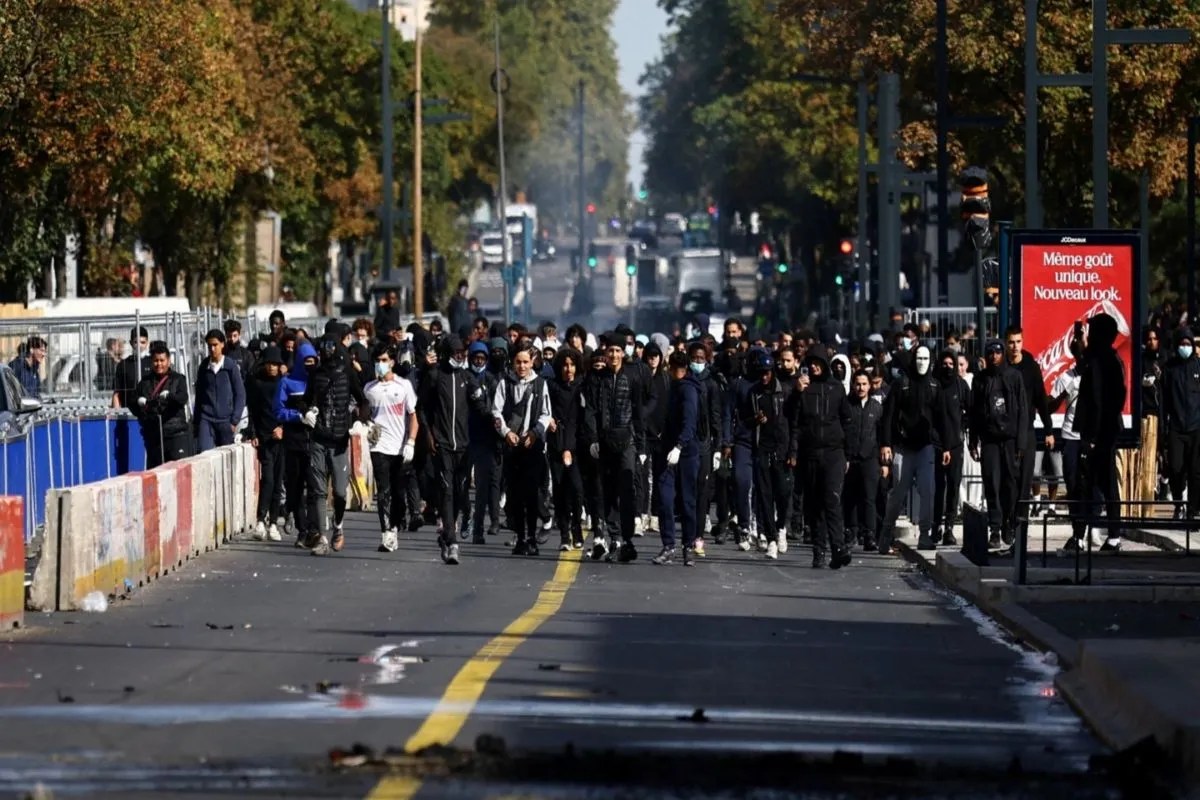
When a 15-year-old student stepped outside during high school protests in northern France, nobody expected the day to end in a life-altering medical tragedy. A violent clash between demonstrators and riot police escalated into chaos, leaving a teenager with a severed hand after a police-deployed explosive device detonated. It is a brutal reminder of how quickly civic discontent can spiral into absolute devastation.
The incident has ignited nationwide fury, forcing the French government into defensive damage control while exposing deep cracks in the country's public education and security apparatus. Recently making waves in this space: How FlyDubai Flight 981 Exposed Aviation Security Flaws Everyone Ignored.
Why French Students Took to the Streets
You cannot understand the explosion of violence without looking at the underlying trigger. Across major French cities, students mobilized to protest decaying school infrastructure, severe staff shortages, and chronic underfunding. Generations of students have dealt with leaking roofs, overcrowded classrooms, and outdated facilities. What started as localized walkouts and peaceful blockades quickly snowballed into a mass movement.
Frustration boiled over into anger against the administration. When thousands of minors locked down school gates and marched through city centers, the response from authorities wasn't dialogue—it was containment. More details on this are covered by Associated Press.
The Dangerous Weapon at the Center of the Storm
The flashpoint of the outrage centers on the use of high-powered crowd control equipment, specifically stun grenades and dispersal munitions. Security forces deployed these devices to break up student blockades and scatter crowds.
In the chaotic aftermath of the blast that mutilated the 15-year-old's hand, conflicting narratives emerged. Police union sources claimed the teenager had bent down to pick up a live device. Eyewitnesses and peers fiercely disputed that version, insisting the youth was simply caught in the immediate blast radius of a projectile thrown directly into a tight cluster of minors.
The fallout was immediate. Facing severe public pressure and accusations of institutional brutality, French authorities announced an emergency suspension on using these specific stun grenades during school protests. But for many citizens and labor unions, a temporary ban feels too little, too late.
Escalating Tensions and Mass Arrests
The tragedy in the north isn't an isolated event. It sits inside a wider wave of civil unrest that has gripped France, resulting in thousands of arrests—a staggering percentage of them minors.
Property damage has surged, with several schools suffering arson attacks, and clashes leaving dozens of police officers and staff members injured. Rights groups have condemned the state's heavy-handed tactics, pointing out that deploying military-grade crowd control tools against teenagers is bound to end in catastrophe.
The government finds itself caught between maintaining public order and addressing legitimate grievances. Officials argue that peaceful demonstrations have been hijacked by violent agitators intent on urban destruction. Meanwhile, protesters argue that the state is criminalizing youth dissent.
Where Things Stand Now
The physical injuries will heal for some, but the psychological and political scars left by these protests will linger for years. When the state relies on explosive force to manage teenagers demanding better classrooms, trust breaks down completely.
Solving this crisis requires more than temporary bans on crowd control gear or defensive press conferences. Until structural reforms address the real decay within the public school system, the underlying anger will remain just beneath the surface, waiting for the next spark.