Surviving a wildfire is only half the battle for small business owners in the Okanagan. Just as evacuated proprietors return to their properties in Summerland, British Columbia, an entirely different crisis locks their doors: a severe boil water advisory.
The threat of the Bald Range wildfire forced the District of Summerland to bypass its main water treatment facility to maintain adequate fireflows. Untreated water rushed into municipal lines, triggering a community-wide boil water notice. While saving homes and infrastructure from flames remains the top priority, the aftermath leaves local establishments facing a brutal economic reality. You can't flip open a restaurant or run a cafe without clean water, and the downtime is bleeding dry operators who rely on peak summer tourism to survive the rest of the year.
The Hidden Costs of a Boil Water Advisory
Most consumers assume that once evacuation orders lift, life simply snaps back to normal. Reality is much messier. For local eateries like Zias Stonehouse Restaurant, unlocking the front door is the easy part. The real hurdles start inside the kitchen.
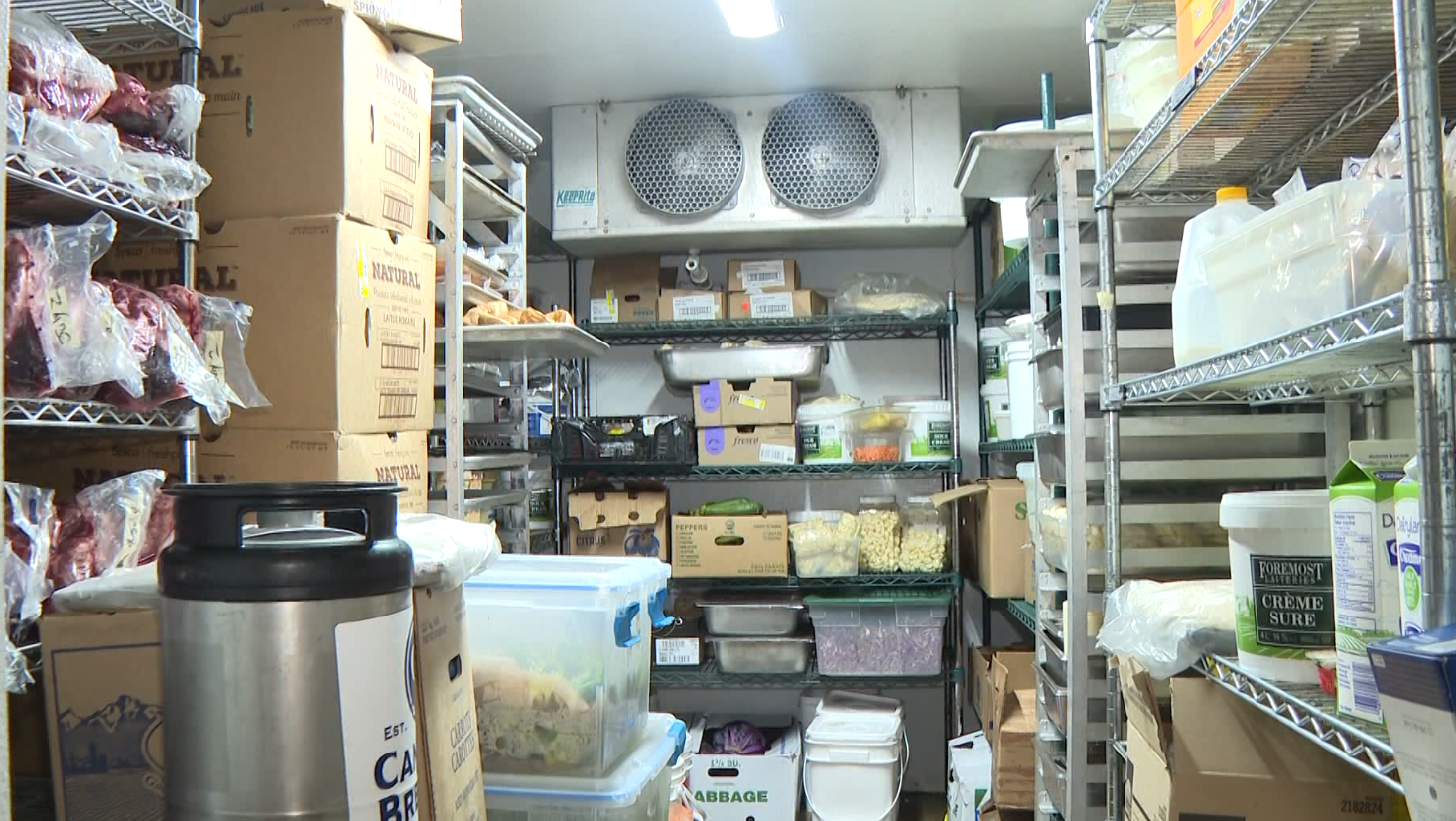
Washing fresh produce, flushing commercial pop lines, and sanitizing cooking surfaces require water standards that untreated municipal supplies simply cannot meet. Toss in power outages caused by nearby fire activity, and commercial refrigerators become expensive trash compactors. Walk-in freezers filled with thousands of dollars worth of inventory face spoilage within hours. Business owners are forced to dump high-grade food products straight into waste bins while racking up fixed costs with zero incoming revenue.
Summerland Mayor Doug Holmes points out that the local commercial sector has taken a massive hit during what should be the most lucrative months of the calendar. When tourism dollars evaporate mid-season, recovery takes years, not weeks.
Why Reopening a Food Business Takes Days, Not Hours
Getting the green light from municipal authorities doesn't mean a restaurant can serve customers immediately. The operational chain is fragile.
- Line Flushing: Every single beverage dispenser, ice machine, and water line must be completely cleared and sanitized.
- Supply Restocking: Spoiled perishables mean placing emergency food orders and waiting on deliveries.
- Staff Scheduling: Employees are left in limbo, anxious to return to shifts and earn a paycheck.
Without clean municipal water, dishwashing setups fail health inspection standards. Commercial three-compartment sinks require specific chemical sanitization cycles or high-temperature heat rinses that depend entirely on steady, safe water pressure and quality.
Moving Forward Through Infrastructure Realities
Climate-driven emergencies expose how deeply modern commerce relies on municipal infrastructure. When natural disasters threaten treatment plants, the margin for error shrinks to zero. Summerland establishments are currently paying the price for those emergency bypass measures.
For patrons wanting to support local operators, the best approach is keeping an eye on community announcements and visiting the moment doors safely reopen. Small businesses form the backbone of the Okanagan economy, and surviving this secondary crisis will require every ounce of community backing available.