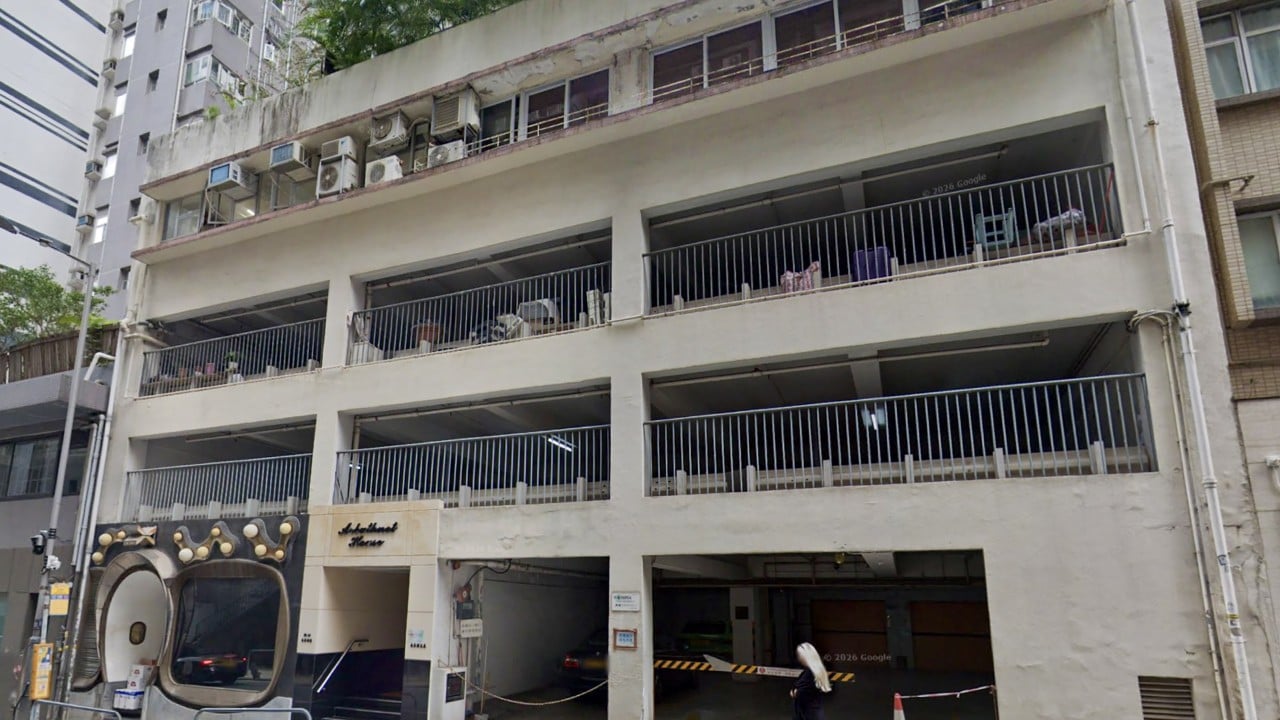
Every real estate pundit in the region just wet themselves over a Swiss heir picking up a retail block in Central Hong Kong. The consensus reads like a synchronized press release from a commercial brokerage. They call it a rare vote of confidence. They whisper about foreign capital validation. They claim it marks the bottom of the market.
They are dead wrong. Meanwhile, you can find other events here: The Price of Shadows Over the Strait.
I have spent twenty years watching legacy family offices light capital on fire because they confuse emotional sentimentality with asset allocation. When old European wealth parachutes into a distressed Asian urban core during a structural downcycle, it is not a triumphant dip-buy. It is a trophy hunt driven by ego, legacy preservation, and an institutional allergy to admitting that physical retail in high-density districts has fundamentally broken.
Let us strip away the headlines and look at the mechanics of what just happened. To understand the bigger picture, check out the detailed report by The Economist.
The Myth of the Trophy Asset Floor
The lazy narrative in every financial daily right now is that prime retail space in Central Hong Kong has a natural valuation floor because physical land is scarce. Scarcity is a lazy proxy for value. A scarcity of horse-drawn carriages in 1910 did not save carriage makers from the Model T.
Central retail is suffering from a structural compression of foot traffic economics, not a temporary liquidity freeze. When local consumers change their shopping vectors, and high-spending mainland tourists pivot toward experiential tourism and duty-free hubs like Hainan rather than luxury shopping bags in Tsim Sha Tsui or Central, storefront yields collapse.
A Swiss heir dropping nine figures on a brick-and-mortar footprint in a market where prime high-street rents have shed forty to sixty percent from their peaks is not hunting yield. Yield is dead in this asset class. They are buying a monument. They want a tangible piece of Asia to put in their portfolio binder to show the board back in Zurich.
Sophisticated capital does not buy trophy assets when the underlying tenancy economics require a miracle to break even. They buy distressed logistics, data infrastructure, or multi-family residential assets in markets with secular tailwinds. High-street retail in Tier-1 Asian financial districts is a shrinking pie. Paying peak-era valuation multiples for a declining cash-flow generator is an expensive exercise in nostalgia.
The Cap Rate Illusion
Let us look at the math the brokers refuse to print.
When you acquire a commercial retail block at a sub-three percent capitalization rate in a high-interest-rate environment, you are engaging in negative carry. You are borrowing or deploying capital that could easily yield four to five percent risk-free in short-term instruments, just to collect a shrinking rental stream from tenants who are desperately trying to renegotiate their leases every twelve months.
The optimist's argument goes like this: interest rates will drop, cap rates will compress further, and the asset value will inflate. This is magical thinking. Central bank rate cuts do not revive dead retail demand. If the tenant base cannot sustain current revenue per square foot because consumer behavior has shifted permanently online and cross-border, lowering the cost of capital does not fix the store's P&L. It just props up a zombie valuation for another quarter before the next lease renewal triggers a fifty percent rent reduction.
I have watched family offices buy into prime urban retail with the exact same justification. Three years later, they are carving up flagship ground-floor spaces into smaller pop-up footprints, leasing to short-term bubble tea shops and discount cosmetics vendors just to keep the lights on. The math never recovers.
The Tenant Trap
Who is actually going to lease this newly acquired space?
The old guard imagines global luxury conglomerates lining up to pay astronomical rents for multi-story flagships. Walk down Queen's Road Central right now. Count the dark windows. Count the tenants pivoting to short-term leases because their cost of customer acquisition in physical stores no longer pencils out against digital channels.
Global luxury brands are rational economic actors. They do not need twenty thousand square feet of marble-clad retail space to acquire a customer anymore. They need experiential touchpoints, targeted digital ecosystems, and agile pop-up locations that can be spun up and torn down in a weekend. Locking yourself into a long-term commercial lease in a high-cost urban core is a liability, not an asset.
When a Swiss heir steps in to buy the building, they are inheriting the landlord's burden of managing tenant distress. Every month that space sits vacant or is leased at a concessionary rate, the internal rate of return bleeds out.
What the Market Is Actually Telling You
If you want to know what is happening to Hong Kong property, stop listening to wealth managers who talk about generational resilience. Look at liquidity velocity. Look at debt service coverage ratios across commercial portfolios. Look at the local banking sector's provisions for commercial real estate exposure.
The market is not signaling a rebound. It is signaling a prolonged, agonizing digestion period where over-leveraged developers and mispriced legacy assets are slowly, painfully being marked to market.
Foreign capital stepping in at this juncture is not a white knight. It is a liquidity valve for local players who are desperate to de-lever and redeploy capital into jurisdictions with actual growth dynamics. The seller in this transaction just executed a masterclass in risk transfer. They handed off a low-yield, structurally challenged physical asset to an emotional buyer with deep pockets and zero operational exit strategy.
Stop celebrating the arrival of foreign heirs. Start asking why local capital is running for the exits.
The next time someone tells you that a trophy asset purchase in Central proves the resilience of the market, ask them to show you the net operating income projection after accounting for tenant churn, fit-out concessions, and the cost of capital. Watch how fast the conversation shifts back to vague platitudes about heritage and long-term vision.
Vision does not pay the debt service. And nostalgia is the most expensive line item on a balance sheet.