The arrest of Zhang Xinyan in Bangkok isn't just another immigration story about an expired visa. It's a loud, clear signal that the safety net for Hong Kong activists in Southeast Asia has officially shredded. If you've been following the saga of the "Hong Kong Parliament," you know the stakes. This group, formed in exile to maintain a democratic flame outside Beijing’s reach, is viewed by Hong Kong authorities as a direct threat to national security. Now, with Zhang facing deportation from Thailand to mainland China, the reality of transnational repression has hit a terrifying new peak.
Let’s be real about what’s happening here. Zhang isn't being picked up because she forgot to renew a stamp at an immigration office. She’s a sworn-in member of an organization that Hong Kong’s National Security Department has branded as "subversive." For activists like her, Thailand used to be a transit point—a place to catch a breath before moving on to the West. That era is over.
The Mirage of UNHCR Protection in Thailand
One of the most jarring details in Zhang’s case is her refugee status. The Hong Kong Parliament claims she holds valid refugee status granted by the UNHCR. In most parts of the world, that should be a "get out of jail free" card regarding deportation to a country where you face persecution.
But Thailand doesn't play by those rules.
Thailand hasn't signed the 1951 Refugee Convention. This is a massive legal loophole that the Thai government uses whenever it suits their diplomatic interests. To Bangkok, you're either a legal visitor or an illegal alien. There’s no middle ground for "political refugee" in their domestic law. We’ve seen this script play out before with Uyghur asylum seekers and even Chinese dissidents like Jiang Yefei. They had UNHCR papers too. They were deported anyway.
If you're an activist holding a blue UNHCR card in Bangkok, you aren't safe. You're just a bargaining chip in a larger geopolitical game between Thailand and China.
Why Zhang Xinyan is a High Value Target
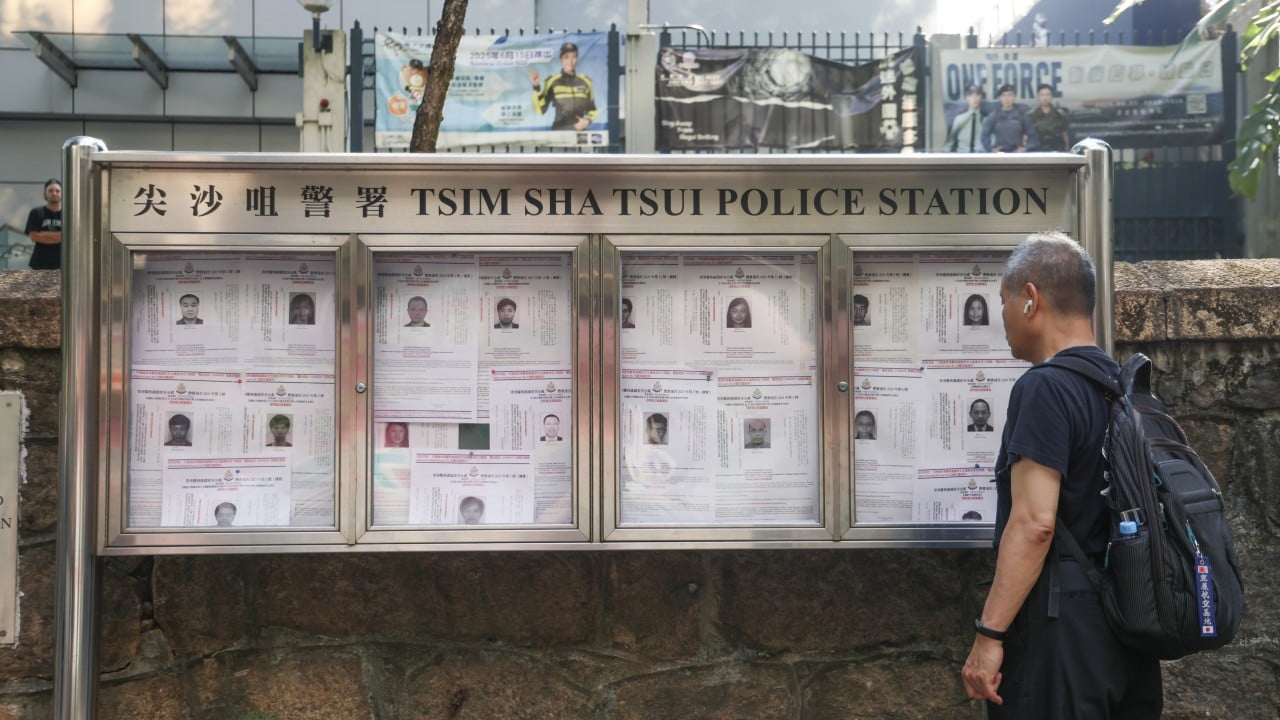
Zhang isn't just a protester who threw a brick in 2019. She’s part of a structured, overseas political body. Hong Kong police didn't just put her on a "wanted" list; they issued a warrant under the Safeguarding National Security Ordinance—the notorious Article 23.
The Hong Kong government’s stance is uncompromising. They’ve stated they’ll "spare no effort" to bring back fugitives. If Zhang is returned, she won't just be the latest arrest. She’ll be the first national security fugitive forcibly returned from a foreign jurisdiction since the 2020 law took effect. That’s a trophy the authorities in Hong Kong and Beijing desperately want to display. It proves their reach isn't limited by borders.
The Growing Reach of the National Security Law
Don't think this only affects high-profile activists. The legal environment in Hong Kong has shifted dramatically in early 2026. New amendments to the National Security Law now allow police to demand passwords and decryption keys from almost anyone suspected of a security offense.
This power doesn't stop at the Hong Kong border. Through "mutual legal assistance" or simply political pressure, these demands are being felt across Southeast Asia. Thailand’s willingness to cooperate with these requests shows a deepening alignment. We're seeing a "convergence" of legal systems where the distinction between Hong Kong law and Mainland Chinese law has basically evaporated.
What This Means for Travelers and Expats
- Digital Privacy: Your phone is now a liability. If you've ever posted anything remotely critical of the HK government, you’re a target if you transit through "friendly" jurisdictions.
- The Transit Trap: Many activists thought transiting through Bangkok was safer than Hong Kong. This arrest proves that logic is dead.
- Vague Definitions: "Seditious intention" is the new catch-all. If authorities want to find a reason to detain you, the law is now broad enough to allow it.
The End of the Road for Overseas Safe Havens
The "Hong Kong Parliament" was supposed to be a safe space for political expression. Instead, it’s become a roadmap for law enforcement. By going public and holding elections, members like Zhang Xinyan effectively handed the authorities a list of names to track. It’s a brave move, sure, but in a world where Thailand prioritizes its relationship with Beijing over international human rights norms, it’s also a dangerous one.
Honestly, the message from Bangkok is unmistakable: We value our ties with China more than your political freedom.
If you’re currently in Southeast Asia and involved in Hong Kong politics, you need to move. Now. Don't wait for your visa to expire. Don't rely on a UNHCR certificate that the local police will ignore. The precedent is being set with Zhang, and if she's on a plane to the mainland, the door slams shut for everyone else.
Get your papers in order for a country that actually recognizes the 1951 Convention. Scrub your devices before you hit an immigration desk. Most importantly, stop assuming that being outside of China makes you untouchable. The long arm of the law just got a lot longer.