Captain Chen stands on the bridge of a vessel that shouldn't be here. Below his boots, the steel hull hums with the vibration of a nuclear reactor, a rhythmic thrum that feels less like an engine and more like a heartbeat. Outside, the world is a monochromatic desert of white and bruised purple. The ice, once an impenetrable fortress of jagged pressure ridges and ancient, blue-tinted floes, is now a crumbling slush. It yields to the prow of the ship with a sound like breaking glass—thousands of miles of glass, shattering under the weight of a changing planet.
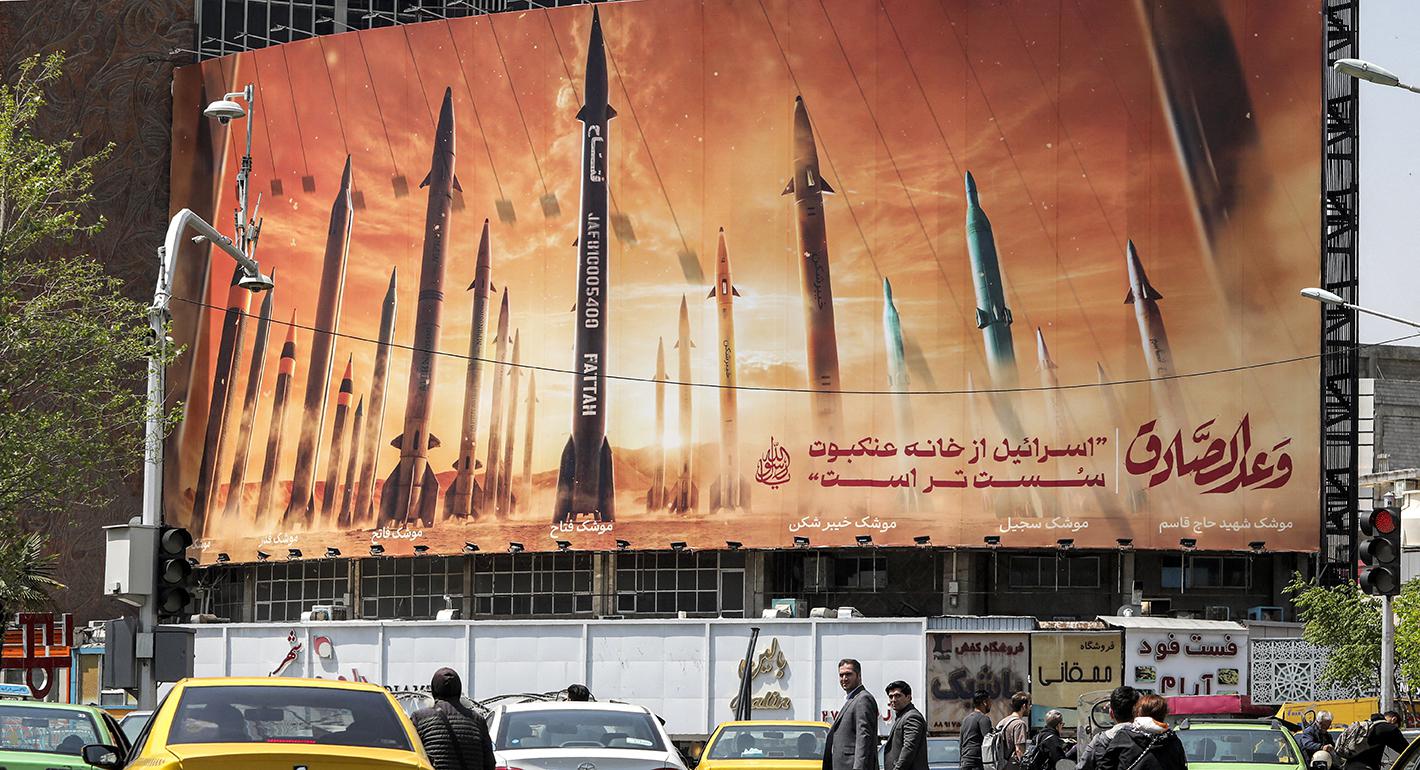
For decades, the Strait of Hormuz was the world’s jugular. A narrow, sweltering choke point where a single stray mine or a political tantrum could send global markets into a seizure. But as the desert sands of the Middle East heat up with more than just sun, the gaze of the world’s superpowers has shifted. They are looking North. Not for oil alone, but for a shortcut that redefines the very geometry of global power.
The facts are as cold as the Arctic wind. A cargo ship traveling from Shanghai to Rotterdam via the Suez Canal covers roughly 10,500 nautical miles. If that same ship turns North, hugging the Siberian coastline through the Northern Sea Route, the distance drops to 8,000 miles. Saving 2,500 miles isn't just a logistical win. It is a massive reduction in fuel, a middle finger to pirate-infested waters, and a way to bypass the volatile Mediterranean theater entirely.
The Great Ice Logic
Geopolitics is often a game of lines on a map, but in the Arctic, it is a game of thickness. Specifically, the thickness of the ice. Russia owns the longest coastline in this frozen theater, and they have spent the last decade turning it into a toll road. They aren't just building ports; they are building a fleet of nuclear-powered icebreakers—behemoths capable of smashing through ice three meters thick.
Imagine a highway where only one person owns the snowplows.
Russia’s dominance in the North isn't a secret, but it is a challenge that Asia can no longer ignore. China, calling itself a "Near-Arctic State," has begun pouring billions into the "Polar Silk Road." This isn't about vanity. It's about the terrifying realization that their energy security is currently held captive by a few narrow strips of water in the South. If the Strait of Malacca or Hormuz closes, the lights in Shenzhen go out. The Arctic offers a back door. A cold, lonely, but incredibly efficient back door.
The stakes are invisible until they aren't. We think of the Arctic as a pristine wilderness, a place for nature documentaries and tragic metaphors about polar bears. But to a logistics manager in Seoul or a dry-bulk trader in Tokyo, the Arctic is a release valve. It is the only place on Earth where new territory—or at least, new navigable space—is literally being created out of thin air and melting water.
The Ghost of the Suez
To understand why the scramble for the Arctic is heating up, you have to look at the fragility of the alternatives. Think back to the Ever Given, that massive container ship that got wedged in the Suez Canal like a splinter in a throat. For six days, $9 billion of trade per day stood still. The world realized then that our entire modern existence depends on a few ditches dug in the sand over a century ago.
Now, add the threat of drone strikes in the Red Sea and the simmering tension in the Persian Gulf. The "old" routes are becoming expensive. Insurance premiums for ships passing through Hormuz have skyrocketed. Suddenly, the massive upfront cost of an ice-strengthened hull doesn't look like a luxury. It looks like a survival strategy.
But the Arctic is a jealous mistress. It doesn't give up its secrets easily. Even as the ice thins, the weather remains a chaotic variable. Fog can roll in with the thickness of wool, blinding radar and turning navigation into a guessing game. There are no repair shops. There are no nearby Coast Guard stations to pull you off a reef. If you run into trouble here, you are truly alone in the dark.
The Asian Pivot North
Japan and South Korea are watching this thaw with a mixture of greed and anxiety. They are the world’s premier shipbuilders. While Russia provides the muscle—the icebreakers—it is Asian technology that provides the vessels.
South Korean shipyards are currently churning out specialized LNG (Liquefied Natural Gas) carriers that act as their own icebreakers. These ships are marvels of engineering, designed to bow-in through frozen seas, carrying the lifeblood of the Japanese and Korean economies. For these nations, the Arctic isn't a frontier; it's a supply chain.
Consider the hypothetical, yet very real, scenario of a tech firm in Osaka. Their components traditionally travel through the Indian Ocean, past the Horn of Africa, and through the Suez. They deal with monsoon seasons, regional wars, and canal fees. If they can move those components over the top of the world, they shave two weeks off their delivery time. In the world of high-frequency consumer electronics, two weeks is an eternity. It is the difference between being first to market and being a footnote.
The Silent Cost
There is a dissonance in this story that we have to acknowledge. The very phenomenon making this route possible—the warming of the planet—is a catastrophe by almost every other metric. We are witnessing the birth of a new trade empire built on the remains of a disappearing ecosystem.
The experts call it "Arctic exceptionalism," the idea that the North was a place of peace and cooperation even when the rest of the world was at each other's throats. That era is over. The Arctic is now integrated into the global machine. It is a theater of sonar pings and satellite surveillance. Submarines glide beneath the floes where explorers once died of scurvy.
The "scramble" isn't just for the water; it’s for what’s beneath it. Estimates suggest that 13 percent of the world’s undiscovered oil and 30 percent of its undiscovered gas lie under the Arctic seabed. It is the ultimate prize in a world that is supposedly trying to move away from fossil fuels, yet cannot seem to stop burning them.
The Human Element
Back on the bridge, Captain Chen looks at his monitors. He sees a world that his grandfather wouldn't recognize. The charts show "ice-free" zones where thirty years ago there was a solid white sheet.
There is a specific kind of silence in the High North. It’s not the absence of sound, but the presence of a vast, indifferent weight. When you stand on the deck of a ship in the middle of the Laptev Sea, you realize how small the "global economy" really is. We are microbes clinging to a spinning ball of rock, frantically trying to find the fastest way to move plastic and fuel from one side to the other.
The scramble for the Arctic is often framed as a triumph of human ingenuity. We have conquered the unconquerable. We have turned the most hostile environment on Earth into a shortcut. But there is a haunting quality to this victory. We are moving into the North because we have made the South too dangerous and too crowded.
The Strait of Hormuz is a place of heat, tension, and history. The Northern Sea Route is a place of cold, silence, and the future. As the ice continues to recede, the "Iron Ceiling" of the world is being pulled back, revealing a new arena where the old games of empire will be played out in sub-zero temperatures.
The ships are coming. The ports are being built. The charts are being redrawn. We are no longer waiting for the thaw. We are navigating it.
As the sun sets over the horizon—a sun that won't actually disappear for another three months—the steel prow strikes another floe. The ship shudders. The ice cracks. And the world moves just a little bit faster toward a destination it hasn't quite figured out yet.