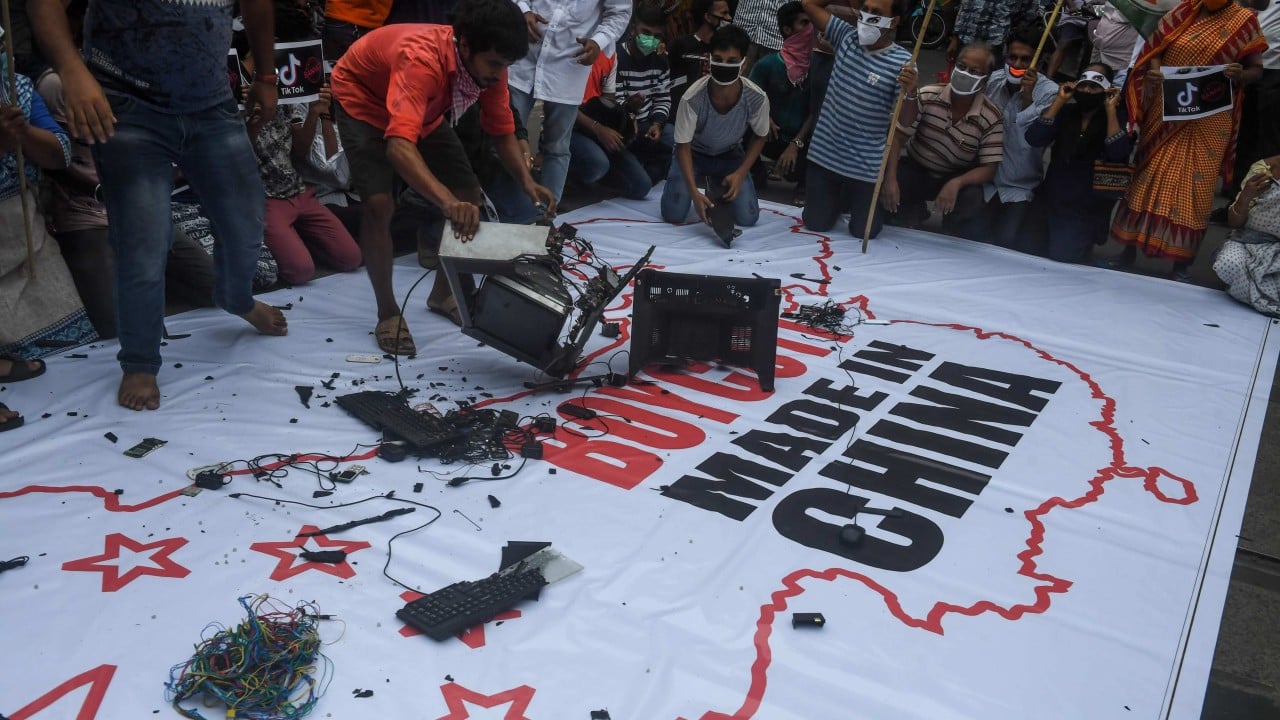
Geopolitical realignment and severe meteorological anomalies operate under identical systemic constraints. Both expose structural vulnerabilities, test the limits of institutional response capacity, and generate immediate shocks that ripple across regional supply chains and diplomatic channels. Recent events spotlighting Beijing's strategic posture toward New Delhi alongside Hong Kong recording its highest temperature since meteorological records began in 1884 offer a clear case study in systemic stress.
Evaluating these developments requires stripping away descriptive journalism in favor of a mechanistic breakdown. Climate anomalies and bilateral diplomatic friction are governed by predictable variables: atmospheric pressure gradients, heat retention dynamics, historical security dilemmas, and economic interdependence.
The Atmospheric Mechanics of Urban Heat Extremes
The recording of 36.9 degrees Celsius in Hong Kong—surpassing historical thresholds established more than a century ago—cannot be understood purely as an isolated weather event. Urban centers function as complex thermodynamic systems influenced by localized microclimates and regional meteorological forces.
The primary driver behind this specific thermal spike involved subsiding air masses on the periphery of Typhoon Dolphin. When a severe tropical storm tracks toward a landfall point, such as its eventual impact on Zhejiang province, descending air currents compress and warm adiabatically. This mechanism suppresses cloud formation, maximizing solar radiation absorption across concrete and asphalt matrices.
Urban Heat Island Amplification
Urban morphology dictates the severity of temperature retention. Cities possess high thermal admittance due to construction materials like steel and reinforced concrete, which store sensible heat during peak daylight hours and release it slowly overnight.
- Surface Albedo Coefficients: Low-albedo urban surfaces absorb up to ninety percent of incoming shortwave radiation, directly converting it into sensible heat fluxes.
- Anthropogenic Heat Rejection: High-density air conditioning usage, vehicular traffic, and industrial output dump massive thermal loads directly into street canyons.
- Ventilation Impairment: High-rise density alters local wind corridors, reducing the velocity of cooling sea breezes and trapping thermal plumes at pedestrian levels.
When regional atmospheric subsidence coincides with these local amplification loops, baseline temperatures push past historical anomalies. The operational consequence is immediate grid strain, increased public health vulnerability, and altered human mobility patterns.
The Geopolitical Cost Function of Bilateral Friction
While meteorological systems respond to thermodynamic laws, international relations respond to strategic incentives and security dilemmas. The ongoing discourse surrounding Beijing's diplomatic engagement with New Delhi highlights the persistence of structural friction in bilateral statecraft.
Diplomatic outreach between major powers is rarely constrained by a lack of intent; it is bounded by structural incentives and asymmetric risk perceptions. Analyzing the deadlock requires mapping the cost function of diplomatic normalization.
The Security Dilemma Matrix
The structural barrier to improving bilateral ties stems from the security dilemma. Measures taken by one state to enhance its territorial defense are inevitably interpreted by the other as offensive posture adjustments.
- The Border Infrastructure Variable: Rapid construction of dual-use roads, airbases, and logistical hubs along contested frontiers creates a permanent state of tactical readiness. Every logistical upgrade lowers the threshold for rapid mobilization, heightening threat perceptions.
- Asymmetric Economic Interdependence: While trade volume remains high, the balance of trade is heavily skewed, leading to domestic political pressures in New Delhi to implement regulatory barriers, investment restrictions, and supply chain decoupling strategies.
- Third-Party Alignment: Strategic convergence with external security architectures introduces an external variable that complicates bilateral trust-building measures.
De-escalation mechanisms require verifiable confidence-building measures that lower the utility of preemptive posture adjustments. Without altering the underlying security matrix, calls to win strategic alignment remain rhetorical rather than operational.
Systemic Intersections and Resource Competition
Both the meteorological stress tests observed in southern China and the diplomatic friction points across the Himalayan frontier share a common underlying denominator: resource scarcity and environmental vulnerability.
Climate volatility acts as a threat multiplier for regional stability. As extreme weather events increase in frequency and intensity, domestic state capacity is increasingly diverted toward disaster mitigation, infrastructure hardening, and emergency response logistics.
The Resource Security Vector
- Transboundary Water Management: Major river systems originating in the Tibetan Plateau feed hundreds of millions of downstream inhabitants. Hydro-infrastructure projects, dam construction, and data-sharing protocols are high-stakes variables in regional security calculations.
- Energy Grid Vulnerabilities: Extreme temperature spikes drive unprecedented peak electricity demand, straining transmission lines and forcing reliance on fossil-fuel backup generation, which in turn accelerates long-term environmental degradation.
- Agricultural Resilience: Extended heatwaves and shifting monsoon patterns threaten staple crop yields, introducing inflationary pressures on food staples and heightening internal security concerns for governance authorities.
Operationalizing Strategic Resilience
Managing systemic shocks, whether atmospheric or geopolitical, requires moving away from reactive crisis management toward structural redundancy. For urban centers experiencing unprecedented thermal loads, resilience relies on cool-roof mandates, expanded urban green infrastructure, and decentralized micro-grids capable of withstanding localized power failures. For bilateral statecraft, reducing friction demands institutionalized communication channels that insulate economic and technical cooperation from tactical border disputes.
To mitigate cascading failures, authorities must shift focus from optimizing for baseline conditions to engineering systems that maintain core functionality under maximum stress parameters.