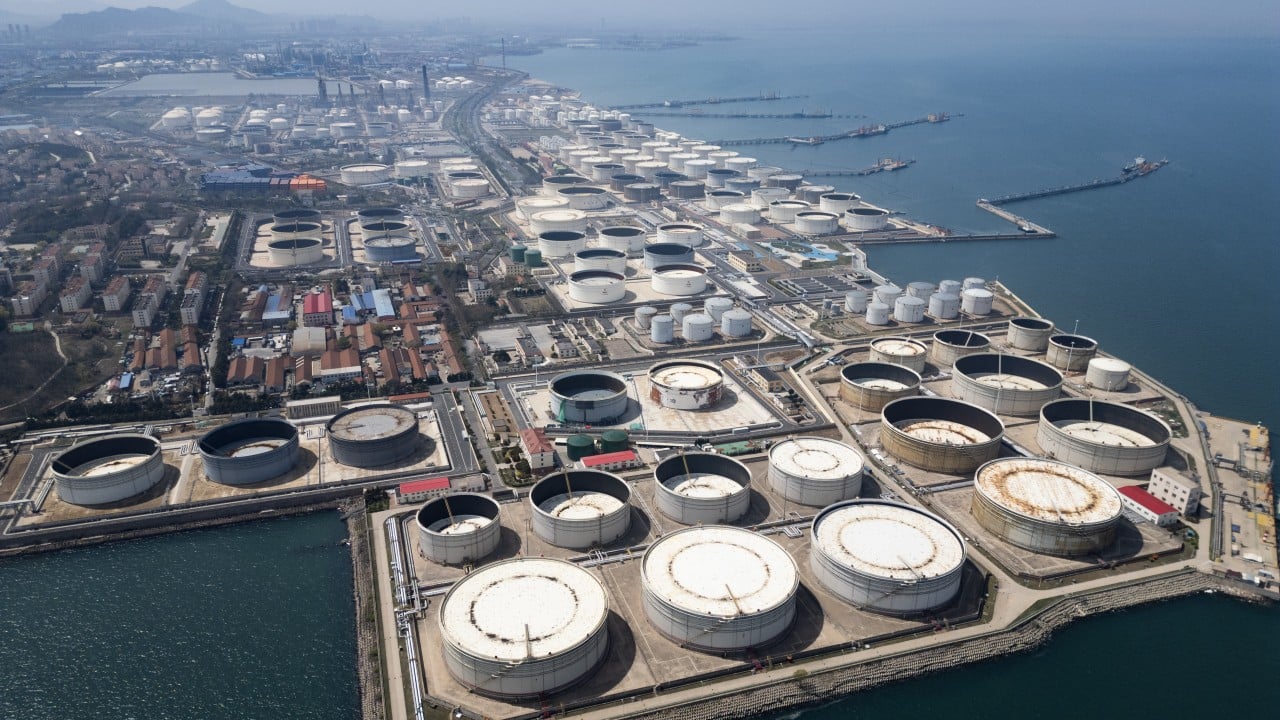
Petroleum refining remains one of the most energetically expensive industrial processes on Earth, consuming approximately ten percent of all primary energy utilized in global manufacturing. The fundamental operation of a conventional refinery relies on thermal distillation columns operating at elevated temperatures, where crude oil is heated past four hundred degrees Celsius to vaporize and separate complex hydrocarbon mixtures based on boiling point differentials. This thermal paradigm requires massive inputs of natural gas or fuel gas, generating enormous greenhouse gas emissions alongside multi-billion-dollar operating expenditures in energy alone. Recent announcements regarding low-energy separation methods developed by Chinese research teams point toward a theoretical reduction in energy consumption of up to ninety percent, challenging the foundational assumptions of petrochemical engineering. Deconstructing this claim requires evaluating the underlying thermodynamic mechanisms, the engineering trade-offs of mass transfer versus heat transfer, and the structural hurdles standing between laboratory-scale chemistry and commercial refinery integration.
To understand the magnitude of a ninety percent energy reduction, one must first dissect the energy balance of a standard atmospheric and vacuum distillation unit. Traditional fractional distillation is inherently inefficient from a thermodynamic perspective. The entropy change associated with mixing thousands of distinct hydrocarbon species requires a theoretical minimum work of separation that is a fraction of the actual thermal energy consumed. The vast majority of input energy is lost through flue gas exhausts, cooling water systems, and imperfect heat integration across the distillation tower network. When researchers claim a ninety percent energy drop, they are targeting the latent heat of vaporization and the sensible heat required to bring heavy crude cuts to operating temperatures.
Alternative separation technologies typically replace thermal phase change with membrane filtration, adsorption, or specialized catalytic extraction processes. In the case of the reported Chinese development, the methodology shifts the separation mechanism away from boiling point stratification toward molecular recognition and selective catalytic sorption at ambient or near-ambient temperatures. By utilizing metal-organic frameworks or nanoporous solid catalysts that interact selectively with specific carbon chain lengths or aromatic structures, the system performs separation through chemical affinity rather than thermal brute force. The thermodynamic advantage is immediate: bypassing the phase change from liquid to vapor eliminates the requirement for the latent heat of vaporization, which accounts for the lion's share of distillation energy consumption.
Yet, shifting from thermal distillation to mass-transfer-driven catalytic separation introduces a distinct set of operational variables and cost functions. The primary metric in industrial chemical processing is space-time yield, which measures the volume of product processed per unit of reactor volume per unit of time. Thermal columns operate with continuous, high-volume throughput because fluid dynamics inside large vertical columns allow tens of thousands of barrels per day to flow unimpeded. Catalytic separation membranes or adsorption beds, conversely, face mass transfer limitations. Diffusion rates through nanoporous structures dictate how quickly hydrocarbon molecules can enter and exit the active sites. If diffusion coefficients are low, the required reactor footprint balloons, multiplying capital expenditure on vessel fabrication, catalyst inventory, and auxiliary pumping equipment.
Another critical dimension is feedstock variability. Crude oil is not a homogenous chemical compound; it is a complex geological mixture containing varying proportions of paraffins, naphthenes, aromatics, sulfur compounds, heavy metals, and organic acids. Traditional thermal distillation handles this variability by adjusting temperature profiles along the distillation column trays. A catalytic separation matrix operating at low temperatures faces severe vulnerability to catalyst poisoning and fouling. Trace elements such as vanadium, nickel, and asphaltenes quickly coat active adsorption sites or plug nanopores, degrading selectivity within hours of continuous operation. Maintaining a ninety percent energy reduction over a multi-year catalyst lifecycle requires regeneration cycles, advanced pretreatment purification, or exceptionally resilient material science that can withstand aggressive feedstocks without thermal degradation.
The economic implications of this technological shift ripple through the entire petrochemical value chain. Refining margins are notoriously tight, driven by the crack spread—the price differential between input crude oil and output refined products. Energy costs represent the single largest variable operating expense for refinery operators. A ninety percent compression in energy requirements transforms the unit economics of processing heavy, sour crude grades, which traditionally require severe hydrotreating and intense thermal cracking to yield high-value distillates. Refineries situated in regions with high energy prices or stringent carbon taxes would experience an immediate expansion in operating margins, fundamentally altering global trade flows of refined fuels and petrochemical feedstocks.
However, retrofitting existing refining infrastructure presents a staggering logistical barrier. Modern refineries are integrated complexes where atmospheric distillation units feed downstream catalytic crackers, hydrotreaters, alkylation units, and reforming units in a continuous, pressure-balanced loop. Inserting a low-temperature catalytic separation unit upstream requires redesigning the entire thermal integration network, known as the pinch analysis network, which matches hot product streams against cold incoming crude feeds to maximize internal heat recovery. If a new method removes the heat from the process, the downstream units lose their thermal integration inputs, necessitating auxiliary heating systems that could inadvertently offset the energy savings achieved at the primary separation stage.
Evaluating the viability of this breakthrough requires examining the scale-up trajectory from bench-scale reactors to pilot plants and finally to industrial mega-units. Laboratory experiments typically operate with synthetic model mixtures or highly purified single-source crudes under idealized pressure and temperature conditions. Industrial implementation demands sustained operation under fluctuating feed compositions, variable ambient temperatures, and continuous mechanical stress. The engineering hurdles involve mitigating pressure drops across dense catalytic beds, preventing channeling within large-diameter reactors, and developing continuous regeneration loops for spent catalytic media without interrupting the continuous flow of millions of gallons of crude oil daily.
The chemical engineering community must also scrutinize the net energy analysis across the entire lifecycle of the new process. Producing advanced nanoporous materials, metal-organic frameworks, or specialized catalysts often demands energy-intensive synthesis routes, rare transition metals, and hazardous organic solvents. If the embodied energy in manufacturing and frequently replacing the catalytic media exceeds the energy saved during the operational phase of refining, the net environmental and economic benefit evaporates. A rigorous life-cycle assessment must quantify manufacturing footprints, solvent recovery rates, and end-of-life recycling economics to validate the sustainability claims of any novel refining technique.
Capital allocation strategies within major energy corporations will shift in response to these technological pressures. Traditional capital expenditure cycles in the refining sector focus on incremental efficiency gains, reliability maintenance, and compliance upgrades for sulfur limits and emissions controls. Adopting a radical separation paradigm requires high-risk capital deployment into unproven commercial-scale units. Risk-averse operators typically wait for pioneer plants to absorb the operational failures, feedstock mismatch issues, and mechanical teething problems inherent in scaling laboratory chemistry to industrial throughputs. Consequently, the commercial velocity of this technology will depend heavily on state-backed pilot projects in regions where national energy security and carbon reduction mandates supersede standard corporate risk thresholds.
The strategic imperative for incumbent refiners involves building internal competencies in advanced materials science and non-thermal separation physics before commercial breakthroughs render existing distillation assets obsolete. Operators must establish monitoring frameworks to track the maturation of selective adsorption and membrane-based fractionation pilot plants. Engineering teams should model the localized thermal integration impacts of removing high-temperature distillation steps from their specific refinery configurations, identifying pinch-point failures before commercial deployment occurs. Investment portfolios must balance near-term reliability optimization of traditional thermal units with long-term option value in advanced separation technology, ensuring structural resilience against a shifting technological baseline.