Salt.
That is the first thing you taste when the world ends. Not fear, though fear is a cold weight settling low in the gut. Not panic, which burns too hot to last. Just salt, caked on lips cracked open by the sun, crusting in eyelashes, stinging every microscopic tear in skin that has forgotten what shade feels like. For an alternative perspective, see: this related article.
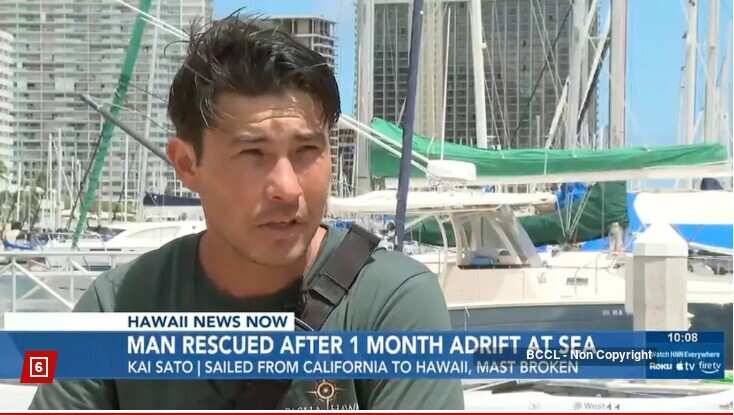
Kai Sato knew that taste intimately.
For seven hundred and twenty hours, the horizon had been nothing more than an unyielding, cruel circle. Water below. Sky above. Nothing in between. When a solo sailing journey transforms into a struggle for sheer existence, the mathematics of survival become terrifyingly simple. Water runs out first. Then hope. Then the fragile illusion that human beings are meant to conquer the elements rather than merely endure them. Similar analysis on this matter has been published by The Guardian.
Consider what happens to a mind when the calendar stops turning.
In the beginning, there is action. There is the frantic patching of a compromised hull, the desperate scanning of a blank radar screen, the shouting into a radio that crackles back only with static hiss. But radios die. Batteries fade to black. And silence rushes in to fill the void.
Kai learned the rhythm of the ocean not as a sailor charting a course, but as a creature hunted by time. On day five, the remaining fresh water was rationed into thimblefuls. By day twelve, the rain became a phantom torment—clouds would build on the edge of vision, heavy and bruised with promise, only to dissolve into empty air before a single drop hit the deck.
Hunger is a strange adversary. It screams at first, clawing at the stomach walls with sharp fingers. Then, it grows quiet. It sits in the corner like an unwanted guest, dulling the thoughts, turning the limbs to lead, and convincing the brain that sleeping is far more interesting than waking. On scraps of dried provisions salvaged from the wreckage, days blurred together until morning and evening were marked only by the brutal shift of light across the deck.
Yet, out there in the immense, indifferent blue, human resilience defies logic.
We forget how stubborn we are. We build our modern lives around comfort, shielding ourselves from the cold, the heat, the dark, and the quiet. We think we are fragile. But strip away the walls, the screens, the safety nets, and something ancient wakes up. A primal spark takes the wheel.
Kai watched the albatrosses wheeling overhead. They did not fight the wind; they rode it. And somewhere between the twentieth and twenty-fifth day, drifting aimlessly with the currents of the open Pacific, survival stopped being a desperate fight and became a quiet, stubborn rhythm. Breathe in. Breathe out. Keep the remaining scraps dry. Watch the horizon.
Always watch the horizon.
Because the ocean is vast, but it is not entirely empty.
On the thirtieth day, the monotony fractured.
It did not start with a roar. It started with a shadow. A mountain of steel moving through the water, throwing a wake that made the tiny remnants of the sailboat dance like a leaf. A container ship. To a man floating on a splinter of wood, a modern cargo vessel is not just a mode of transport; it is a floating island, a cathedral of civilization, a god descending from the machine.
Imagine standing on a sinking stage while a towering wall of iron approaches.
The crew of the massive vessel spotted the erratic glint of a signaling mirror—or perhaps it was just luck, that strange alignment of fate where two specks in a trillion gallons of water decide to cross paths. They altered course. They dropped ladders.
And when calloused hands reached down to haul Kai over the rail, the transition from oblivion back to humanity was jarring. The hum of massive diesel engines. The smell of hot food, coffee, and oil. Voices speaking in languages he hadn't heard in a month.
He didn't weep right away. The tears came later, in the quiet safety of a bunk, when the body finally understood that it no longer had to fight to stay afloat.
We spend our days worrying about deadlines, traffic, and the minor frictions of civilized life. We build fortresses of certainty around ourselves. But out there, past the shipping lanes, past the safety of the shore, the world remains wild, ancient, and indifferent.
Kai Sato survived thirty days on scraps because he refused to let the sea win. And as the container ship carried him toward a harbor he had almost stopped believing in, the wake stretched out behind them, erasing the path they had carved through the deep, silent water.


