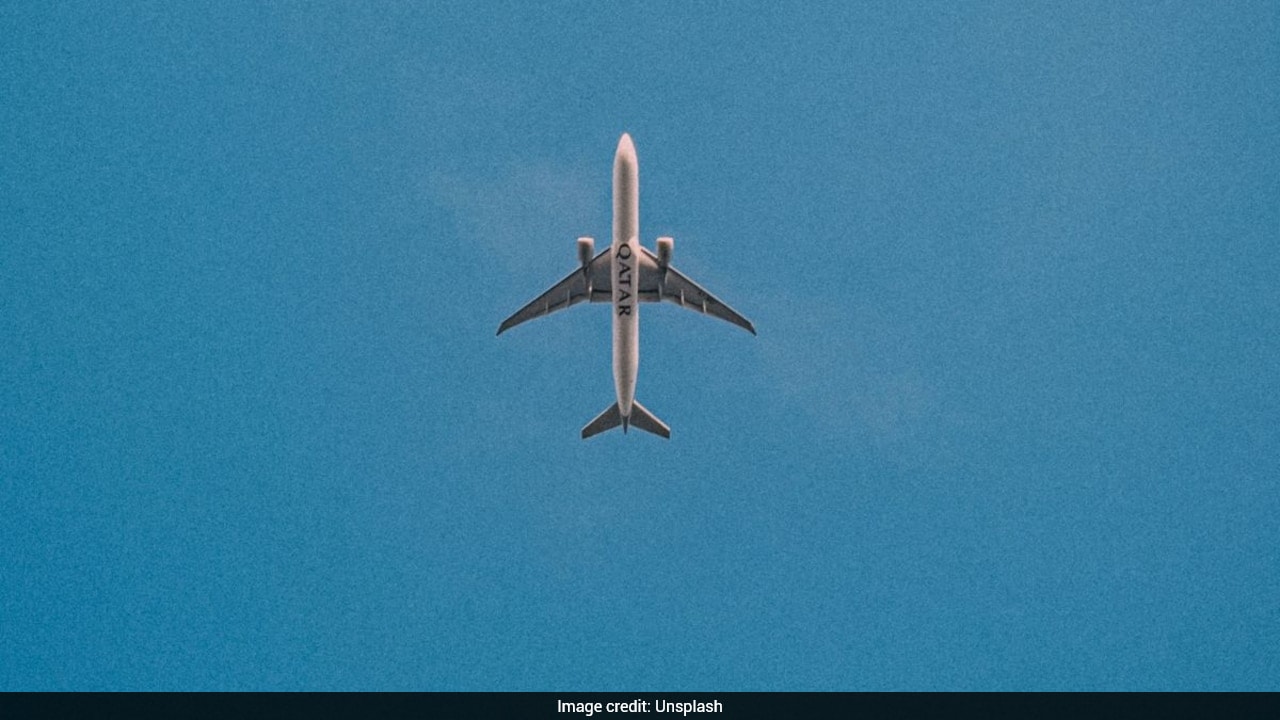
The cabin air always smells slightly of old carpet, ozone, and recycled breath. It is a specific kind of atmospheric pressure that flattens your ears and dulls your senses, turning a flight across continents into a long, suspended dream. People sleep with their mouths open. Others watch silent movies on tiny screens, headphones glowing in the dim blue wash of the cabin.
Then, the world breaks. Don't forget to check out our previous post on this related article.
It does not happen with a cinematic explosion or the theatrical screech of metal. It happens in a fraction of a second when the ordinary hum of the jet engines is punctured by a human voice shouting something that instantly strips the oxygen out of the aisle.
On a routine flight from Melbourne to Doha, two passengers decided to turn a confined cylinder flying at high altitude into a theater of terror. They claimed they had a gun. To read more about the background here, Travel + Leisure offers an excellent summary.
High above the clouds, there is no exit. There is no shoulder to pull over onto. There are only metal walls, narrow corridors, and the shared, terrifying realization that everyone on board is entirely dependent on the crew and each other. When someone introduces the threat of a firearm into that fragile ecosystem, the psychological gravity of the cabin shifts instantly.
Fear is not a clean emotion. It tastes like copper and cold sweat. It makes your fingers twitch and your heart hammer against your ribs like a trapped bird. In the cramped economy rows, passengers who moments before were arguing over armrests or trying to adjust an uncomfortable pillow found themselves frozen. Every eye snapped toward the source of the noise.
Flight attendants are trained for turbulence, for medical emergencies, for difficult travelers who have had one too many small bottles of Chardonnay. They are not security guards, yet in moments like this, they become the thin, brave line protecting three hundred strangers from catastrophe. With practiced calm masking whatever adrenaline was flooding their own veins, they moved toward the threat.
Restraints came out. Heavy, nylon zip-ties or specialized cuffs designed for the worst-case scenario.
The struggle was brief, visceral, and terrifyingly real. To be handcuffed inside an airplane cabin is a total surrender of dignity, but it is also a necessary shield for the collective safety of the flight. The two individuals who had claimed to possess a weapon found themselves subdued, pinned, and neutralized by a crew refusing to let panic win.
But the danger did not vanish the moment the click of the cuffs echoed through the aisle.
The remaining hours of the flight crawled by in a state of hyper-vigilant suspended animation. Every rustle of a jacket, every movement in the overhead bins, every sudden shift in the engine pitch felt loaded with menace. Passengers sat rigidly upright, staring straight ahead, whispering prayers or counting down the minutes on their watches.
When an aircraft carrying a security threat touches down, it does not pull casually up to a normal gate. It is directed to a remote, isolated tarmac.
Suddenly, the windows framed an intimidating welcoming committee. Flashing red and blue lights fractured the darkness. Heavily armed federal police and tactical response teams surrounded the fuselage, their silhouettes sharp against the tarmac floodlights. The door opened, and the cold night air rushed in, carrying with it the undeniable reality of law enforcement taking control.
The two passengers were led off in chains, their brief, chaotic disruption culminating in federal detention, facing severe prison sentences and the permanent shattering of their lives.
Back inside the cabin, the tension finally began to thaw, replaced by an exhausted, trembling relief. People gathered their carry-on bags with shaking hands, eager to escape the aluminum tube that had nearly become a nightmare.
We board planes seeking connection, adventure, or homecoming. We put our lives entirely in the hands of strangers, trusting the invisible architecture of aviation security and human decency. When someone shatters that trust at thirty thousand feet, they remind us how fragile our modern world really is—and how fiercely we must protect the peace of the skies.