The cabin air always tastes like nothing. It is recycled, pressurized, stripped of moisture, and blown over the faces of hundreds of strangers who are hurtling through the stratosphere at six hundred miles per hour. In that thin, cold medium, everything feels slightly muffled. Time stretches. Tempers fray at the edges, worn down by the hum of the turbines and the low-grade anxiety of suspension.
Then, the cockpit door opens.
We tend to think of the flight deck as a sanctuary of absolute calm. Behind that reinforced steel barrier, shielded from the crying infants, the delayed luggage disputes, and the endless shuffling of feet in the aisle, sits a pair of demigods. They wear crisp epaulets. They speak in measured, deliberate cadences over the intercom. They have checklists for fire, for ice, for engine failure, for the sudden and terrifying evacuation of air from the cabin.
What they do not have a checklist for is human rage.
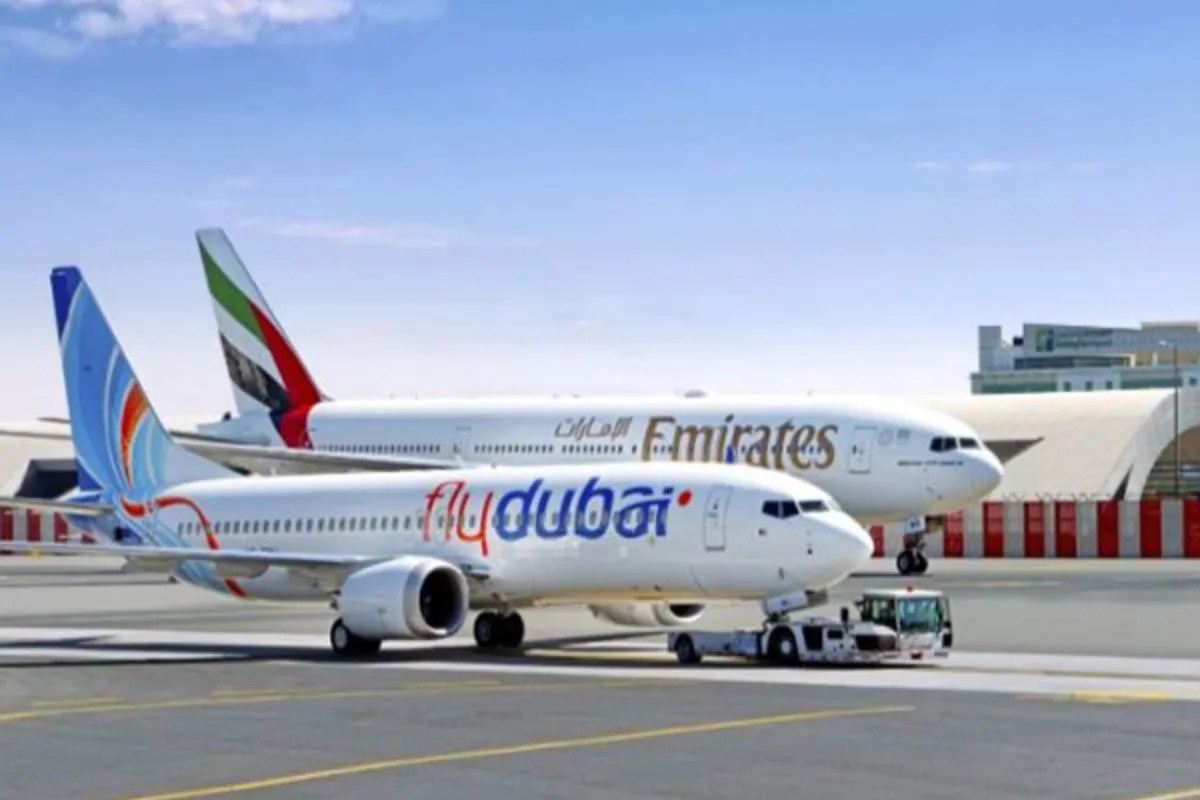
When reports surfaced that a flydubai flight had descended into a violent, closed-door altercation between its crew, and that sources identified the targeted pilot as an Indian national, the aviation world shuddered. Not because fights in the air are entirely unheard of—confinement does strange things to the human psyche—but because of where the violence took place. It happened inside the sacred geometry of the flight deck.
Consider the mathematics of trust. When you board a commercial airliner, you hand over your life to two people you will never meet. You strap yourself into a cloth seat, pull a flimsy nylon belt across your lap, and surrender your mortality to a closed room fifty feet above the clouds. You trust that whoever is sitting in the left-hand seat has managed their grief, their exhaustion, their prejudices, and their temper before pushing the throttle forward.
That trust is a fragile architecture.
In the wake of the incident, the headlines focused on nationalities, diplomatic whispers, and corporate damage control. Sources whispered to journalists. Authorities launched investigations. The bureaucratic machinery of international aviation law ground into motion, eager to categorize, penalize, and file away the anomaly.
Yet, the cold facts miss the heartbeat of the tragedy.
Imagine sitting in that seat. The pre-flight briefing is over. The checklists are ticked. The transponder is set. The air traffic controller's voice crackles through the headset like an old friend with a radio. And then, the space shrinks. Not the physical space—the cockpit of a modern jetliner is notoriously cramped, a tangle of screens, yokes, switches, and circuit breakers—but the psychological space.
Fatigue in modern aviation is a silent predator. Pilots cross time zones like breadcrumbs, bleeding sleep hour by hour until their circadian rhythms are entirely shattered. They fly red-eyes through electrical storms, land on rain-slicked tarmac in the dead of night, and face corporate pressures to turn aircraft around with ruthless efficiency. They are expected to be stoic machines in uniform.
But uniforms do not neutralize adrenaline.
When an argument escalates inside a cockpit, it is not merely a workplace dispute. It is a catastrophic failure of the cockpit resource management system, the very philosophy designed to ensure that ego never overrides safety. CRM was born from disaster. It teaches that junior officers must speak up, that captains must listen, and that hierarchy must never compromise the mission. It is a language of extreme cooperation.
When that language breaks down into blows, the system has ruptured at its most vital seam.
The revelation that the pilot involved was of Indian origin triggered a specific kind of media murmur. South Asian pilots have long been the backbone of the booming Middle Eastern aviation corridors, flying millions of passengers across regional divides with quiet competence. They train in rigorous academies, log thousands of hours in command, and navigate complex international airspace systems every single day. To isolate one individual's breakdown and attach it to a flag or a nationality is a lazy reflex. It reduces a deeply human psychological fracture to a geopolitical talking point.
The truth is much simpler, and much more terrifying.
Humans are not built to live in the sky. We are terrestrial creatures, tethered to gravity, dirt, and open horizons. When we force ourselves into pressurized tubes and hurl ourselves across continents, we rely entirely on our capacity to suppress our worst impulses. We rely on our ability to look a colleague in the eye, swallow our pride, and remember that five hundred lives are riding on our collective sanity.
Most days, it works. The engines roar, the wheels leave the tarmac, and the earth falls away into a beautiful, abstract quilt of fields and rivers. The pilots do their work in silence. The passengers drift off to sleep against scratchy pillows.
Yet, every now and then, the pressure vessel cracks.
We are left staring at the aftermath, wondering how the people we trust with our lives could possibly lose control. We want simple answers. We want villains and heroes, clear boundaries and easy solutions.
There are none. There is only the recognition that the sky does not forgive our flaws. It merely holds us up until we are forced to face them.