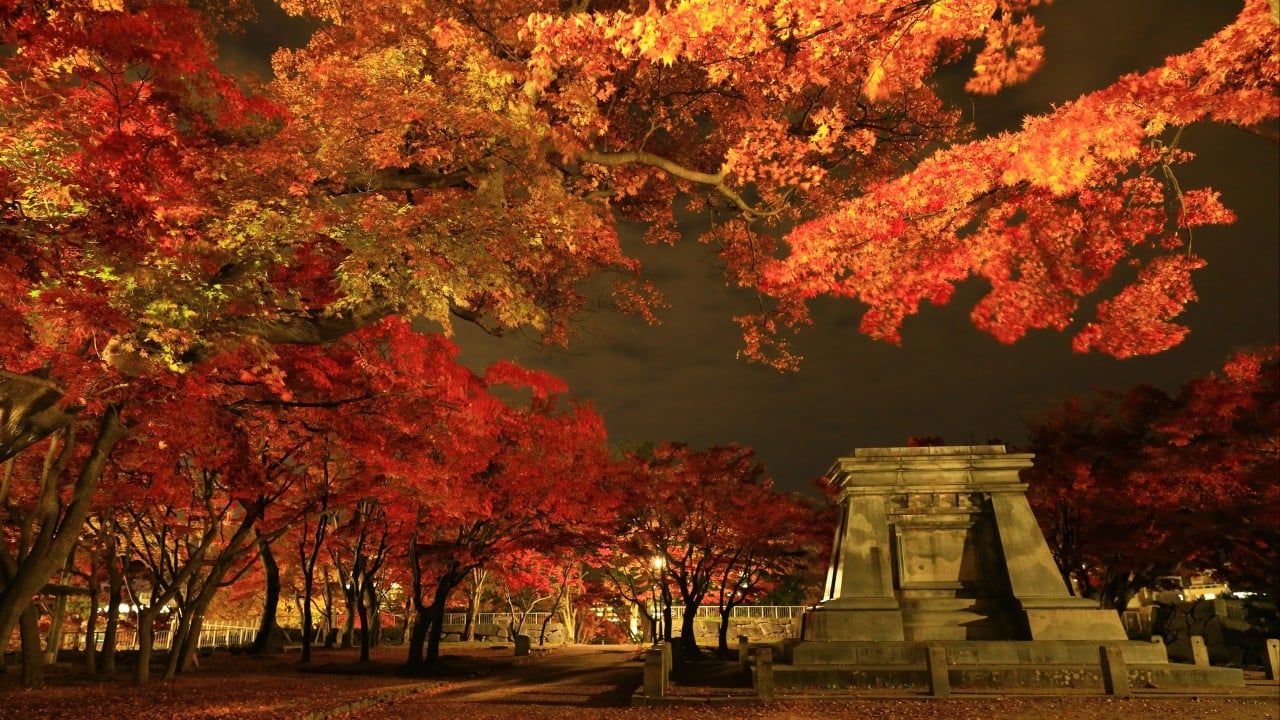
Millions of visitors flood Tokyo, Kyoto, and Osaka every year, yet northern Honshu remains blissfully quiet. If you look at standard travel itineraries, the Tohoku region barely registers. Why does this sprawling area of six prefectures stay a tourist outlier while other hotspots burst at the seams?
The answer comes down to logistics, historical awareness, and the sheer momentum of the famous Golden Route. Most first-time travelers stick to what they know. They want bullet trains that require zero planning, English signs on every corner, and instant name recognition. Tohoku demands a bit more effort. It spans massive distances, local bus schedules require patience, and the dialect can catch you off guard if you only studied textbook Japanese.
The Logistics Barrier That Keeps Crowds Away
You can board a shinkansen in Tokyo and reach Sendai in under two hours. That part is easy. The complication starts when you try to venture deeper into places like Aomori, Akita, or Iwate.
Public transit networks in rural Japan don't run every five minutes like the Yamanote Line. If you miss a bus to a remote mountain hot spring in the mountains, you might wait hours for the next one. Renting a car solves this problem instantly, but many international visitors feel intimidated by driving on the left side of the road or handling Japanese GPS navigation systems. Because of this friction, casual travelers default back to urban convenience.
The Long Shadow of 2011
Fukushima prefecture sits inside the Tohoku region. Over a decade after the 2011 Great East Japan Earthquake, tsunami, and nuclear accident, a persistent misperception lingers among uninformed travelers.
Parts of Fukushima experienced severe contamination, but the vast majority of the region—and neighboring prefectures like Yamagata and Iwate—are entirely safe and fully recovered. Tourism numbers have rebounded with millions of domestic travelers and steady regional campaigns, but international tourists still harbor unnecessary anxieties. Misinformation travels fast on the internet, and a vague sense of caution keeps many foreign visitors steering clear of an entire geographical zone.
What You Miss By Skipping the North
If you avoid the crowds, you unlock a side of Japan that mass tourism has largely eroded. This area operates on a different rhythm.
- Atmospheric Onsen Towns: Places like Ginzan Onsen feature wooden ryokan lining a river, glowing with gas lanterns at night that feel straight out of a Ghibli film.
- Wild Landscapes: Lake Towada and the Oirase Gorge offer pristine wilderness that puts urban parks to shame.
- Unfiltered Culture: Summer festivals like Aomori's Nebuta Matsuri deliver massive energy without the suffocating human gridlock of Kyoto.
Food here tells a completely different story, too. You get fresh seafood from the Sanriku Coast, hearty noodle bowls like Morioka reimen, and local specialties like Sendai gyutan grilled over charcoal.
How to Plan a Trip That Actually Works
Stop treating Japan as a single homogeneous destination. If you want to experience Tohoku without losing your mind over transit maps, rent a car from a regional hub like Sendai or Morioka. Give yourself at least five days to explore two prefectures instead of trying to rush through all six.
Embrace the slower pace. Learn a few basic phrases that go beyond standard Tokyo polite speech. When you sit down in a tiny local izakaya where nobody speaks English, you will realize why keeping this region off the mainstream radar is a blessing.


