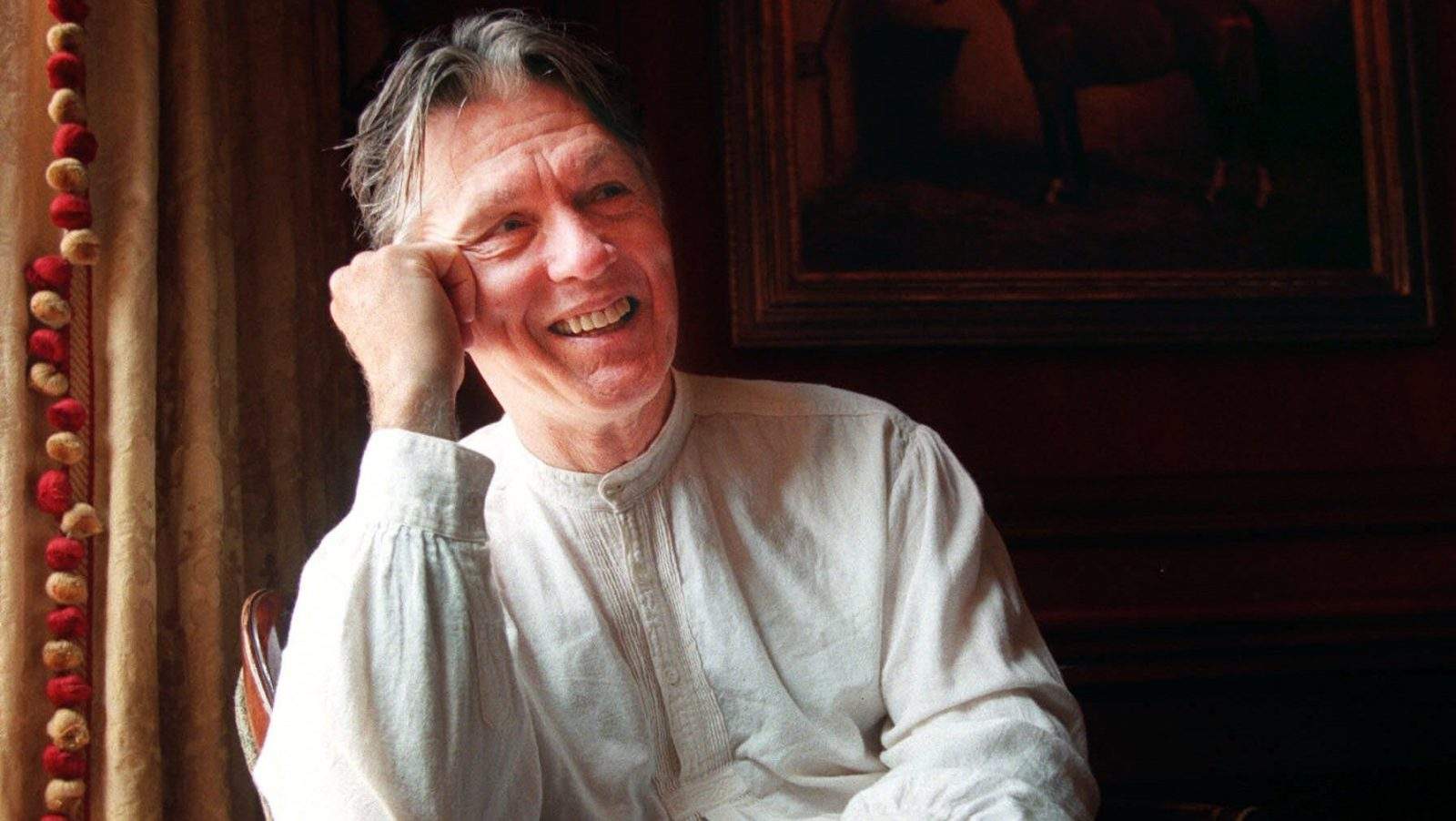
Tom Skerritt died on October 21, 2026, at his home in Seattle at age 93, leaving behind over 170 screen credits and a body of work that shaped American film and television for more than half a century. When most obituaries sum up Tom Skerritt, they roll out the same three titles right away. Picket Fences. Alien. Top Gun. Honestly, that shorthand gets the basic facts right, yet it flattens a career built on quiet tension, dry humor, and surprising detours.
I have spent years watching how reliable mid-century character actors anchor massive studio hits without stealing every scene for cheap applause. Skerritt had that rare gift. He could stand in a flight suit or a sheriff's uniform and project real weight, while still leaving room for doubt, weariness, or a sudden flash of warmth. His family confirmed he passed away from natural causes, closing a life that stretched from 1950s Air Force service and theater stages in Seattle to prestige television, horror classics, and veterans' advocacy. Recently making news recently: The Six-Decade Career Arc of Tom Skerritt.
How Tom Skerritt Became Hollywood's Most Trusted Steady Hand
Skerritt didn't start out chasing a traditional Hollywood leading-man image. Born Thomas Roy Skerritt in Detroit in August 1933, he served four years in the United States Air Force from 1951 to 1955 before studying at UCLA, where he initially looked toward directing rather than spending decades in front of the camera. Being spotted in a stage production of The Rainmaker nudged him onto screen, and he left UCLA without a degree to pursue acting full time. Further information into this topic are covered by Bloomberg.
His early film debut came in the 1962 drama War Hunt alongside Robert Redford, followed by steady television work through the 1960s and 1970s. Breaking through in Robert Altman's 1970 comedy M*A*S*H as Captain Augustus Bedford "Duke" Forrest gave him a sharp, rebellious edge early on. Later in the decade, co-starring in Herbert Ross's The Turning Point (1977) earned him a National Board of Review award for Best Supporting Actor and helped steady his momentum in movies.
What separated Skerritt from flashier stars wasn't ego. It was believability. When he played a commander, a doctor, a father, or a lawman, you didn't feel like you were watching a speech. You felt like you were watching someone who had actually carried heavy decisions before the camera turned on. As Skerritt himself once noted when reflecting on how acting kept pulling him away from directing, roles kept arriving, family responsibilities grew, and he ended up with no regrets about the path his career took.
Why His Roles in Alien, Top Gun, and Picket Fences Still Hit Hard
People often assume an actor famous for Alien and Top Gun built a brand purely around bravado. That's a mistake. Look closely at what Skerritt actually did in those movies, and you see something much more human.
In Ridley Scott's Alien (1979), Skerritt plays Captain Dallas of the commercial towing vessel Nostromo. Dallas isn't a space-marine caricature. He's a tired crew boss trying to keep people alive in a claustrophobic metal maze when everything goes sideways. His vulnerability—and the dread of crawling into the air ducts—makes the horror feel grounded rather than campy.
Seven years later, in Tony Scott's Top Gun (1986), Skerritt plays Commander Mike "Viper" Metcalf. Viper delivers one of the film's most famous lines about the top one percent of Naval aviators and combat leaving no points for second place, yet he also acts as the cool-headed mentor who understands grief, history, and restraint. He doesn't need to yell to command the room.
Then came Picket Fences from 1992 to 1996. Created by David E. Kelley, the CBS series blended small-town drama, courtroom clashes, and dark humor in Rome, Wisconsin. Playing Sheriff Jimmy Brock—a decent man navigating messy family life and bizarre local cases alongside co-star Kathy Baker—earned Skerritt a Primetime Emmy Award for Outstanding Lead Actor in a Drama Series. In fact, Picket Fences won 14 Emmy Awards across its four-season run, and Skerritt's grounded center held its wild tonal swings together.
The Deeper Filmography Most Casual Viewers Overlook
If you stop at those three titles, you miss half the fun of revisiting his catalog. Skerritt moved across genres with zero snobbery:
- Psychological and supernatural thrillers: He appeared in David Cronenberg's The Dead Zone (1983) as Sheriff George Bannerman and later joined Robert Zemeckis's Contact (1997).
- Ensemble dramas and counterculture: His credits include Ice Castles (1978), Up in Smoke (1978), Steel Magnolias (1989) with Dolly Parton and Julia Roberts, and Robert Redford's A River Runs Through It (1992) alongside Brad Pitt.
- Stage, voice work, and later reunions: He narrated Our Town at Seattle's Intiman Theatre in 2004, made his Broadway debut in A Time to Kill in 2013, voiced Clay Allison in the 2005 video game Gun, and reunited with Alien co-star Harry Dean Stanton in Lucky (2017).
Veterans Advocacy and Life Beyond the Screen
A lot of celebrity tributes skip what an actor did when cameras weren't rolling. Skerritt co-founded the Red Badge Project, an initiative focused on helping veterans process post-traumatic stress disorder through storytelling. Given his own four years in the Air Force early in adulthood, that work wasn't a publicity stunt—it connected directly to his background and his family's emphasis on service, curiosity, and helping people find their voices.
He also made his home in Seattle, where he founded and served as chairman of Heyou Media, a digital media company. He was survived by his third wife, Julie Tokashiki, along with his five children, five grandchildren, and two great-grandchildren. Colleagues and fans alike remembered him as generous and gentle; following news of his passing, Steel Magnolias co-star Julia Roberts called him "a shining light of a gentle man".
Common Misconceptions About Tom Skerritt's Legacy
Whenever a veteran actor passes away at 93, quick internet recaps tend to repeat a few half-truths. First, people sometimes talk as if he was strictly a television actor who occasionally did movies, or vice versa. In reality, he worked steadily across both film and TV for decades, racking up more than 170 screen credits.
Second, viewers sometimes assume he only played stern authority figures. While commanders, sheriffs, and fathers were frequent assignments, his early work in M*A*S*H and Up in Smoke, plus his dry humor on Picket Fences and stage appearances, showed plenty of range and comic timing. Third, people sometimes overlook how much of his later life centered on the Pacific Northwest and arts/veteran community work rather than chasing constant Hollywood headlines.
How to Revisit His Best Work Today
If you want to appreciate why Tom Skerritt mattered rather than just reading a headline, skip random clips and watch a few full performances back-to-back:
- Watch Alien and Top Gun together: Pay attention to how Skerritt underplays tension in Alien versus how he projects calm authority in Top Gun.
- Sample Picket Fences: Track down episodes from its 1992–1996 run to see how he balances warmth, moral grit, and absurd small-town subplots as Sheriff Jimmy Brock.
- Explore his quieter dramatic turns: Check out A River Runs Through It or Lucky to see his understated later-career presence alongside fellow screen veterans.
- Look up the Red Badge Project: Learn more about the veteran storytelling initiative he helped build if you want to see how his interest in narrative extended into real-world support for service members.
Tom Skerritt didn't need loud theatrics to leave a mark. He showed up, did honest work, and made every room on screen feel a little more real.