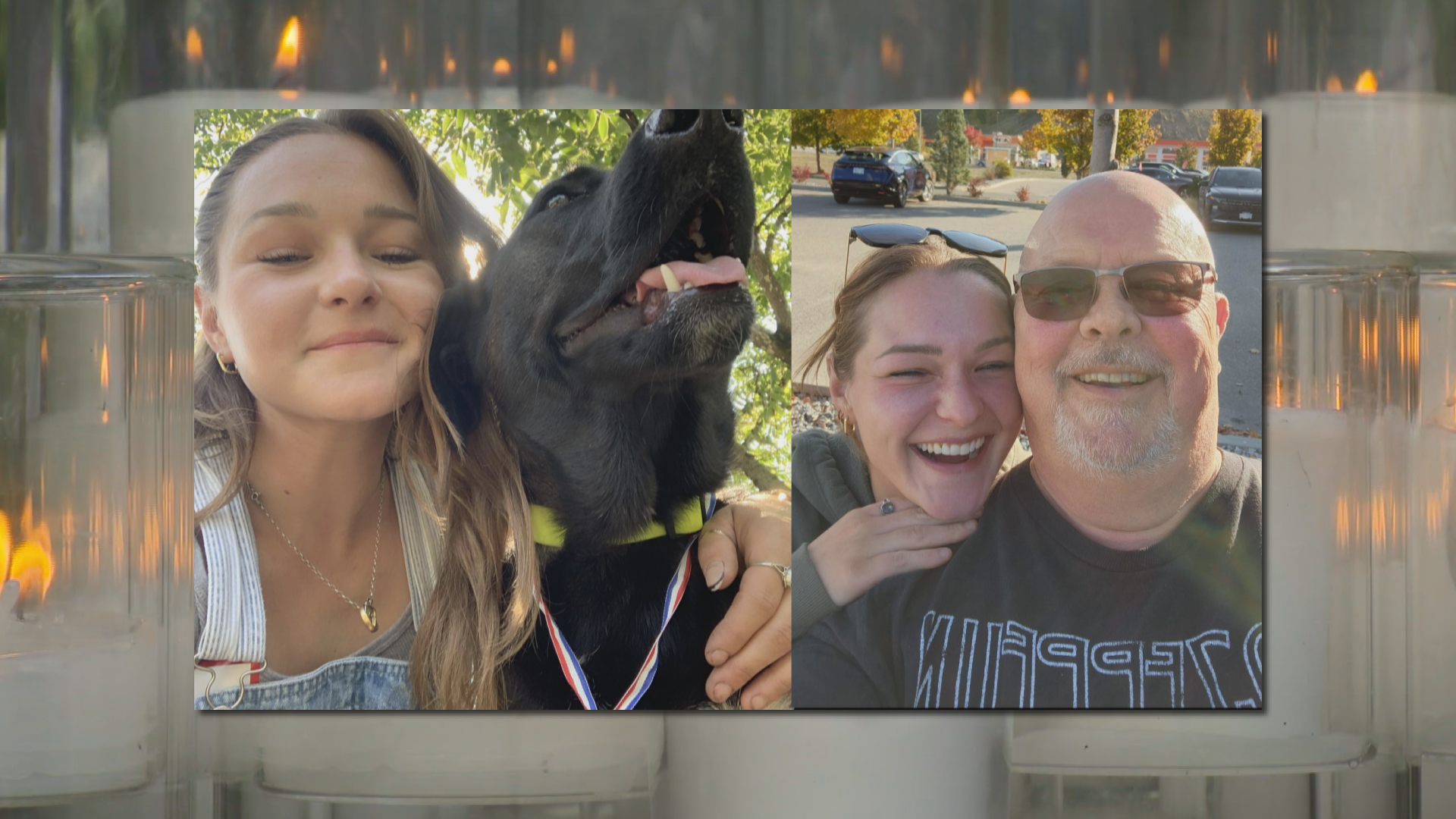
When a high-profile murder trial hits the courtroom, public attention usually locks onto the dramatic moments. People want the shocking testimony, the fiery cross-examinations, and the ultimate verdict. But if you look past the courtroom headlines, the mechanics of how a case is built tell a much more grinding story.
Take the trial of Adam Mann in the killing of 30-year-old Tori Dunn in Surrey, British Columbia. When investigators like Const. Ryan Gerlinski take the stand to walk a jury through the initial crime scene management and evidence collection, you realize how meticulous and unforgiving homicide police work really is. Let's break down what investigators actually face behind the scenes during trials like this, and why the process looks nothing like what you see on television.
The Grinding Reality of Crime Scene Management
Television loves a clean timeline where detectives spot a single clue, run a quick lab test, and crack the case in forty-four minutes. Real life is messier, slower, and bogged down by the sheer volume of physical data.
When Integrated Homicide Investigation Team (IHIT) officers secure a scene, every square inch matters. In the Dunn case, the trial brought forward testimonies detailing how blood-stained items—such as a kitchen knife recovered from a nearby property—were meticulously bagged, tagged, and sent off for DNA analysis.
Officers have to establish an unbroken chain of custody. If a defense lawyer finds even a minor gap in how evidence was handled or logged, they will exploit it. That is why initial crime scene managers spend hours documenting positions, lighting, and environmental conditions. It is tedious work, but it prevents the entire case from collapsing later under cross-examination.
Navigating the Forensic Waiting Game
One major misconception is that forensic results are instant. In reality, prosecutors often present officers and forensic experts weeks or months after the fact because laboratory backlogs are a constant battle.
During the proceedings, jurors heard how forensic teams combed through multiple locations, tracking down DNA profiles that eventually tied key pieces of evidence together—such as the victim's DNA on a blade and the accused's DNA on a handle.
For an investigator on the stand, testifying about forensics means explaining complex biological transfer to ordinary citizens without sounding like a textbook. They have to withstand aggressive questioning designed to plant seeds of reasonable doubt. Did contamination happen? Could the transfer have occurred another way? The investigator's credibility rests entirely on their ability to stay calm, rely strictly on notes, and state facts without letting personal emotion bleed through.
Dealing With Flawed Human Testimony
Forensic evidence is clean, but human testimony is messy. In many trials involving repeat offenders or individuals living transient lifestyles, the courtroom drama escalates when the accused decides to take the stand.
When Adam Mann testified in his own defense, claiming he was homeless and struggling with drug and alcohol use at the time, it forced the Crown prosecutors to systematically dismantle his narrative. Prosecutors called his version vague and improbable, pointing out how surveillance footage placed him right outside Dunn's home at the critical hour.
For the investigators who sat through the grueling legwork of pulling those surveillance clips, tracking down phone records, and mapping out movements, hearing a suspect try to poke holes in the timeline is the ultimate test of patience. The physical evidence—like Dunn's missing phone turning up in a greenspace near the arrest site—has to speak louder than a defendant's desperate explanations.
Why Public Frustration Persists
Beyond the police work and the courtroom tactics, cases like this leave a massive emotional footprint. Communities are often left asking hard questions about the broader judicial framework, especially when cases involve violent repeat offenders. For Tori Dunn's family, sitting through weeks of trial testimony is a painful ordeal, borne only out of a desire to see accountability.
Investigators do their job to lock down the facts, secure the forensic links, and present a airtight file to the Crown. But when the gavel finally comes down on a second-degree murder verdict, it closes a legal chapter while leaving deeper societal wounds wide open. The real takeaway from the stand isn't just how police solve a crime—it is the heavy cost paid by everyone left behind when the system fails to keep them safe in the first place.
Forensic expert testifies at Tori Dunn murder trial
This video provides additional context regarding the forensic expert testimony presented during the trial.