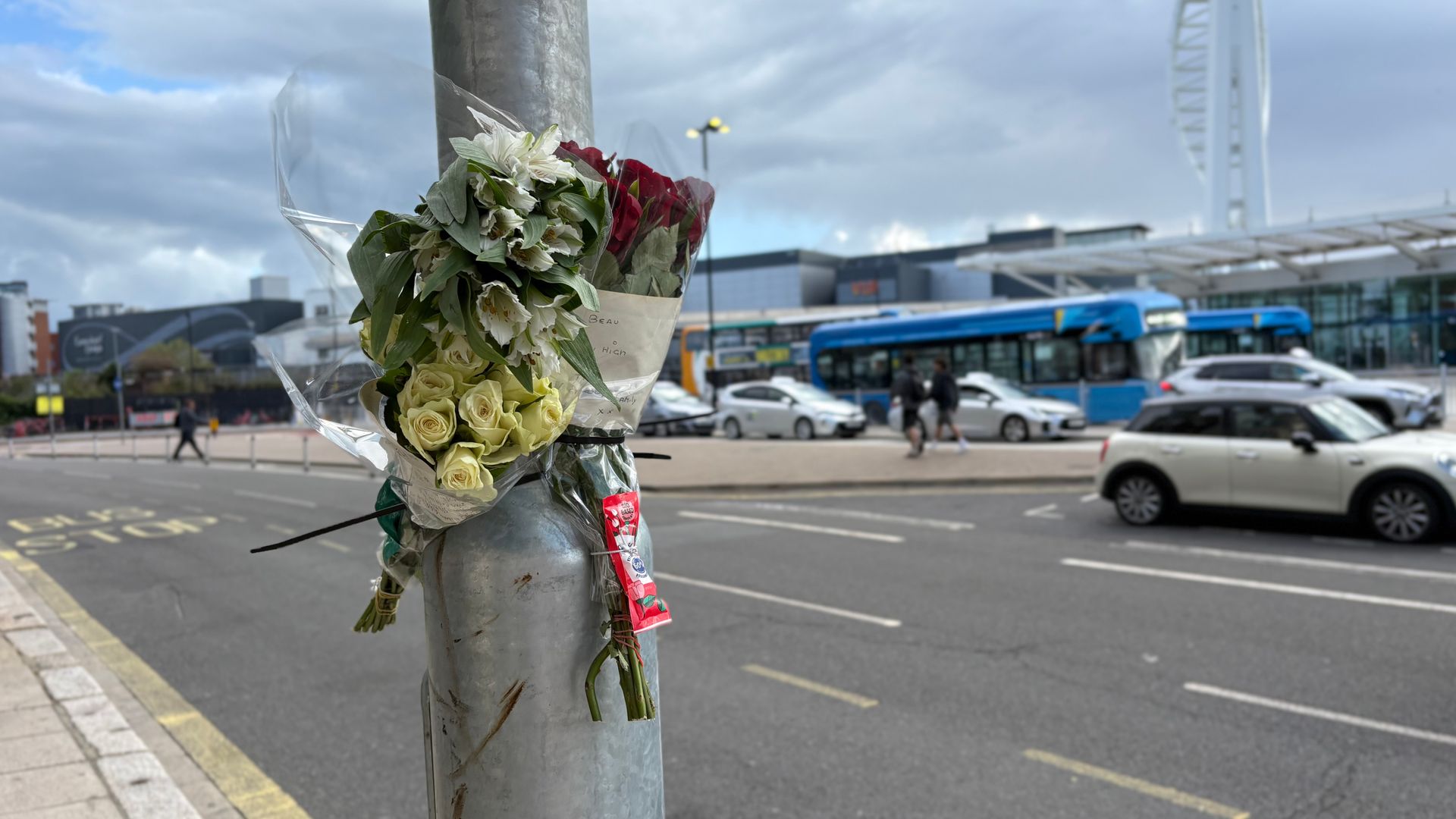
On a Monday afternoon in August, a 14-year-old boy stepped into the bustling transit interchange at The Hard in Portsmouth. Seconds later, an ordinary commute transformed into an irreversible tragedy when he was struck by a public bus. He was rushed to the hospital with catastrophic injuries, but medical teams could not save him. Within hours, the routine machinery of institutional reaction ground into motion. A 39-year-old bus driver found himself in handcuffs, arrested on suspicion of causing serious injury by dangerous driving before being released on police bail.
Headlines across the country reduced the incident to a familiar, tragic formula: driver arrested, family grieving, investigation pending. But looking past the standard police bulletin reveals an entirely different conversation that urban planners, transit executives, and municipal authorities desperately need to have. Pinning the blame solely on the individual behind the wheel is an institutional reflex that masks a much deeper structural failure in how we design our high-density transport interchanges.
The Anatomy of a Transit Zone Trap
Modern public transport interchanges are complex, multi-modal convergence points engineered for maximum throughput rather than human safety. At places like The Hard, heavy buses, pedestrians, cyclists, and cars intersect in tight spatial choreography. Thousands of commuters pass through these zones daily, often distracted, rushed, or navigating confusing pedestrian pathways that change with ongoing municipal updates.
When a collision occurs, the immediate legal and media narrative zeroes in on driver error. Investigators check for fatigue, distraction, or failure to yield. Yet, viewing these incidents purely through a criminal justice lens ignores the physical architecture of the environment. If a transit layout relies entirely on human perfection from drivers navigating massive vehicles through crowds of vulnerable pedestrians, the system is engineered to fail.
Consider the blind spots inherent to modern single-deck and double-deck buses. Pillars, wide frames, high seating positions, and turning radiuses create massive visual obstructions. When pedestrians step off cramped curbs into high-traffic corridors, the margin for error is measured in milliseconds. Expecting a driver to catch every unpredictable movement in a chaotic terminal environment while managing tight timetables is an unreasonable baseline assumption for public safety.
The Burden of the Professional Driver
The arrest of a 39-year-old driver triggers a harrowing personal and professional ordeal, but it also reflects a broader systemic vulnerability. Commercial drivers operate under intense operational pressures. Tight scheduling demands, congested urban road networks, and chronic staffing shortages mean drivers often shoulder immense cognitive fatigue.
In many municipal transit systems, schedules do not adequately account for pedestrian congestion or unexpected delays. When a driver falls behind schedule, the psychological pressure to close the gap mounts. While this does not excuse dangerous operation, it highlights the organizational context in which these drivers work. Shifting the entire moral and legal weight onto a single employee allows municipal operators and transit agencies to dodge uncomfortable questions about fleet management, shift lengths, and infrastructure safety.
When a crash happens in a designated transport hub, investigators must look beyond the individual's logbook. They must examine the corporate culture of the operating company, the adequacy of safety training regarding vulnerable road users, and whether the physical layout of the terminal incentivizes rushed maneuvers.
Redesigning for Survival
We know how to make transport hubs safer, yet cities consistently prioritize vehicle movement over human life. Modern urban design offers proven interventions that cities refuse to implement at scale. Separating heavy vehicles from pedestrian zones using physical grade separations, smart signaling, and low-speed restriction zones can eliminate entire categories of pedestrian-bus collisions.
Furthermore, commercial fleet technology has advanced far beyond basic mirrors and standard windows. Advanced driver-assistance systems, including pedestrian detection sensors, automated emergency braking, and 360-degree camera arrays, should be mandatory on every public transport vehicle operating in high-density urban areas. Relying on analog visibility in the modern era is professional negligence disguised as tradition.
The floral tributes left at The Hard in Portsmouth bear heartbreaking messages from classmates trying to process the sudden loss of a fourteen-year-old friend. Those flowers will eventually wither, but the systemic hazards embedded in our transport infrastructure will remain untouched unless we stop treating these tragedies as isolated anomalies. Until municipal leaders overhaul the dangerous geometry of our transit hubs and take responsibility for the environments they construct, more lives will be lost in the shadow of the station.